Category: Anti-Cancer Foods

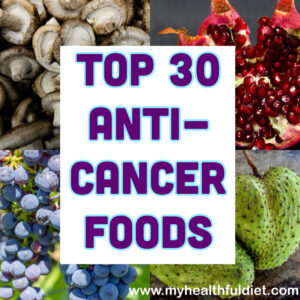
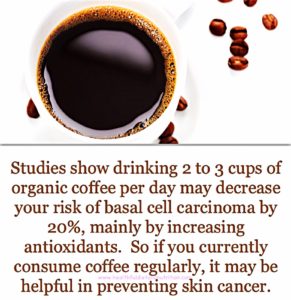
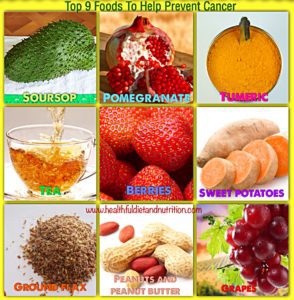
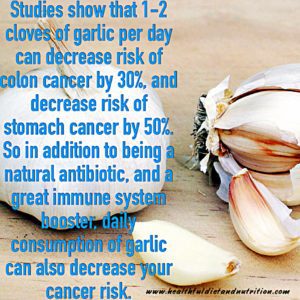
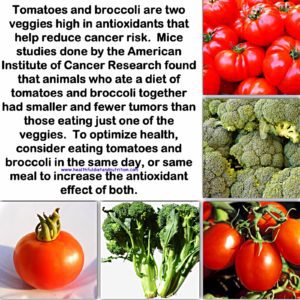
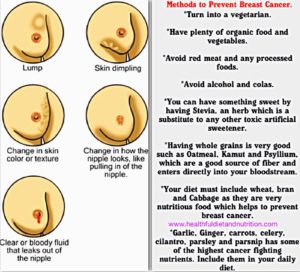
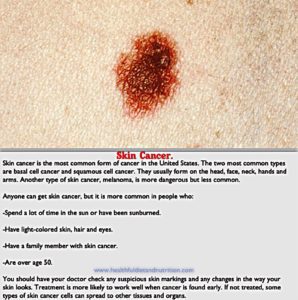
Top 30 Anti-Cancer Foods Research suggests that moderate coffee consumption may be linked to a reduced risk of certain cancers. Studies indicate that coffee is rich in antioxidants and bioactive compounds, which can help protect cells from damage and decrease inflammation. Specifically, evidence points to a potential protective effect against liver, breast, and colorectal cancers. The chlorogenic acids and other polyphenols in coffee may contribute to these benefits. However, it's essential to consume coffee in moderation and consider individual health factors. While coffee may be a part of a cancer-prevention strategy, it should accompany a balanced diet and a healthy lifestyle for optimal protection. Preventing cancer involves adopting a healthy lifestyle and making informed choices. Prioritize a balanced diet rich in fruits, vegetables, whole grains, and lean proteins while limiting processed foods and red meats. Regular physical activity, such as 150 minutes of moderate exercise weekly, is essential for maintaining a healthy weight. Avoid tobacco in all forms and limit alcohol consumption. Protect your skin from UV rays by wearing sunscreen and avoiding tanning beds. Stay up to date with vaccinations, like HPV and hepatitis B, and participate in regular screenings appropriate for your age and risk factors. A proactive approach can significantly reduce cancer risk. Garlic has long been praised for its potential health benefits, including its ability to reduce cancer risk. Rich in sulfur compounds, particularly allicin, garlic exhibits anticancer properties by enhancing immune function, inhibiting tumor growth, and reducing inflammation. Studies suggest that regular garlic consumption may lower the risk of various cancers, including stomach, colorectal, and prostate cancer. Its antioxidant properties help neutralize free radicals, potentially preventing cellular damage. Incorporating garlic into your diet, whether in raw or cooked form, may offer protective effects. However, it's essential to maintain a balanced diet and healthy lifestyle for comprehensive cancer risk reduction. Eating tomatoes and broccoli together may help reduce cancer risk. Both vegetables are rich in antioxidants and phytochemicals that provide protective effects. Tomatoes contain lycopene, known for its potential to lower the risk of prostate cancer, while broccoli is high in sulforaphane, which may help combat various cancers by aiding detoxification processes and reducing inflammation. The combination of these nutrients can enhance the body’s ability to fight cancer. Incorporating them into meals—such as a salad or stir-fry—can be a delicious and health-promoting choice. Regular consumption of these foods is a proactive approach to overall health and cancer prevention. Cancer prevention involves a combination of lifestyle choices and awareness. Key strategies include maintaining a healthy diet rich in fruits, vegetables, and whole grains, while limiting processed foods and red meats. Regular physical activity and maintaining a healthy weight significantly reduce risk. Avoiding tobacco and limiting alcohol intake are crucial, as both are linked to various cancers. Additionally, protecting skin from excessive sun exposure and undergoing regular screenings can help in early detection of potential issues. Staying informed about family history and genetic risks also plays a significant role in personalized prevention strategies. Education and proactive health measures are essential. Minimizing exposure to chemicals is crucial in reducing cancer risk. Start by choosing organic foods to lower pesticide intake, and use natural cleaning and personal care products to avoid harmful substances. Limit plastic use, particularly with food storage; opt for glass or stainless steel instead. Ensure proper ventilation when using paints, solvents, or other chemicals. Regularly check for radon and asbestos in the home, especially in older buildings. Educate yourself about potential carcinogens in your environment and support legislation aimed at reducing chemical exposure. Small, consistent changes can significantly lower the risk of developing cancer over time. Preventing breast cancer involves a combination of lifestyle choices and regular screenings. Maintain a healthy weight through a balanced diet rich in fruits, vegetables, and whole grains. Engage in regular physical activity, aiming for at least 150 minutes of moderate exercise weekly. Limit alcohol intake and avoid tobacco use. Understand your family history and discuss genetic testing with a healthcare provider if necessary. Schedule regular mammograms based on your age and risk factors. Breastfeed if possible, and consider talking to your doctor about preventive medications if you’re at high risk. Empower yourself with knowledge and proactive health measures to lower your risk. Skin cancer is one of the most common forms of cancer, arising from the abnormal growth of skin cells, often due to excessive UV exposure from the sun or tanning beds. The three main types are basal cell carcinoma (BCC), squamous cell carcinoma (SCC), and melanoma, the latter being the deadliest. Early detection through regular skin checks and monitoring changes in moles or lesions is crucial. Symptoms may include unusual growths, changes in skin color, or sores that do not heal. Prevention strategies include using sunscreen, wearing protective clothing, and avoiding peak sunlight hours. Timely treatment significantly improves outcomes. Skin cancer can have several harmful effects on individuals, both physically and emotionally. Physically, it can lead to disfigurement due to surgical removal of cancerous lesions, potentially affecting appearance and self-esteem. Advanced skin cancer can metastasize, spreading to other body parts and complicating treatment with severe health consequences. Victims may experience chronic pain, fatigue, and a weakened immune system. Emotionally, a diagnosis can lead to anxiety, depression, and fear of recurrence. Additionally, the financial burden of treatment can strain resources, impacting quality of life. Early detection and treatment are crucial for minimizing these harmful effects.  Regular exercise can significantly reduce the risk of colon cancer. Engaging in at least 150 minutes of moderate aerobic activity or 75 minutes of vigorous activity each week helps maintain a healthy weight and improves metabolic health. Activities like brisk walking, cycling, swimming, or jogging can enhance gut motility and lower inflammation. Strength training twice a week is also beneficial. Additionally, staying active helps regulate insulin levels and hormone balance, further reducing cancer risk. Aim to incorporate physical activity into daily routines, such as taking the stairs or walking during breaks, for optimal benefits in colon cancer prevention.