Category: Blood Sugar Control

Click the Links Below to Learn More:

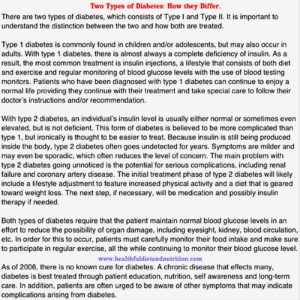
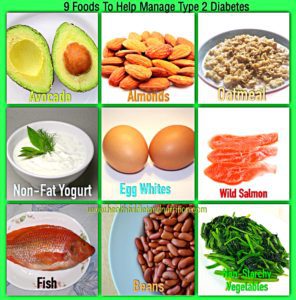
Dieting for Diabetics: How to Lose Weight When Suffering from Diabetes 11 Signs of High Blood Sugar 13 Signs of Low Blood Sugar Top Foods for Blood Sugar Control How Does Insulin Work? A Clear Guide to the Hormone That Controls Blood Sugar Low Blood Sugar Diet Tips That Actually Work How to Regulate Blood Sugar With Simple Changes Understanding Blood Sugar and Your Overall Health How Cinnamon Helps Control Blood Sugar   Diabetes is a chronic metabolic disorder characterized by high blood sugar levels due to insufficient insulin production or the body's inability to effectively use insulin. There are primarily two types: Type 1 diabetes, an autoimmune condition where the pancreas produces little to no insulin, and Type 2 diabetes, which typically develops due to insulin resistance and is often linked to obesity and lifestyle factors. Symptoms include frequent urination, increased thirst, fatigue, and blurred vision. Long-term complications can affect the heart, kidneys, nerves, and eyes. Management includes lifestyle modifications, blood sugar monitoring, and, in some cases, insulin therapy or medication. Managing Type 2 diabetes involves making smart dietary choices. Focus on whole, nutrient-dense foods like leafy greens (spinach, kale), lean proteins (chicken, fish, legumes), and healthy fats (nuts, olive oil). Incorporate whole grains (quinoa, brown rice) and high-fiber foods (broccoli, berries) to help control blood sugar levels. Limit refined carbohydrates, sugary snacks, and beverages to reduce spikes in glucose. Opt for low-glycemic foods like sweet potatoes and beans. Staying hydrated with water and herbal teas is essential. Regular meal timing and portion control also play crucial roles in maintaining stable blood sugar levels. Always consult a healthcare professional for personalized advice.