Category: Cortisol

Click the Links Below to Learn More:

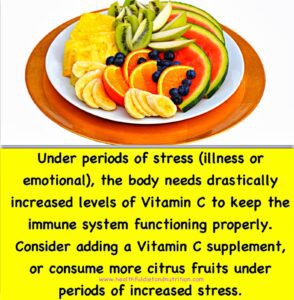
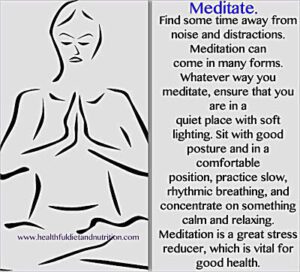
16 Signs of High Cortisol Top 18 Foods to Reduce Cortisol Levels Top 12 Wellness Tips for Reducing Stress and Anxiety Naturally 5 Ways Relieve Stress Vitamin C, also known as ascorbic acid, plays a crucial role in the body's response to stress. It is essential for the synthesis of cortisol, a hormone that helps manage stress. During stressful situations, the body's demand for vitamin C increases, as it is vital for the production of neurotransmitters and the maintenance of optimal immune function. Deficiencies in vitamin C may impair stress resilience and contribute to increased anxiety and depression. Incorporating vitamin C-rich foods, such as citrus fruits, strawberries, and bell peppers, can support the body's ability to cope with stress and promote overall mental health. Meditation is an effective tool for managing stress, promoting mental clarity and emotional resilience. By focusing on the present moment and cultivating mindfulness, individuals can reduce anxiety and enhance their ability to cope with daily pressures. Regular meditation practices, such as mindfulness or guided imagery, encourage deep relaxation, lower cortisol levels, and improve overall well-being. Studies have shown that even short, consistent sessions can lead to significant improvements in mood and stress levels. Establishing a meditation routine can create a sense of calm, helping individuals respond to stressors more effectively and fostering a greater sense of control over their lives.