How to Create a Balanced Plate: A Complete Guide to Healthy Eating

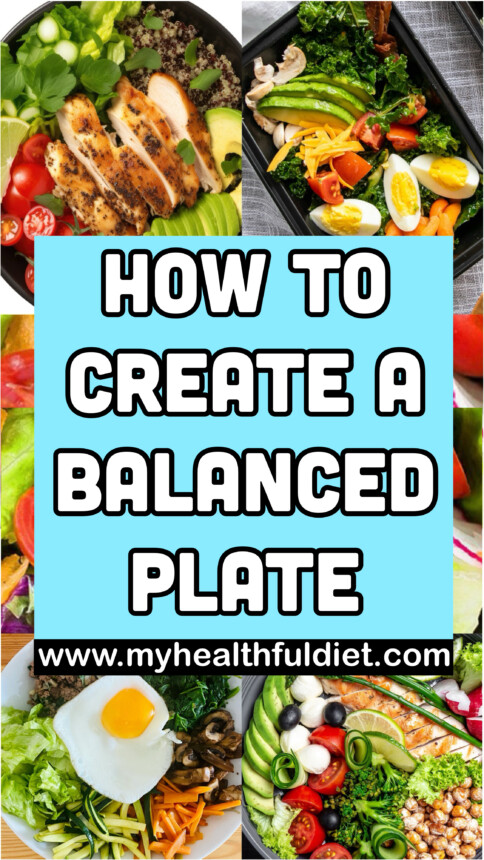 Building a balanced plate is honestly one of the easiest ways to take care of your health. You don’t need to count every calorie or ditch entire food groups. Forget those complicated meal plans and trendy diets. Just aim for balance, and you’ll actually give your body what it needs day after day. When you get the right mix of nutrients on your plate, you’ll notice you have more energy, your digestion gets smoother, you can focus better, and you’re setting yourself up to stay healthy down the road.
Eating well doesn’t have to be strict or stressful. Really, it comes down to putting together whole foods in the right amounts so your body can do its thing. Once you get the hang of it, making balanced meals just becomes part of your routine.
Understanding What “Balanced” Really Means
A balanced plate pulls together carbs, protein, healthy fats, fiber, vitamins, and minerals. Each one does something important for you.
Carbs give you energy to get through the day. Protein helps your muscles recover, keeps your immune system strong, and actually makes you feel full. Healthy fats? They help your body soak up nutrients, keep your brain sharp, and balance your hormones. Fiber is great for digestion and helps you stay satisfied longer. And vitamins and minerals—they run the show behind the scenes, handling everything from your bones to your metabolism.
If you skip one of these, you’ll notice. Maybe you feel tired, cranky, or just hungry again too soon. Like, if you eat only refined carbs, your blood sugar jumps and then suddenly drops, leaving you wiped out. Not enough protein or fiber, and you’re probably raiding the fridge an hour later.
You don’t need to nail it at every single meal. The point is to aim for balance most of the time. When you do, your body thanks you.
The Ideal Plate Composition
Picture your plate for a second. Cover half of it with vegetables and fruits—mostly the non-starchy stuff. We’re talking spinach, broccoli, bell peppers, zucchini, carrots, tomatoes, berries. These are loaded with fiber and nutrients, plus they’re light on calories.
Next, fill a quarter of your plate with protein. Go for lean meats like chicken or fish, eggs, Greek yogurt, or plant-based picks like beans, lentils, tofu, tempeh, or edamame. Protein keeps your blood sugar steady and helps you feel full.
That last quarter? Fill it with whole grains or other complex carbs. Brown rice, quinoa, whole wheat pasta, oats, barley, sweet potatoes—all these give you steady energy and more fiber than the processed stuff.
Don’t forget healthy fats. They don’t need to take up much space—a splash of olive oil, a few slices of avocado, some nuts, or seeds sprinkled on top do the trick. That’s all your body needs.

Choosing Quality Over Quantity
Calories aren’t all the same, and your body knows it. A plate full of real, whole foods gives you way more vitamins, minerals, and fiber than something ultra-processed. Those packaged snacks? They usually come packed with extra sugar, salt, and the kind of fats you want less of.
Simple swaps make a difference. Grab whole grain bread instead of white, and you’ll get more fiber and feel fuller. Ditch the soda for water or herbal tea, and suddenly you’ve cut out a bunch of empty calories. Go for grilled fish over fried meat, and you’re saying no to extra unhealthy fats.
Healthy eating isn’t about cutting out every treat. It’s about picking foods that actually fuel you, most of the time, and not stressing over the occasional indulgence. Build a strong foundation with good choices, and those little splurges just fit right in.
Portion Awareness Without Obsession
Portion control matters, but you don’t need to fuss over measuring cups or scales every time you eat. Just use your plate as a guide. If you fill half of it with veggies and fruit, you automatically leave less space for big piles of starch or protein.
Pay attention to your own hunger and fullness. Eat slowly, notice how you feel, and stop when you’re satisfied—not stuffed. This kind of mindful eating keeps you from overdoing it and helps you tune in to what your body actually wants.
Eating out can be tricky since restaurant portions are usually way bigger than what you’d serve yourself at home. Try splitting a meal with someone, boxing up half for later, or ordering a side of veggies to keep things balanced.
Balancing Blood Sugar for Steady Energy
Keeping your blood sugar steady is one of the best things that comes from building a balanced plate. When you mix protein, fiber-rich carbs, and healthy fats in your meals, your body digests food more slowly. That means you dodge those wild blood sugar spikes and crashes.
And honestly, stable blood sugar just makes life better. You get more consistent energy, you can focus, and you’re not fighting off random cravings all afternoon. Over time, it even helps lower your risk for insulin resistance and type 2 diabetes.
Take breakfast, for example. Skip the plain bagel and go for whole grain toast with eggs and avocado. The protein and fat slow down how your body absorbs carbs. Or if you reach for fruit as a snack, throw in some nuts or a bit of yogurt. It keeps you satisfied longer and keeps your blood sugar in check.
Little changes like these really add up. You’ll notice the difference in how you feel, all day long.
Hydration as Part of the Balanced Plate
Food gets all the attention when we talk about healthy eating, but honestly, staying hydrated matters just as much. Water keeps your digestion on track, helps move nutrients around your body, keeps you cool, and even boosts your energy. Ever feel tired or hungry for no reason? Sometimes, you just need a glass of water.
Try to sip water regularly, not just when you’re already thirsty. Herbal teas count, and foods like cucumbers, oranges, and watermelon help too. Skip the sugary drinks and go easy on caffeine—your energy stays steadier, and you avoid piling on extra calories you don’t need.
Adapting the Balanced Plate to Different Lifestyles
A balanced plate is flexible. You can shape it around your own tastes, traditions, or whatever eating style works for you—vegetarian, Mediterranean, low-carb, or something unique to your culture. The basics don’t really change: focus on whole foods, get enough protein, go for fiber-rich carbs, add some healthy fats, and make sure your plate looks colorful with plenty of fruits and veggies.
If you’re an athlete or just really active, you’ll probably need more carbs and protein to keep your energy up and help your body recover. Older adults often pay extra attention to protein to keep their muscles strong. People dealing with specific health issues might tweak their sodium, carbs, or fats—whatever their doctor recommends.
It’s not about strict rules. It’s about making smart, personal choices that actually fit your life.
Making Balanced Eating Sustainable
Sustainability is key to long-term success. Drastic changes rarely last. It’s better to start small. Toss an extra serving of veggies onto your plate at dinner. Swap out white bread for whole grain. If you usually skip protein in the morning, add some eggs or yogurt to breakfast.
Meal planning actually takes a lot of pressure off, especially when life gets hectic. If you wash your veggies, cook your grains, or marinate some chicken ahead of time, you won’t reach for takeout as often. Stocking up on healthy basics means you can throw together a decent meal fast, without stressing about it.
And don’t forget—your mindset matters, too. Try not to label foods as “good” or “bad.” When you give yourself some flexibility, you’re less likely to feel guilty or get stuck in that binge-and-restrict cycle. Balance isn’t just about the food you eat; it’s about how you think about eating, too.
The Long-Term Benefits of a Balanced Plate
Eating balanced meals does a lot more than just help you manage your weight. It keeps your heart and digestive system happy, and honestly, it just makes you feel better overall. When you focus on loading up your plate with vegetables, fruits, whole grains, lean proteins, and healthy fats, you’re really cutting down your risk for things like heart disease, diabetes, and even some cancers.
But there’s more to it than just physical health. The way you eat can clear up your mind and lift your mood, too. If you’re low on certain nutrients or if your blood sugar is all over the place, it’s tough to concentrate or feel steady emotionally. Feed your body well, and your mind usually follows.
The best part? You don’t need fancy “superfoods” or complicated recipes to eat well. Just ask yourself at each meal—did I get some veggies or fruit, a good source of protein, some quality carbs, and healthy fats? If you’re hitting most of those most of the time, you’re doing great.
Balanced eating isn’t some quick fix. It’s just a straightforward approach you can stick with day after day. When you focus on being consistent, paying attention to what you eat, and giving yourself a little flexibility, eating healthy starts to feel less like a chore and more like something that actually nourishes you. In the end, these small, steady choices add up and set you up for real, lasting health.