
Indoor Air Pollution
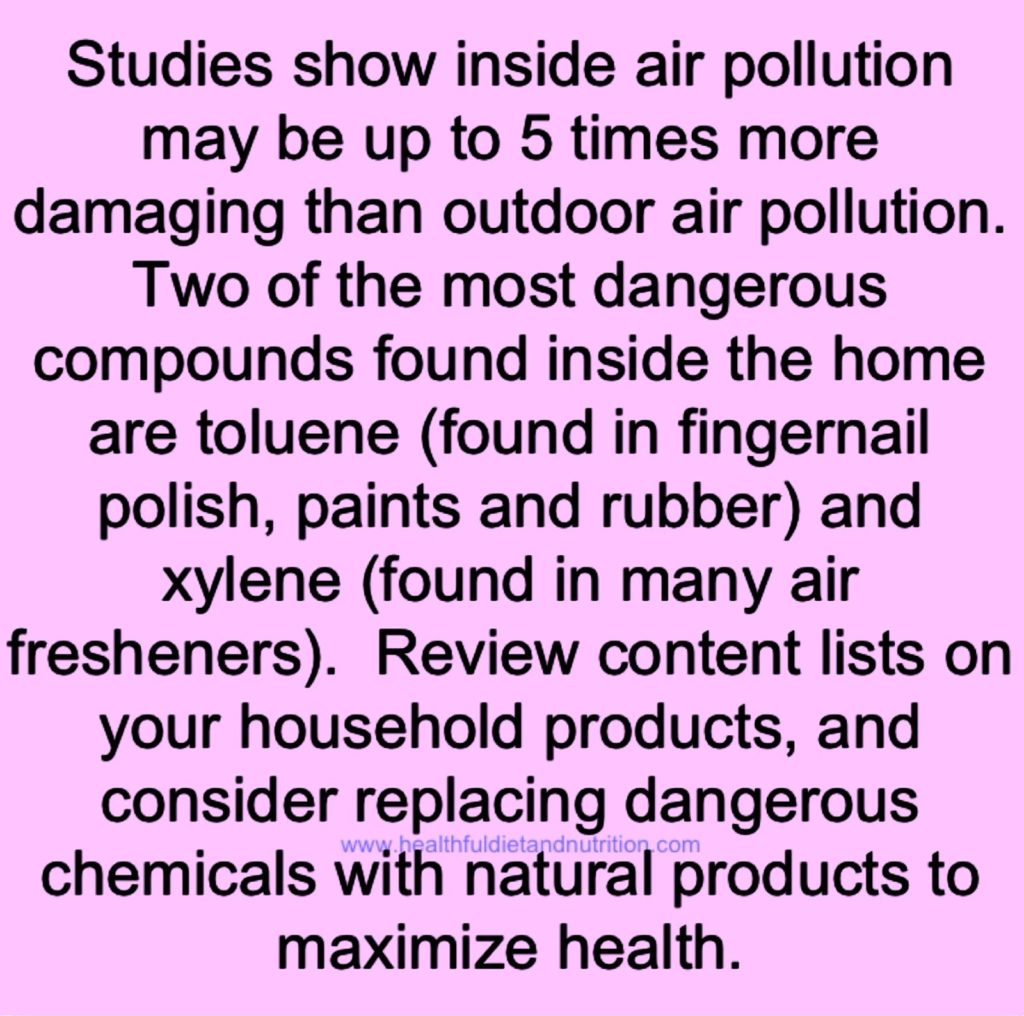
Indoor air pollution refers to the contamination of the air within buildings, primarily due to pollutants released from household products, building materials, and inadequate ventilation. Common sources include tobacco smoke, cooking emissions, mold, volatile organic compounds (VOCs) from paints, and household cleaners. These pollutants can lead to a range of health issues, including respiratory problems, allergies, and long-term diseases such as asthma or lung cancer. To mitigate indoor air pollution, it is essential to improve ventilation, use air purifiers, maintain humidity levels, and choose low-emission materials and products. Regular cleaning and maintenance can also significantly enhance indoor air quality.
Related Links🔗:
⭐️130 Reasons Why You Struggle to Lose Weight
⭐️50 Simple Ways to Eat Better
⭐️50 Powerful Exercise Benefits and Tips
⭐️60 Simple Tips to Stay Healthy and Fit
⭐️65 Simple Tips for a Healthy Lifestyle
CLICK Below to Continue:

 NEXT
NEXT


