12 Biotin Deficiency Symptoms

12 Biotin Deficiency Symptoms
Biotin deficiency can affect hair, skin, and overall health. Common symptoms include hair thinning, brittle nails, skin rashes, fatigue, and neurological issues such as mood changes or tingling sensations if levels remain low.Biotin, also known as vitamin B7, is a water-soluble vitamin that plays a crucial role in various metabolic processes, including the metabolism of carbohydrates, fats, and proteins. Biotin deficiency is relatively rare, but it can lead to several symptoms. Here are some common signs and symptoms associated with biotin deficiency:1. Hair Changes: Biotin deficiency can lead to hair changes such as Hair loss or thinning, brittleness, and loss of hair color (graying). Biotin, a B-vitamin, supports healthy hair growth. Supplementing may help restore hair vitality in deficient individuals.

2. Skin Issues: Biotin deficiency can cause skin issues like dryness, flaky skin, rash, inflammation and Dermatitis, especially on the face or scalp (often presenting as a red, scaly rash). This B-vitamin is vital for skin health; adequate levels promote hydration and a healthy complexion. Supplementation may help.


3. Nail Problems: Biotin deficiency can lead to nail problems such as brittleness, splitting, and slow growth. Biotin supports keratin production, essential for strong nails. Supplementing may improve nail health in deficient individuals.

4. Depression: Biotin deficiency has been linked to mood disturbances, including depression. This B-vitamin plays a role in neurotransmitter function. Adequate levels may support mental health. Consult a doctor for guidance.

5. Fatigue: Biotin deficiency can lead to fatigue and low energy levels, as it helps convert food into energy. Ensuring adequate biotin intake through diet or supplements may help alleviate these symptoms.

6. Cognitive impairment or confusion: Biotin deficiency may contribute to cognitive impairment and confusion, as it supports brain function and energy metabolism. Ensuring sufficient biotin levels through diet or supplements may improve mental clarity.

7. Mood swings: Biotin deficiency can lead to mood swings and emotional instability, as it impacts brain health and neurotransmitter production. Ensuring adequate biotin intake may help stabilize mood and promote emotional balance.

8. Nausea: Biotin deficiency may cause nausea and gastrointestinal discomfort. This B-vitamin supports metabolism and helps maintain gut health. Ensuring sufficient biotin intake can alleviate nausea symptoms.

9. Loss of appetite: Biotin deficiency can lead to a loss of appetite, as it plays a role in metabolism and energy production. Increasing biotin intake through diet or supplements may help restore normal appetite levels.

10. Muscle Pain and Cramping: Biotin deficiency may contribute to muscle pain and cramping, as it is essential for energy metabolism and muscle function. Adequate biotin intake through diet or supplements can help alleviate these issues.

11. Anemia: Biotin deficiency can contribute to anemia by affecting red blood cell production and overall metabolism resulting in fatigue and weakness. Ensuring adequate biotin levels through diet or supplementation may help improve blood health.

12. Increased risk of infections: Biotin deficiency may increase the risk of infections due to weakened immune function. This B-vitamin supports skin health and barrier function. Ensuring adequate biotin intake can help bolster immunity.

At-Risk Populations: Certain groups may be more susceptible to biotin deficiency, including: - Pregnant and breastfeeding women - Individuals with malabsorption issues (e.g., Crohn's disease, celiac disease

At-Risk Populations: - Those on prolonged intravenous feeding without adequate biotin - People consuming raw egg whites regularly (as avidin in egg whites can inhibit biotin absorption)

Diagnosis and Treatment: If biotin deficiency is suspected, a healthcare provider may perform blood tests to assess biotin levels. Treatment typically involves dietary changes and/or supplementation.

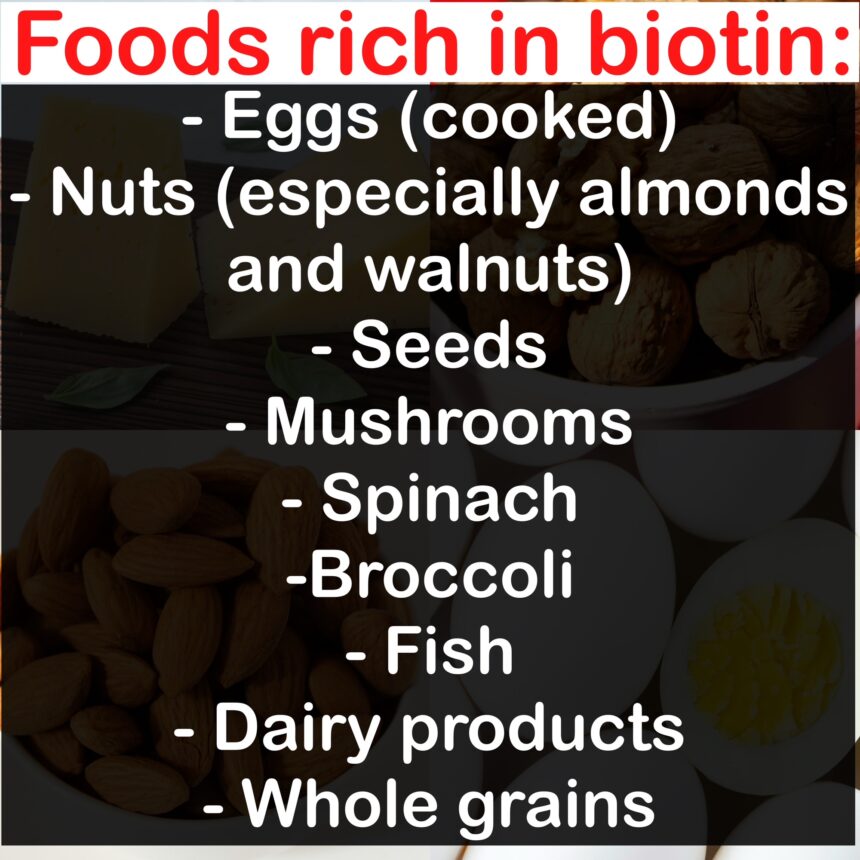
Foods rich in biotin: - Eggs (cooked) - Nuts (especially almonds and walnuts) - Seeds - Mushrooms - Spinach -Broccoli - Fish - Dairy products - Whole grains

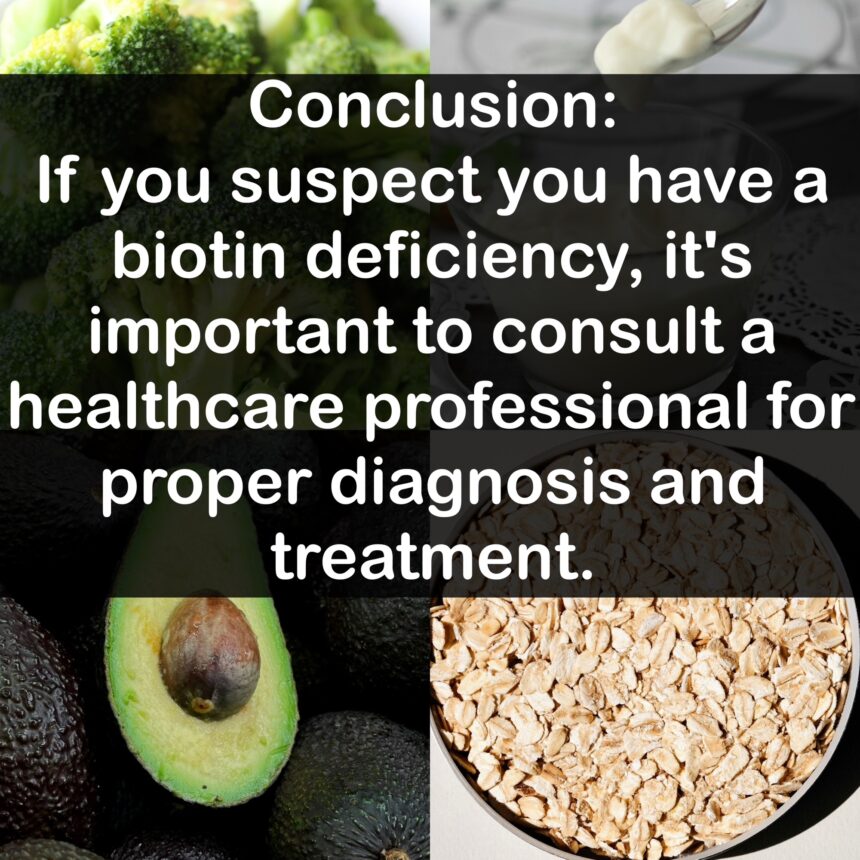
Conclusion: If you suspect you have a biotin deficiency, it's important to consult a healthcare professional for proper diagnosis and treatment.


CLICK “NEXT” Below to Continue:

NEXT: 10 Foods that are more Nutritious when cooked