What You Need to Know Before Starting a Diet


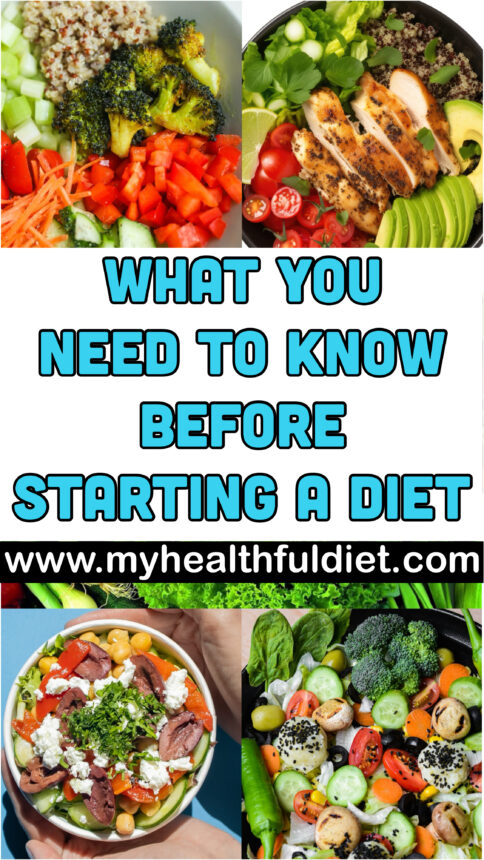
Starting a diet can feel like hitting reset. Maybe you want to feel better, have more energy, look in the mirror and actually like what you see, or maybe your doctor gave you a wakeup call. Whatever your reason, you probably mean well. But here’s the thing—most diets don’t fall apart because people are lazy or weak. The real problem? Folks jump in without really knowing what they’re getting into. Before you overhaul your eating habits, there are a few honest truths to keep in mind. These can spare you a lot of frustration, keep you healthy, and actually help the changes stick.
A diet isn’t some quick fix, even though people talk about it like it is. It’s not about cutting things out for a few weeks and then slipping back into old habits. That approach just keeps you stuck in a loop—lose some weight, gain it back, and honestly, it wears you down both physically and mentally. Real results come when you treat your diet as a long-term change, not some countdown to a finish line. Just shifting your mindset here changes everything. You start picking foods differently, thinking ahead about meals, and you don’t let setbacks throw you off course.
Here’s another thing—there’s no one-size-fits-all diet. Your body isn’t exactly like anyone else’s. Genes, hormones, your daily routine, stress, sleep, even your health history—they all play a role in how your body reacts to food. What works wonders for your friend might leave you feeling stuck. That’s why these flashy, extreme diets usually leave people disappointed. They promise fast results but ignore the fact that everyone’s different. The best diet? It’s the one that fits your body, your schedule, your culture, and what you actually like to eat. Forget what sounds impressive—go with what works for you.
Nutrition isn’t about being perfect. It’s about making better choices most of the time and sticking with them. A lot of folks put off changing their eating habits because they think they have to get everything right, all the time. Honestly, that’s not how it works. Eating mostly whole, less processed foods and giving yourself some wiggle room makes this whole thing way more doable. Strict rules? They just don’t fit real life for long. Food should make you feel good and fuel your body, but it’s also about sharing meals with friends and actually enjoying what you eat. If your diet feels like torture, you probably won’t stick with it.
There’s something else to keep in mind: weight loss isn’t the only way to measure progress. Sure, the scale gives you a number, but it doesn’t capture everything. Sometimes, having more energy, better digestion, steadier blood sugar, lower cholesterol, a better mood, or solid sleep means you’re on the right track—even if the scale barely budges. Lots of people get frustrated when they don’t see quick results, but their health is actually getting better in ways that matter. Knowing this from the start keeps you focused on feeling good instead of chasing a single number.

Before you jump into a new diet, take a good look at how you actually feel about food. Dieting tends to dig up old patterns—like eating when you’re upset, feeling guilty after certain meals, or falling into that “all or nothing” trap. Maybe food has been your go-to for comfort, control, or just to take the edge off stress. So, changing what you eat isn’t just about willpower; sometimes it’s surprisingly tough. That’s not failure. It just means food means more to you than calories and nutrition. Facing this honestly—and getting some professional help if you need it—can really change the game for you in the long run.
And hunger? People don’t talk about it enough. So many diets crash and burn because they ignore basic biology. If you’re constantly hungry, drained, or snapping at everyone, that diet isn’t going to last. Hunger isn’t some kind of flaw; it’s your body talking. Learning to tell the difference between true hunger and just wanting to eat because you’re bored or stressed, that takes practice. But it’s worth it. A good diet shouldn’t make you fight against your appetite—it should help you understand it.
Let’s be real—results don’t show up overnight. Everyone wants things fast these days, but when it comes to dieting, the process can feel slow and sometimes pretty thankless in the beginning. Real, healthy changes in your body just take time. If you drop weight super quickly, it’s usually just water or even muscle—not actual fat. Sure, the number on the scale might go down fast, but that rarely sticks. Patience isn’t just a nice idea when you’re trying to lose weight; you need it. If you set honest, realistic goals right from the start, you’ll stick with it, even when progress feels tiny.
Before you jump into a new diet, think about how it fits into your actual life. If a plan demands fancy recipes, pricey groceries, or super strict meal times, it might sound promising, but it probably won’t last. Your diet needs to work when you’re slammed at work, traveling, or hanging out with friends. If it can’t roll with your life, you’ll probably end up ditching it. Simple and flexible plans get ignored way too often, but honestly, they’re the secret to sticking with it for good.
Don’t brush off your health history. Stuff like medical conditions, medications, or a past with eating disorders really changes how your body reacts to new diets. For some, cutting out foods or slashing calories just backfires. Seeing a doctor before you start isn’t weakness—it’s just smart, especially if you actually care about your health and not just looking different.
People also get tripped up by mindset. Motivation? Sure, it helps, but it’s flaky. It disappears the second life gets tough. Habits are what actually keep you on track. Those little routines—how you shop, what you eat, when you eat—they matter way more than trying to hype yourself up every day. Figure this out early, and you won’t feel crushed when your motivation slips, because your habits will keep you moving.
Diet culture loves to slap labels on food—“good,” “bad,” you know the drill. But honestly, that kind of thinking just piles on stress and guilt. One meal isn’t going to make or break your health. What really counts is how you eat most of the time, not whether you had a slice of cake last night. The more you tell yourself something’s off-limits, the more you end up wanting it, and sometimes that just leads to overeating anyway. It’s better to pay attention to how foods actually make you feel and make your choices from there, without judging yourself.
At the end of the day, your diet should work for you, not run your life. If you find yourself constantly thinking about food, weight, or what you should eat next, something’s off. The best kind of diet leaves space for things that matter—joy, focus, friends, even downtime. It should make your life bigger, not smaller.
Starting a diet isn’t just about swapping out foods. It’s really about getting to know your own body, setting goals that actually make sense for you, and picking a way of eating you can stick with even after the novelty wears off. If you start out with a clear head and a bit of patience, instead of trying to force quick results, you set yourself up to actually make it work—not just for a month or two, but for the long run.