Simple Ways to Add More Protein to Your Diet


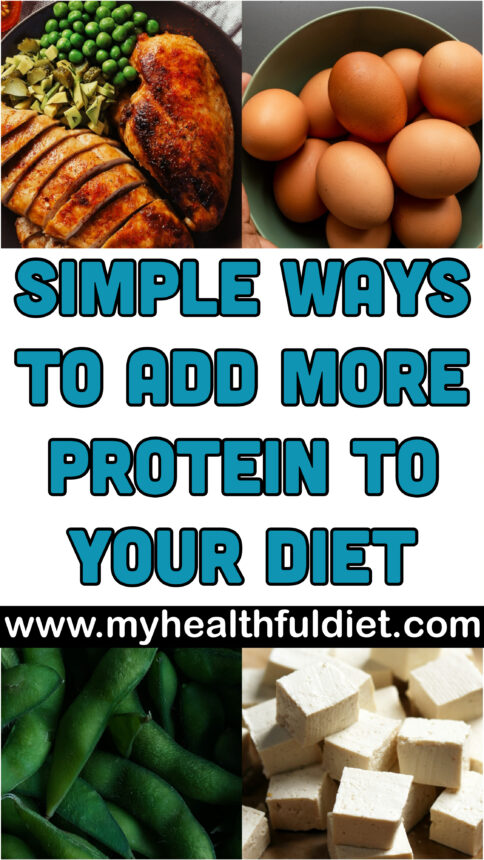 Protein matters—a lot. Your body uses it to build muscle, fix up tissues, fight off sickness, and honestly, it just keeps you feeling full and steady all day. But plenty of people fall short on protein, especially if most of their meals come from processed stuff or are loaded with carbs.
Here’s the thing: getting more protein isn’t rocket science, and it doesn’t have to drain your wallet either. Just tweak a few eating habits, and you’ll notice the difference. You don’t have to give up flavor or make life harder, either. These are some straightforward, no-nonsense ways anyone can work more protein into their day, starting right now.
Why Protein Matters
Before diving into tips, it helps to understand why protein is so important. Protein is made up of amino acids, which are often referred to as the “building blocks” of the body. These amino acids help maintain muscles, bones, skin, and hormones.
Eating enough protein can:
- Keep you fuller for longer
- Support weight management
- Improve muscle strength and recovery
- Stabilize blood sugar levels
- Reduce unhealthy snacking
Whether your goal is better health, weight loss, or muscle gain, protein should be a regular part of every meal.
Start Your Day with a High-Protein Breakfast
Many traditional breakfasts are heavy in carbs and low in protein. Think toast, cereal, or pastries. Swapping or upgrading your breakfast can make a huge difference.
Easy high-protein breakfast ideas:
- Eggs or egg whites with vegetables
- Greek yogurt with nuts and berries
- Protein smoothies with milk or plant-based alternatives
- Cottage cheese with fruit
- Oatmeal made with milk and added protein powder
Starting your day with protein helps control hunger and prevents energy crashes later in the morning.
Add Protein to Snacks
Snacks are a great opportunity to increase protein intake, yet they’re often overlooked. Instead of reaching for chips or sweets, choose protein-rich options that keep you satisfied.
Protein-packed snack ideas:
- Hard-boiled eggs
- Cheese sticks
- Nuts and seeds
- Roasted chickpeas
- Protein bars (check labels for quality ingredients)
- Peanut butter with apple slices
Even small amounts of protein between meals can add up over the course of the day.
Choose Lean Protein Sources
When increasing protein, quality matters just as much as quantity. Lean protein sources provide essential nutrients without excess saturated fat.
Healthy animal-based proteins include:
- Chicken breast
- Turkey
- Fish like salmon, tuna, and cod
- Eggs
- Low-fat dairy products
Plant-based protein sources include:
Mixing animal and plant proteins can help create a more balanced and nutrient-rich diet.
Make Protein the Star of Your Meals
A simple rule of thumb is to build your meals around protein first, then add vegetables and carbohydrates. This approach ensures protein doesn’t become an afterthought.
For example:
- Start with grilled chicken, then add rice and vegetables
- Build a salad with beans, tofu, or fish as the base
- Make stir-fries with lean meat or legumes as the main ingredient
When protein is the focus, it’s easier to meet your daily needs without overeating.
Upgrade Your Recipes with Protein Boosters
You don’t always need to change what you eat—sometimes you just need to enhance it.
Easy protein boosters:
- Add Greek yogurt to soups, sauces, or dips
- Mix protein powder into oatmeal, pancakes, or smoothies
- Sprinkle seeds like chia or hemp on salads and yogurt
- Add beans or lentils to soups, stews, and pasta dishes
These small additions increase protein without changing the flavor too much.
Don’t Forget About Dairy and Dairy Alternatives
Dairy products are often overlooked but are excellent protein sources. Greek yogurt, milk, and cheese can easily fit into meals and snacks.
If you’re lactose intolerant or plant-based, choose fortified alternatives such as:
- Soy milk (higher protein than most plant milks)
- Plant-based yogurts with added protein
- Protein-fortified almond or oat milk
Always check nutrition labels to ensure you’re getting enough protein per serving.
Use Protein Supplements Wisely
Protein supplements can be helpful, especially for people with busy schedules or higher protein needs. However, they should complement—not replace—whole foods.
Common options include:
- Whey protein
- Plant-based protein powders
- Ready-to-drink protein shakes
Look for products with minimal added sugar and recognizable ingredients. A smoothie with protein powder, fruit, and healthy fats can be a convenient and nutritious option.
Spread Protein Intake Throughout the Day
Instead of consuming most of your protein at dinner, aim to spread it evenly across meals. Your body absorbs and uses protein more efficiently this way.
Try to include a protein source at:
- Breakfast
- Lunch
- Dinner
- One or two snacks
This balanced approach supports muscle maintenance and keeps hunger under control.
Plan Ahead for Success
Planning meals in advance makes it much easier to stick to a protein-rich diet. Keep your kitchen stocked with protein staples like eggs, canned beans, frozen fish, and yogurt.
Simple meal prep ideas include:
- Cooking a batch of chicken or lentils for the week
- Pre-portioning snacks like nuts or yogurt
- Preparing protein-rich lunches the night before
A little planning goes a long way toward consistent, healthy eating.
Final Thoughts
Adding more protein to your diet doesn’t require drastic changes or complicated recipes. By making small, intentional choices—like upgrading snacks, focusing on lean proteins, and spreading protein throughout the day—you can significantly improve your overall nutrition.
Whether you’re aiming for better health, more energy, or improved fitness, prioritizing protein is a smart and sustainable step. Start with one or two changes from this list, build from there, and enjoy the benefits of a more balanced, protein-rich diet.