The Connection Between Mental Wellness and Physical Health

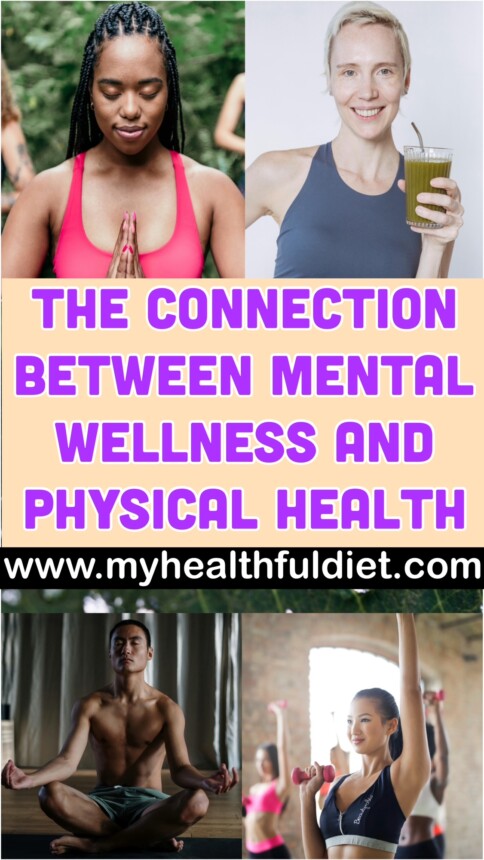 Honestly, mental wellness and physical health are way more connected than people used to think. People used to treat them like two separate things, sometimes brushing off mental health entirely. But now, thanks to research and real-life experiences, it’s obvious—the mind and body are linked, and what affects one almost always impacts the other.
Getting this connection isn’t just about staying healthy; it’s about actually feeling balanced and fulfilled. When your mind and body are working together, you feel more energetic, you think clearer, you bounce back from stuff easier. But if they’re off, you notice. It can wear you down in ways you can’t just ignore.
Mental wellness isn’t just about not feeling stressed or avoiding mental illness. It goes deeper — it’s about finding emotional balance, handling whatever life throws at you, and keeping a sense of purpose and connection with others. Physical health, meanwhile, is all about how your body works. We’re talking about strength, stamina, and staying disease-free. Sure, these areas sound separate at first, but honestly, they’re tangled up together in real life.
One of the most direct ways mental wellness influences physical health is through stress.When you’re stressed all the time, your body doesn’t get a break. Stress hormones like cortisol and adrenaline kick in, which is fine if you just need a quick boost. While these hormones are helpful in short bursts, prolonged exposure can lead to serious health issues, including high blood pressure, weakened immune function, and digestive problems.

Stress doesn’t just mess with your mind—it changes what you do every day. When people feel overwhelmed, they might find it hard to sleep, forget to eat, or end up relying on things like junk food or alcohol just to get by. Over time, these habits pile up and raise the chances of getting heart disease, obesity, or diabetes. In this way, mental wellness does not just influence how someone feels emotionally—it shapes daily habits that directly impact physical health.
Take sleep, for example. When your mental health takes a hit, sleep can get pretty rough—trouble falling asleep, tossing and turning all night, you name it. In turn, lack of quality sleep affects the body’s ability to repair itself, regulate hormones, and maintain energy levels. This creates a cycle where poor sleep worsens mental health, which then further disrupts sleep.
When your mental health is in a good place, your body usually benefits too. People who feel emotionally steady and bounce back easily from stress tend to stick with healthy habits. They’re more likely to work out, eat well, and keep their routines going. That kind of consistency keeps their bodies strong and lowers the risk for long-term health problems.
Take exercise, for example—it’s one of the clearest ways physical and mental health support each other. Moving your body gets your endorphins flowing, and those chemicals lift your mood, cut down on anxiety, and make dealing with depression easier. It doesn’t have to be anything intense, either. Just going for a walk or doing some stretches can make a difference in how you feel.
Exercise gives you more than just those chemical boosts. It brings structure and a sense of accomplishment. When you set a goal and actually reach it—even if it’s something small—it builds your confidence and helps you feel in control. That’s especially important when life feels uncertain and everything feels chaotic.
Nutrition plays a similar dual role. It doesn’t just give your body energy, it shapes how your brain works too. If someone is living off processed snacks and sugary drinks, you’ll probably see them having mood swings or feeling drained all the time. But when you stick with whole foods, healthy fats, and all the right nutrients, both your body and your mind feel sharper and steadier.
The gut-brain connection has become a growing area of interest in recent years. Turns out, your digestive system contains millions of neurons and produces many of the same neurotransmitters found in the brain. So if your gut health is off, you might notice your mood dipping or your mind feeling foggy, further illustrating how closely physical and mental health are tied together.
Then there’s the immune system. Mental health actually plays a part in how well your body fights off sickness. Chronic stress and emotional strain can weaken immune responses, making individuals more vulnerable to infections and slower to recover. On the flip side, positive mental states, including optimism and emotional stability, are associated with stronger immune function.
Social connections also play a role in both mental and physical health. Humans are naturally social beings, and meaningful relationships contribute to a sense of belonging and emotional security. But when you start to feel cut off or lonely, things can go downhill fast. It’s not just about mood, either—loneliness actually raises the risk of problems like heart disease. Keeping friendships strong really does support your overall well-being and encourages healthier lifestyle choices.
Physical health and mental wellness are tied together, too. Dealing with chronic illness, pain, or injury can wear you down emotionally. It may lead to feelings of frustration, anxiety, or depression. This is why health care shouldn’t split the mind and body as if they’re separate worlds. People need support for both.
You don’t have to flip your life upside down to get on track. Even small, steady changes matter. Getting enough sleep, moving your body, eating decent meals, and handling stress in healthy ways all make a difference for your whole self. Sometimes it’s just about carving out moments for mindfulness, jotting things down in a journal, or simply letting yourself breathe and unwind.
Don’t be afraid to ask for help when you need it. Reaching out to a professional—whether you’re dealing with stress, anxiety, or physical symptoms—makes a real difference. You get advice, and you catch problems before they get worse. Health isn’t just about your body or your mind in isolation. Looking at the big picture and caring for yourself as a whole person works much better.
The way you work, your daily habits, and the choices you make really shape your mental and physical well-being. Pushing yourself to work long hours, skipping breaks, or living under constant pressure throws everything off balance. On the flip side, being in a supportive environment with routines that let you rest and recharge keeps that balance in check. These days, more employers and communities are starting to see that mental wellness matters just as much as physical health. They’re offering more resources and talking openly about it.
Technology also plays a role in this relationship. It connects us and makes life more convenient, sure—but nonstop screen time and notifications drain you. That creeping stress and mental exhaustion add up. So, draw some lines. Give yourself permission to unplug sometimes. Protect your mental space, and your body ends up better off, too.
You really can’t separate mental wellness from physical health—they’re tied together, always moving as one. When you look after your mind, your body feels it. And when your body’s in good shape, your mind usually follows.
Staying healthy isn’t just about avoiding sickness. Real well-being means keeping the mind and body working together, in sync. That’s when you’re ready for whatever life throws at you, you actually enjoy your days, and you set yourself up for the long haul.
If you pay attention and make choices with that connection in mind, you won’t just feel better physically. Your whole life starts to feel better, too.