
How Food Affects Your Mood
 Food does a lot more than just fill you up. It quietly shapes your mood, your thoughts, and even how you react to everything going on around you. Most people recognize the immediate comfort of a favorite meal or the sluggishness that follows overeating, but the relationship between food and mood runs much deeper than these everyday experiences. But honestly, food and mood are linked in ways we don’t usually notice. What you eat messes with your brain chemistry, energy, and even your mental health down the road.
At the center of all this is your brain. It’s needy—always looking for a steady flow of nutrients to keep things running smoothly. Unlike a lot of your other organs, your brain really notices when your blood sugar, vitamins, minerals, or fats swing up or down. When you eat well, your brain pays it back with better focus and more balanced emotions. But skip out on nutrition and you’ll often end up cranky, tired, anxious, or just feeling off.
Food messes with your mood faster than you might think, mostly because of how it plays with your blood sugar. If you eat a meal packed with refined carbs and added sugars, your blood glucose shoots up, then crashes hard. That crash can leave you feeling tired, shaky, and irritable. It’s not just physical discomfort—it can also make it harder to concentrate and manage stress.
Flip the script, though, and grab something with a mix of protein, healthy fats, and complex carbs. Now your blood sugar stays level, so your energy lasts and your mood doesn’t swing all over the place. You just feel steadier, inside and out.
But there’s more going on than just sugar highs and lows. Certain nutrients get straight to work in your brain, helping build neurotransmitters—the chemical messages that shape how you feel. Take serotonin. People call it the “feel-good” chemical, and your body needs the right amino acids and vitamins to make enough of it. Foods full of tryptophan, along with some carbs to help it get into your brain, actually support serotonin production.
Same deal with dopamine—that’s the stuff that fires you up for the day and makes things enjoyable. To keep dopamine flowing, you need nutrients like tyrosine, iron, and a good dose of B vitamins. Skip out on these, and your brain just can’t do its job as well, leaving your mood flat or dragging. So, what you eat really does shape how you feel, sometimes within just a few hours.

Your gut actually has a much bigger impact on your mood than most people realize. People even call it the “second brain” because it’s packed with neurons and creates a big chunk of the body’s serotonin—the chemical that helps you feel good. The mix of bacteria living in your gut, known as the gut microbiome, shapes not only your mood but how you handle stress and whether you’re prone to feeling down. Diets high in processed foods and low in fiber can disrupt this balance, while diets rich in whole foods, fruits, vegetables, and fermented products tend to helps keep your gut bacteria happy. When your gut runs smoothly, it communicates more easily with your brain, which can make it easier to handle your emotions.
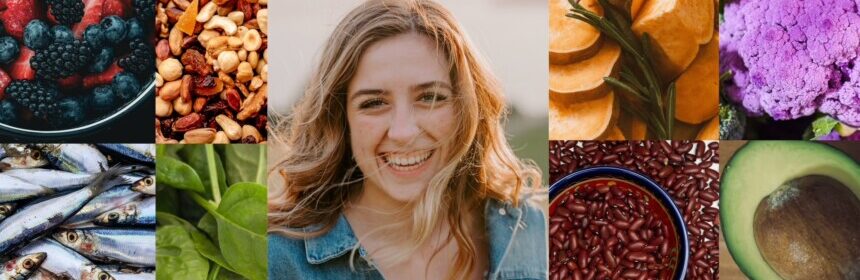
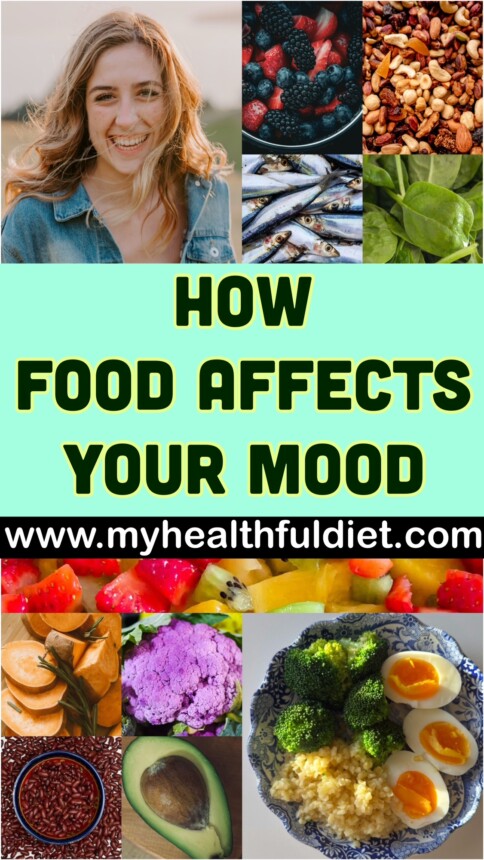
Inflammation is another piece of the puzzle. When it lingers for a long time in the body, it’s connected to mental health issues like depression and anxiety. What you eat matters here, too. Processed foods, lots of sugar, and trans fats tend to fire up inflammation. But foods loaded with omega-3s, antioxidants, and plant nutrients—things like fatty fish, leafy greens, nuts, and berries—work to calm it down and keep your brain healthy. Over time, these food choices don’t just help your body—they shape how resilient you feel on tough days, too.
Caffeine and alcohol both play a part in how food affects mood. Caffeine gives you a quick lift and helps you feel alert, but when you overdo it, you start to feel jittery or anxious, and your sleep gets thrown off. Since sleep is closely tied to emotional stability, poor sleep caused by excessive caffeine intake can indirectly worsen mood. Alcohol is a bit tricky—lots of people turn to it for relaxation, but it messes with your brain’s chemistry and wrecks your sleep. After the brief calm, you’re usually left feeling even lower.
Hydration is another piece people forget. Even being a little dehydrated makes it harder to focus, tires you out faster, and makes you cranky. Your brain needs enough fluids to do its job, and when you get behind on water, your thinking and your mood can suffer. And seriously, just drinking a little more water during the day keeps you sharp and helps keep your emotions in check.
The way you eat matters, too. Skip meals or go too long without eating, and your blood sugar crashes. Suddenly, you’re irritable or can’t focus. Eating regular, balanced meals steadies your energy and helps avoid those emotional dips that come with hunger. This isn’t about setting alarms for every meal or following some strict timetable—just pay attention to your body and eat when you’re hungry. Consistent, thoughtful eating makes a real difference in how you feel.
Emotional eating adds another layer to how we connect food and mood. A lot of people reach for snacks when they’re stressed out, bored, or feeling down. It’s a common thing—food brings comfort. But if eating becomes your main way to handle tough emotions, you can get stuck in a cycle where the quick relief ends in guilt or not feeling great physically. The point isn’t to judge yourself, but just to notice what’s going on. When you start to see what’s really pushing you to eat, you can find better ways to deal with those feelings.
Food means more than just nutrition, too. Culture and social life shape how we feel about eating. Sharing a meal with others can pull us closer, remind us we belong, and really lift our spirits. Even cooking or sitting down for a meal can help you slow down and feel more grounded. It’s a good break from the daily grind. All of this just goes to show: food does more than fuel us—it connects us and helps us enjoy life.
What you eat day after day matters just as much as any single meal. Sticking with a balanced diet helps keep your brain in good shape and cuts down your risk of mood problems or memory loss as you get older. You don’t need to chase perfection, though. It’s really about your overall habits—picking whole, less processed foods most of the time, and not stressing if you want to enjoy a treat now and then. Trying to make small, steady changes works better in the long run than going all-in on some strict diet you’ll ditch after a week.
Everyone is a bit different, too. Genes, your routine, stress, any health issues you have—they all affect how food ends up working for you. What leaves one person feeling focused might do nothing for someone else. So, listen to your body. Notice what lifts your mood or makes you sluggish, both physically and emotionally. That’s how you figure out what really works for you.
Life moves fast, and most days, what you eat barely crosses your mind. Grabbing whatever’s quick just feels easier, right? But the link between your diet and how you feel—your mood, your focus, even your energy—shows up in ways you might not catch at first. Give it some time, though, and you’ll start to notice patterns. People with steady energy and a calmer mindset often have one thing in common: they pay attention to how and what they eat.
Getting a handle on how food shapes your mood isn’t about strict rules or saying goodbye to whole food groups. It’s really about being curious—realizing what you eat affects both your body and your headspace. When you focus on what’s in your meals, how balanced they are, and even when you eat, things start to shift: your mind clears up, your energy lasts longer, and you just feel better overall.
Food isn’t just fuel; it’s actually one of the simplest ways to take care of your mental health. Sure, it won’t replace professional help when that’s needed, but it makes a real difference, day in and day out. When you eat on purpose and pay attention to your choices, you’re not just filling your stomach—you’re giving your mind some much-needed support, too.
