
Gluten Free Diet Plan for Better Health
 A gluten-free diet has become more than just a trend—it’s a necessary lifestyle for some and a health-conscious choice for others. No matter your reason, knowing how to tackle a gluten-free diet the right way really matters.
Gluten is a protein found in wheat, barley, and rye. For people with celiac disease, eating anything with gluten sets off your immune system and actually harms your small intestine. There’s also something called non-celiac gluten sensitivity—basically, where gluten leads to symptoms like bloating, fatigue, or headaches without the same immune response. And then there are plenty of people who aren’t allergic or sensitive, but still feel like cutting back on gluten helps with digestion or energy. It really depends on the person.
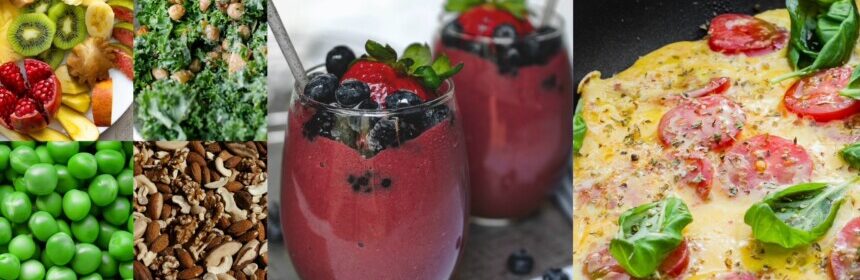
Going gluten-free is not just about skipping bread or pasta. It’s about creating an eating style that actually keeps you healthy. Instead of loading up on packaged gluten-free substitutes, it helps to stick with foods that are naturally gluten-free. Think fresh fruits and vegetables, lean proteins, beans, nuts, seeds, and whole grains that don’t have gluten.
One challenge is figuring out how to swap out the usual staples without missing out on nutrition. Lots of common carbs have gluten, but there are great swaps. Rice, quinoa, millet, and certified gluten-free oats all work well as the base of a meal. You still get fiber, vitamins, and minerals—everything your body needs to feel good.

