
How the Body Burns Calories
Calories are units of energy that fuel every function in the body. When they come from nutritious foods, they support metabolism, brain function, muscle repair, and overall vitality—helping you stay active, focused, and healthy.
CLICK “NEXT” Below For More:

NEXT: Symptoms and Causes of Indigestion



Related Links:
- How Your Body Burns and Stores Fat
- How Walking 30 Minutes a Day Burns Fat
- How Food Affects Your Body
- Breakfast And Body Weight
- The Impact of Diet and Exercise on Body Weight
- Are You Consuming More Calories Than You Think? – 5 Food Types to Check
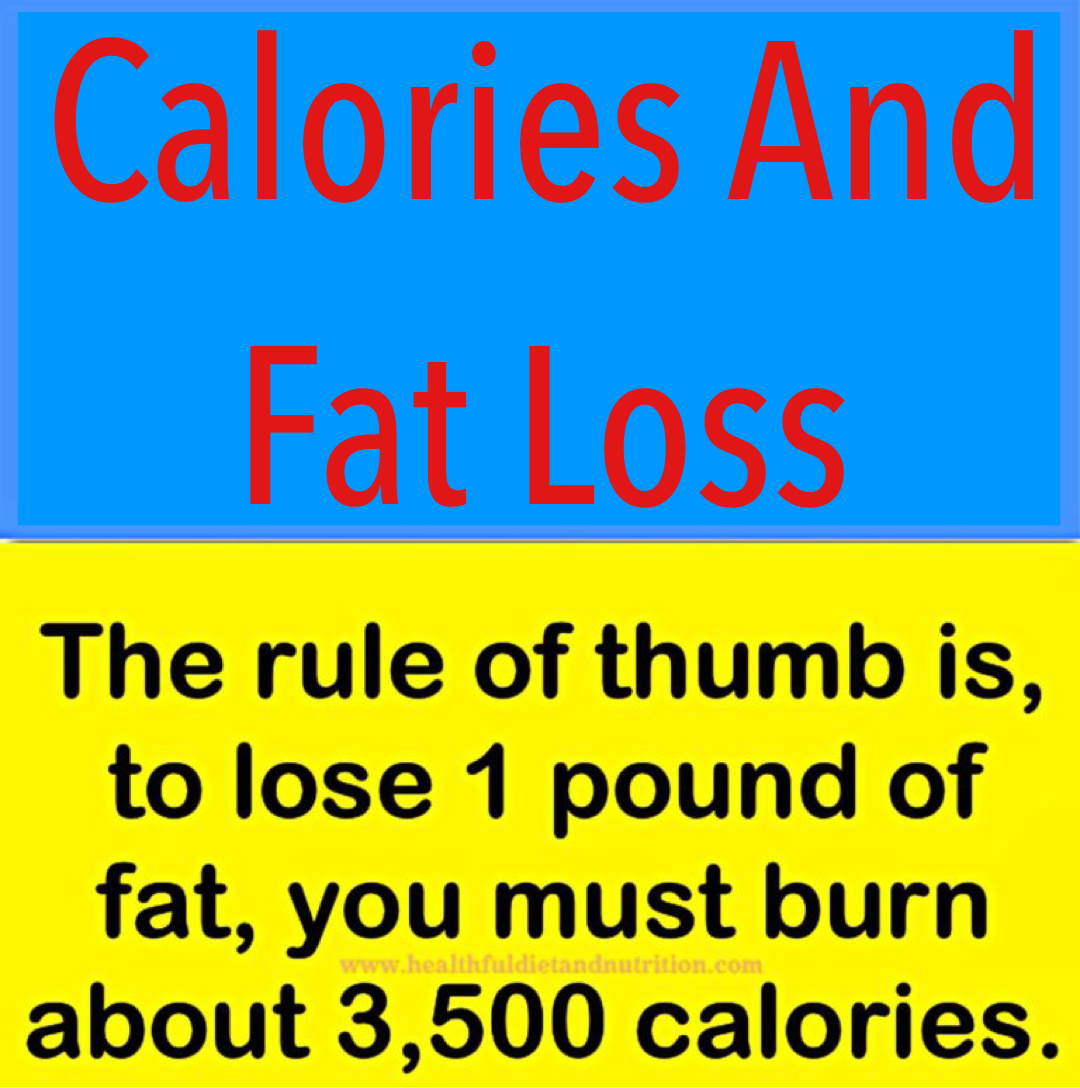
- Calories & Fat loss
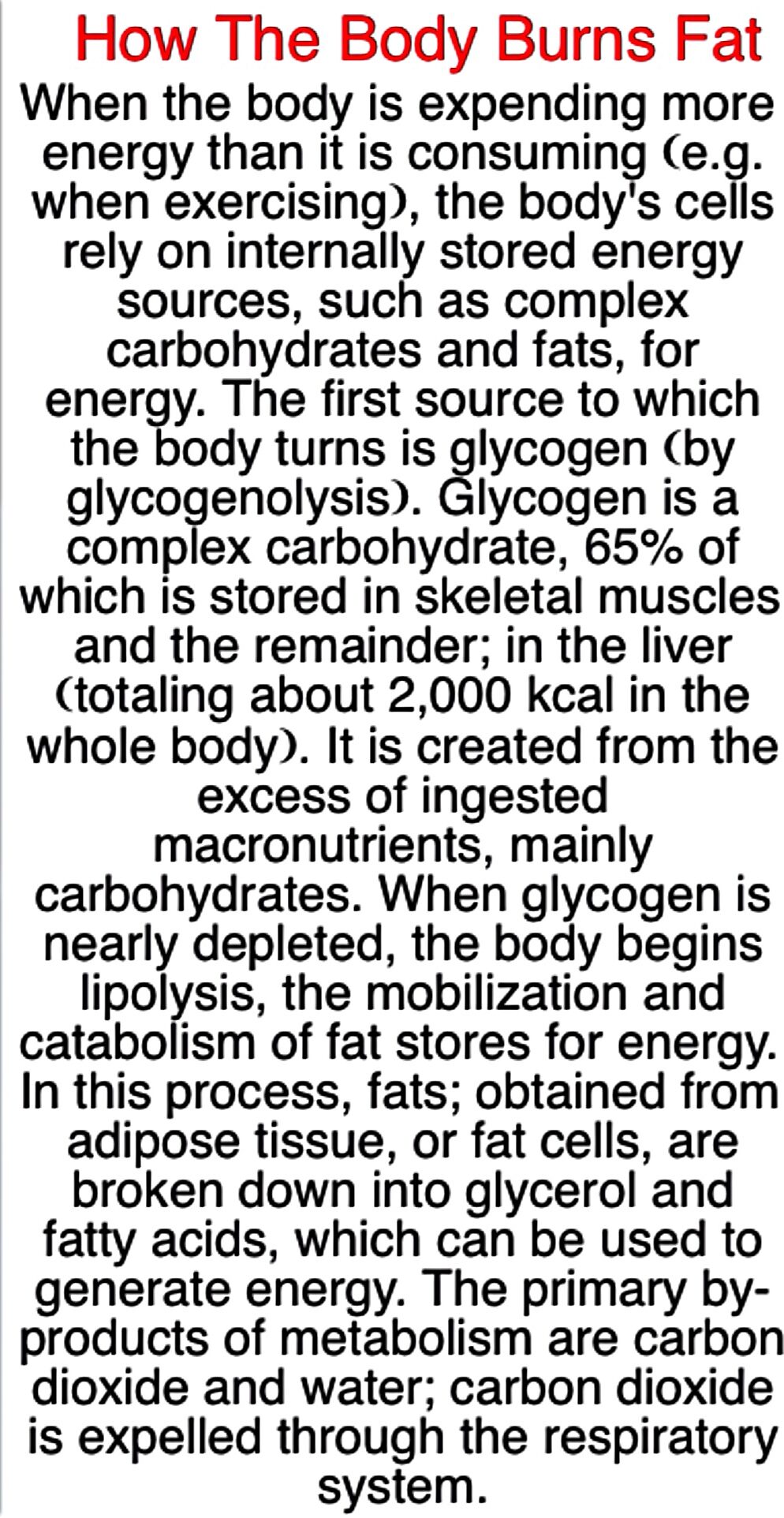
- How Does The Body Burn Fat?
- Simple Ways to Flavor Veggies Without Calories
- 12 Daily Habits That Transform Your Body
- Tips for a Healthy Body Weight
- It Is Never Too Late To Strengthen Your Body
- Foods to Eat for Prostate Health: Nourishing Your Body the Natural Way
- Healthy Diet And Energy Levels
- Benefits of B vitamins
- Work With The Body When Sick To Maximize it’s Efficiency
- Maintain A Healthy Level Of Iodine In The Body
- Get Your Lymph Moving For a Healthy Body
- 22 Healthy Foods to Boost Your Energy
- Tips to Maintain a Healthy Body weight
- Top High Energy Foods
- 6 Health Benefits Of Stretching The Body
- How to Cleanse Your Body Without Extreme Diets
- 10 Benefits of Phosphorus
- 50 Ways too much Sugar affect the body
- Top 10 Metabolism Boosting Foods
- Tips On How To Achieve The Body Of Your Dreams
- Maintain A Healthy pH Balance In the Body
- 15-Minute Full-Body Home Workout: Get Fit Without Leaving Your Living Room
- 30-Day Fitness Challenge for Beginners: Transform Your Body and Mind
- Your Diet is Not Complete without these 7 Nutrients
- How Is Food Digested in the Body? A Clear, Human Guide to What Really Happens After You Eat
- Vitamin A Rich Foods
- 10 Benefits of Protein
- Keep Your Body Weight Down
- Krill Oil vs. Fish Oil: Which Is Better for Your Body?
- Natural Methods For Detox
- B Vitamins & Energy
- Self-Care Ideas That Actually Work: Transform Your Mind, Body, and Soul
- 10 Benefits of Zinc
- Health Benefits of Carbohydrates
- B Vitamins Benefits
- 10 Benefits of Iodine🍤
- Honey vs. Sugar – Which is Better For The Body?
- Cleanse Your Body On A Regular Basis
- 10 Benefits of Eggs🥚
- 12 Biotin Deficiency Symptoms
- 10 Benefits of Beetroot
- 10 Benefits of Vitamin B12
- Top 20 Collagen Rich Foods
- Boost Your Energy with Beef Liver Supplement
- Top Foods and Tips for Muscle Building
- Top 24 Most Hydrating Foods
- 12 Benefits of Intermittent Fasting
- Top Foods That Boost Your Metabolism Naturally
- Post-Workout Meals That Aid Muscle Recovery
- The Benefits of a Healthy Diet: Why it Matters More than Ever
- Top 30 Phosphorus Rich Foods
- 10 Health Benefits of Iron
- Fuel Your Brain With Breakfast
- Protein-Packed Meals for Muscle Gain: Fuel Your Muscles the Right Way
- Top 31 Anti-Aging Foods
- Lose Weight Quickly with These Low Carb Dieting Tips
- Health Effects of Meal Timing, Frequency and Portion Sizes
- Benefits of Carbohydrates
- B Vitamins, Omega-3 And Depression
- 10 Benefits of Goji Berries
- Don’t Skip Breakfast
- Begin Your Day With Oatmeal
- How Does Insulin Work? A Clear Guide to the Hormone That Controls Blood Sugar
- Top 20 Zinc Rich Foods
- Top 34 Magnesium Rich Foods🥜
- Top 30 Healthy Fat Foods
- Give Your Muscles Time To Recover
- Potassium Deficiency Symptoms
- 10 Benefits of Salmon
- The Importance of Regular Exercise for Long Term Health
- 10 Benefits of Bell Pepper
- Top 43 Liver Cleansing Foods
- Balanced Diet Plan: What to Eat for Optimal Health
- Protein Deficiency: Signs and Symptoms
- 10 Benefits of Oats
- Cardio Exercise Benefits
- How to Create a Healthy Meal Plan for Weight Loss
- 10 Benefits of Turmeric
- How Food Affects Your Mood
- 10 Benefits of Grapes
- Meal Replacement Shakes: Why You Should Drink It
- 13 Folic Acid Deficiency Symptoms
- 20 Mood Boosting Foods
- 10 Folic Acid Benefits for Women
- Tips To Help You Sleep Better
- Consume Healthy Fat For Brain & Eye Function
- The Best Cardio Workouts for Burning Fat
- 15 Probiotics Deficiency Symptoms
- 10 Benefits of Calcium
- Foods That Support Fertility and Reproductive Health
- Top 18 Foods to Reduce Cortisol Levels
- 10 Benefits of Tofu
- Foods to Eat Before and After Exercise