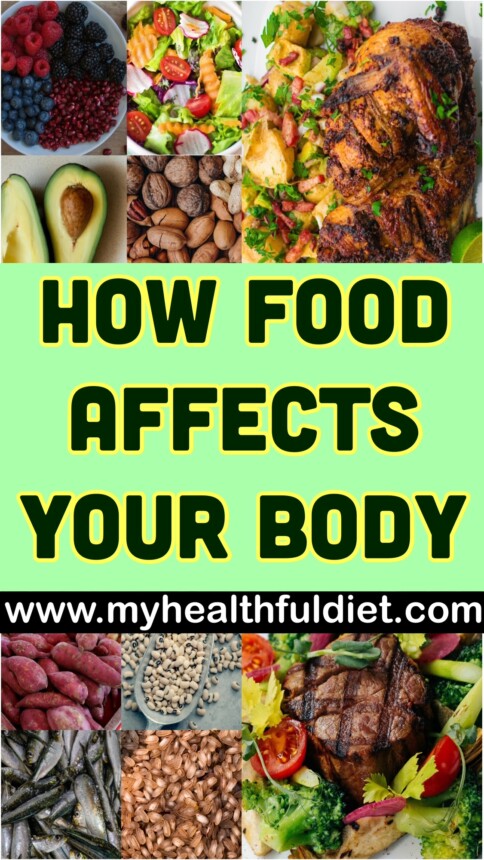
How Food Affects Your Body
 Food isn’t just something you eat to keep going—it actually shapes how you feel, think, and operate every day. From the way you wake up in the morning to how sharp you feel during meetings, what you eat is always making an impact. It’s not just about reading labels or counting calories, either. The food choices you make day after day play a huge role in your long-term health, your mood, and how good you feel in your own skin.
At the core of it, food gives your body what it needs to survive and stay strong. Carbs, proteins, fats, vitamins, and minerals all matter in their own ways. Carbs, for instance, are your main fuel. Eat some fruit, grains, or veggies, and your body turns them into glucose, which your brain and muscles run on. This is why balanced meals can help you feel energized and focused, while skipping meals or consuming too much sugar can lead to fatigue and energy crashes.
Protein does a lot more than people realize. Your body depends on it to build and repair tissues—basically, every cell needs protein to work right. When you eat foods like lean meats, beans, or dairy, your body uses amino acids to maintain muscle, support immune function, and produce important enzymes and hormones. Without enough protein, your body just can’t keep up—healing slows down, you feel weaker, and your immune defenses drop.
Fats often get a bad reputation, but they are vital for your health when consumed in the right forms. Healthy fats—think nuts, seeds, avocados, and good oils—help your brain work, cushion your organs, and let your body use vitamins that only dissolve in fat. They’re also key for making hormones. But eating too much of the bad stuff, like trans fats or greasy, processed oils, stirs up inflammation and increase the risk of chronic diseases. So it’s not about cutting fat out—it’s about picking the right kinds.

Beyond these macronutrients, vitamins and minerals are equally important. They may be needed in smaller amounts, but their impact is significant. Think about iron—it helps move oxygen around your body. Calcium? Your bones depend on it. And vitamin C isn’t just for fighting off a cold; it keeps your immune system in check. A diet lacking in these essential nutrients can lead to deficiencies that affect everything from energy levels to organ function.
Food kicks off its impact on your body the moment you start eating. Digestion goes to work, breaking everything down so your bloodstream can soak up those nutrients. It’s not just about fueling up, either—your gut health is on the line. Inside your digestive tract, trillions of bacteria (the gut microbiome) get to work. They’re not just hanging out; they help you digest food, boost your immunity, and even affect how you feel mentally.
Your choices at mealtime actually shape this tiny world inside you. Diets rich in fiber, fruits, vegetables, and fermented foods tend to support a diverse and healthy gut environment. If you lean on processed foods, sugary snacks, or loads of artificial ingredients, your gut’s balance can disrupt this balance. When that happens, you might feel bloated, your digestion could slow down, and a weakened immune system. Over time, it can also contribute to more serious health concerns.
What you eat doesn’t just fuel your body—it really changes how you feel and how your brain works. You can see it in your mood. The link between what’s on your plate and your mental health is hard to ignore now. The nutrients in your food help your brain make neurotransmitters, which are chemicals that regulate mood and behavior. Take tryptophan, for example. Foods packed with it can boost your serotonin levels, and that’s the stuff that helps you feel good. No wonder eating balanced meals can lift your mood and help keep anxiety and irritability in check.
But if your diet is loaded with sugar or refined carbs, it’s a different story. You’ll get these wild blood sugar highs and lows. That rollercoaster messes with your mood, makes you tired, distracts you, and leaves you on edge. Stick with that kind of eating long enough, and it doesn’t just wear you down—you can end up facing real mental health struggles, like depression.
There’s also your energy. When you eat meals with complex carbs, protein, and healthy fats, you get a solid, steady flow of energy that actually lasts. You can get things done and stay sharp. In contrast, relying on sugary snacks or highly processed foods can lead to quick bursts of energy followed by crashes, leaving you feeling tired and unmotivated.
The food you eat shapes your weight more than you might think. When you take in more calories than you burn, your body just stores the extra as fat. It’s a basic process, but if you keep eating more than you need, you’ll start to see the pounds add up. And it’s not just about how much you eat—it’s about what you eat, too. Foods that are rich in nutrients and close to their natural state usually keep you full and satisfied. That makes sticking to a healthy weight feel a lot more doable. Processed foods usually go the other way—big on calories, short on real nutrition, and they leave you wanting more, so it’s easy to overdo it.
What you eat also matters for your future. The way you eat now plays a huge role in whether you’ll deal with chronic diseases down the road. Heart disease, diabetes, some cancers—they’re all closely tied to your daily meals. Load up on saturated fats, sugar, and salt, and your chances of running into these problems shoot up. But if you fill your plate with fruits, veggies, whole grains, and lean meat or fish, you set yourself up for better health and a lower risk of those illnesses.
Don’t forget water, either. How hydrated you are makes a real difference, and food actually helps with that—especially if you’re eating lots of fruits and vegetables, since they’re packed with water. Staying hydrated helps your body run right: your digestion, circulation, even how you handle heat. Just being a bit dehydrated can leave you tired and unfocused, and it drags down your physical performance, too. So, food choices count for more than just filling you up—they play into almost every part of how your body works.
When you eat matters almost as much as what you eat. Sticking to regular, balanced meals keeps your blood sugar steady and keeps those wild hunger pangs in check. Skip too many meals, and you’re way more likely to overeat later and may disrupt metabolism over time. Paying attention to when you’re actually hungry—or when you’re full—goes a long way toward building a healthier, more natural relationship with food.
It’s also clear that everyone responds to food differently. Age, how active you are, your genes, and your overall health all play a part in how your body handles different foods. One diet might work wonders for your friend but not do much for you—and that’s normal. That’s why nutrition advice is getting more personal these days; it makes more sense to focus on what you need instead of following a generic plan.
The way we eat isn’t just about nutrition, either. Food connects us to our culture, traditions, and the people around us. Sharing meals is often about celebration or comfort, and honestly, that’s part of being human. But if eating turns into a way of dealing with stress or tough emotions all the time, it can become a habit that’s hard to break. Tuning into why you’re eating—not just what you’re eating—helps you find a healthier balance.
Life moves fast, and sometimes convenience wins out. Processed snacks and fast food are everywhere, and sure, they’re easy—but they usually cut corners on nutrition. Making small choices, like cooking at home a little more often or reaching for whole foods, can make a real difference for your health down the line.
The way you eat and how your body responds to it is always changing, always in motion. Each meal gives you a fresh chance to feel better, boost your energy, and enjoy life more. Even small adjustments to your eating habits, if you stick to them, really do add up.
When you learn how food actually affects you, it gets a lot easier to make choices that feel right. This isn’t about chasing some perfect diet or following strict rules. It’s about finding a balance that works, paying attention, and keeping things realistic for the long haul. Notice what you eat and how it makes you feel—it’s a simple step, but it can build habits that support both your body and your head.
Food does a lot more for you than just shape your appearance. It impacts your mood, your energy—how you actually show up every day. When you approach food thoughtfully and with a bit of curiosity, it becomes a powerful way to take care of yourself and your life. Related Links: Click
 the Links Below to Learn More: