The Truth About Fats: Good vs. Bad
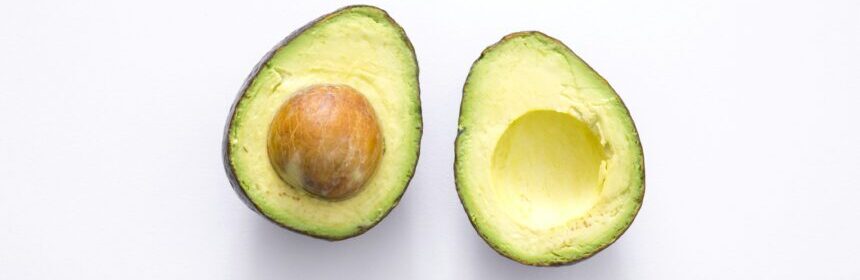

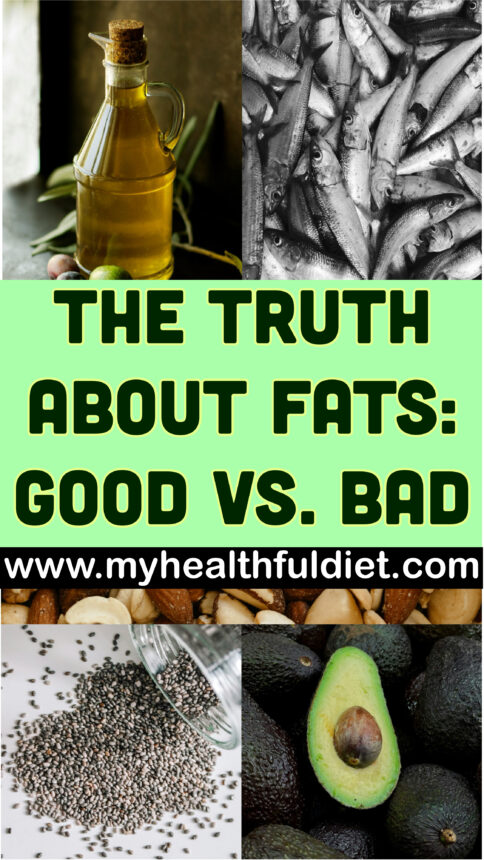 For years, people blamed fat for everything from weight gain to heart trouble. Supermarkets filled up with “low-fat” and “fat-free” foods, and suddenly folks were scared of butter, oil, nuts—even avocados. But now, nutrition experts see things differently. Fat isn’t the bad guy. Actually, some fats keep you healthy, while others can cause problems if you eat too much. Knowing which fats to eat and which to avoid makes a big difference when it comes to your health.
What Are Fats and Why Do We Need Them?
Fats, also known as lipids, are one of the three big macronutrients, right there with carbs and protein. Your body actually needs them. They pack a lot of energy into a small space, help you soak up vitamins like A, D, E, and K, cushion your organs, keep you warm, and they’re key for your brain and hormones.
A lot of people worry about fat because it’s higher in calories than carbs or protein, but eating fat doesn’t just make you gain weight. What really matters is how many calories you eat versus how many you burn. And honestly, the kind of fat you eat matters way more than just the amount.
The “Good” Fats: Unsaturated Fats
Good fats are primarily unsaturated fats, which are known to support heart health and overall well-being. These fats are typically liquid at room temperature and come from plant sources and certain fish.
Monounsaturated Fats
Monounsaturated fats are widely recognized for their health benefits. They help reduce levels of low-density lipoprotein (LDL), often called “bad” cholesterol, while maintaining or even increasing high-density lipoprotein (HDL), the “good” cholesterol. This balance lowers the risk of heart disease and stroke.
Common sources of monounsaturated fats include:
The Mediterranean diet, which is rich in olive oil and nuts, is a strong example of how monounsaturated fats can contribute to longevity and heart health.
Polyunsaturated Fats
Polyunsaturated fats include omega-3 and omega-6 fatty acids, both of which are essential fats. This means the body cannot produce them on its own, so they must come from food.
Omega-3 fatty acids are particularly beneficial. They support brain health, reduce inflammation, and lower the risk of heart disease. They are also linked to improved mental health and cognitive function.
Good sources of omega-3s include:
- Fatty fish like salmon, sardines, and mackerel
- Flaxseeds and chia seeds
- Walnuts
Omega-6 fatty acids also play an important role in growth and development. They are found in vegetable oils, nuts, and seeds. However, balance is key, as excessive omega-6 intake without enough omega-3s may promote inflammation.


The “Bad” Fats: Trans Fats and Excess Saturated Fats
Not all fats are beneficial. Some fats, especially when consumed regularly and in large amounts, can negatively affect health.
Trans Fats
Trans fats are widely considered the worst type of dietary fat. They are artificially created through a process called hydrogenation, which turns liquid oils into solid fats to improve shelf life and texture in processed foods.
Trans fats significantly increase LDL (good) cholesterol while lowering HDL (bad) cholesterol, dramatically raising the risk of heart disease, stroke, and type 2 diabetes. They also promote inflammation and have no known health benefits.
Foods that often contain trans fats include:
- Commercial baked goods (cookies, cakes, pastries)
- Fried fast foods
- Margarine and shortening (especially older formulations)
- Processed snack foods
Many countries have restricted or banned trans fats, but they can still appear in small amounts, so checking food labels is important.
Saturated Fats: A Gray Area
Saturated fats occupy a more controversial middle ground. Traditionally, they were classified as “bad fats” due to their association with increased LDL (bad) cholesterol. Saturated fats are typically solid at room temperature and come mainly from animal products.
Common sources include:
- Butter and cream
- Cheese
- Red meat
- Coconut oil and palm oil
Recent research suggests that saturated fats may not be as harmful as once believed, especially when consumed as part of a whole-food diet rather than processed foods. However, most health organizations still recommend limiting saturated fat intake and replacing it with unsaturated fats rather than refined carbohydrates.
Fat and Weight Gain: Clearing the Myth
A lot of people still think eating fat just makes you gain weight, plain and simple. It’s not that straightforward. Sure, fats pack more calories, but they actually keep you full for longer. When you eat the right kinds of fats, you’re less likely to get those nagging cravings or end up overeating later.
Now, here’s the thing about low-fat or “diet” foods: they often swap fat for sugar or refined carbs. That just sends your blood sugar on a rollercoaster and, honestly, can make it easier to put on weight or mess with your metabolism. On the flip side, if your meals have healthy fats, you get steadier energy and a better blood sugar control.
How to Make Healthier Fat Choices
Understanding good and bad fats allows for smarter eating without extreme restriction. Rather than eliminating fat, the goal should be choosing the right types in appropriate amounts.
Practical tips include:
- Use olive oil instead of butter or margarine when possible
- Eat fatty fish twice a week
- Include nuts, seeds, and avocados in meals
- Limit processed and fried foods
- Read nutrition labels and avoid trans fats
Conclusion
Let’s be real: the old idea that “fat is bad” just doesn’t hold up anymore. Your body actually needs fats—they’re crucial for things like keeping your heart and brain running smoothly. The good stuff? Unsaturated fats, especially monounsaturated and omega-3s. You want those in your meals on a regular basis. Trans fats, though, are a hard no. And with saturated fats, it’s best to keep them in check, not go overboard.
Instead of stressing about fat, focus on eating whole foods that aren’t heavily processed. When you pick your fats carefully, they don’t just fit into a healthy diet—they’re actually key to making it work.