How Does Acupuncture Work?
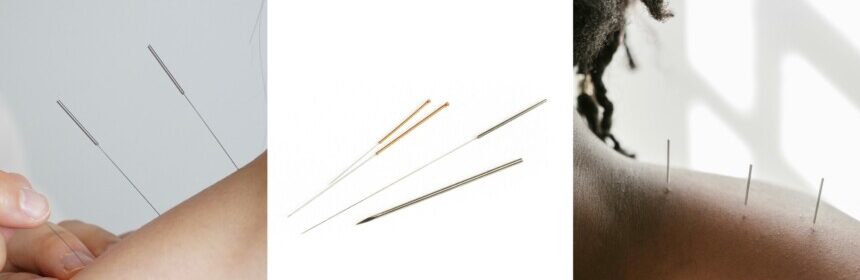

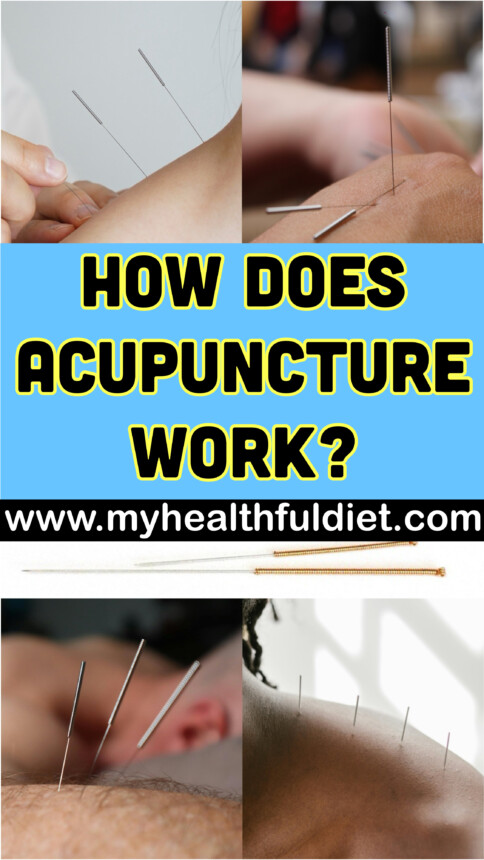 Acupuncture has been around for thousands of years, but honestly, it still makes a lot of people curious—and sometimes skeptical. If you’ve ever wondered how such a simple technique involving thin needles could influence pain, stress, and overall health, you’re not alone. The real story sits right at the meeting point between ancient beliefs and new science.
Basically, acupuncture is all about putting super thin needles into specific spots on your body. Practitioners pick these spots depending on what you’re dealing with. Even though acupuncture started with traditional Chinese medicine, it’s found a spot in Western healthcare, too. . Doctors now use it to support everything from chronic pain management to mental well-being.
If you want to understand what acupuncture is all about, you need to look at it from two sides: the traditional view and the scientific perspective. In traditional Chinese medicine, people believe the body has these energy highways called meridians, where “qi” (that’s “chee”)—your life energy—moves around. When qi flows smoothly, the body is in balance and health is maintained. When it becomes blocked or disrupted, illness and discomfort can arise.
Acupuncture aims to restore this balance. Practitioners use thin needles, placing them in specific spots along those meridians to clear up blockages or guide qi back on course. While this explanation may sound abstract to some, it reflects a holistic approach that views the body as an interconnected system rather than a collection of isolated parts.

Modern science takes a fresh look at acupuncture and offers another angle that actually fits well with traditional ideas. Research points to acupuncture working mostly by waking up the nervous system. When needles are inserted into the skin, they activate sensory receptors. These receptors send signals to the brain and spinal cord, triggering a cascade of physiological responses.
One of the most significant effects is the release of endorphins. Think of them as nature’s painkillers—they make pain fade and leave you feeling pretty good. That’s a big reason acupuncture gets used for tricky pain problems like backaches, migraines, and arthritis. People almost always say their pain drops, plus they feel relaxed both during and after the session.
There’s something else happening, too. Acupuncture seems to boost blood flow. Researchers found that hitting certain points with needles gets the circulation going in those spots. More blood flow means tissues get extra oxygen and nutrients, and waste gets cleared out faster. This mechanism may contribute to the effectiveness of acupuncture in treating muscle injuries and inflammation.
One big thing acupuncture does is influence the autonomic nervous system—the part that keeps your heart beating, your food digesting, and helps you manage stress. Acupuncture has been shown to help shift the body from a state of stress (often called “fight or flight”) to a more relaxed state (“rest and digest”). That shift can do wonders, especially if you’re dealing with anxiety, trouble sleeping, or long-term stress.
The way acupuncture works is pretty fascinating. It’s not just about one thing—it taps into several systems at once. It can affect your nerves, balance your hormones, boost your immune system, and even impact your brain. Brain imaging studies actually show that acupuncture lights up specific areas tied to how you feel pain and handle emotions.
If you’ve never tried acupuncture, the experience might surprise you. The needles used are extremely thin—much finer than those used for injections. Most people feel little to no pain when they are inserted. Some describe a mild tingling, warmth, or dull ache at the needle site, which practitioners often interpret as a sign that the treatment is working.
Sessions usually last about 20 to 60 minutes. People just lie back and stay still while the needles remain in place. Many people find the experience deeply relaxing, and it’s not uncommon for patients to fall asleep during treatment. That deep relaxation is part of the magic of acupuncture—it’s not just about easing physical symptoms.
Most people know acupuncture for pain relief, but it’s used for so much more. Headaches, digestive problems, menstrual cramps, allergies, even helping out people going through cancer treatment—it covers a lot of ground. Lately, it’s also being used more for mental health, especially for stress and anxiety.
Safety matters, of course. When a trained and licensed practitioner handles it, acupuncture’s considered very safe. The needles are always sterile and single-use, so you don’t have to worry about infection. Usually, side effects are pretty minor—maybe a little bruising or soreness where the needles went in, and that’s about it.
Acupuncture is getting a lot of attention these days, but let’s be honest—it is not a magic cure. Some people experience immediate relief, while others may need multiple sessions to notice significant changes. And most of the time, people use acupuncture as part of a bigger game plan, not just on its own.
What really draws people in is how personal the whole thing feels. Acupuncture practitioners look beyond the basic symptoms. They ask about your lifestyle, mood, how you sleep—stuff like that. You and someone else might show up with the same health problem, but walk out with totally different treatments because your bodies have different needs. That kind of tailored care is classic traditional Chinese medicine, and honestly, it’s a big reason why so many people are into it.
There’s another piece, too. These days, more people want options that don’t involve pharmaceutical treatments. Worries about side effects and dependency on medications are growing. Acupuncture steps in as a drug-free choice, and you can use it alongside whatever else your doctor recommends. That’s made it even more appealing for a lot of people searching for something different.
Scientific research on acupuncture is ongoing, and while not all findings are conclusive, a substantial body of evidence supports its benefits for certain conditions. But there’s quite a bit of evidence showing it really does help with some issues—especially when it comes to pain. Big organizations like the World Health Organization and the National Institutes of Health back acupuncture as a legit treatment for a number of health problems.
There’s another layer, too. What people believe and expect can actually influence how well acupuncture works. The placebo effect is real—sometimes just expecting to feel better makes you feel better, and that’s true for a lot of treatments, not just acupuncture. But when researchers put real acupuncture up against fake acupuncture (where needles don’t hit the right spots), the genuine version usually wins. That’s a solid sign its benefits aren’t just in your head.
These days, acupuncture is making its way into more mainstream medicine. Hospitals and clinics are adding it to their offerings, especially for people with pain or working through rehab. It’s part of a bigger movement—mixing traditional techniques with modern medicine to help patients get better results.
Honestly, there’s no quick, clear answer to how acupuncture actually works. It’s complicated—this therapy draws from ancient traditions, but it’s also studied by modern science. Whether you view it through the lens of energy flow or neurological response, the goal remains the same: to restore balance, reduce discomfort, and support the body’s natural ability to heal.
If you’re thinking about giving acupuncture a try, go in with an open mind and talk to someone who really knows what they’re doing. It’s not a replacement for mainstream medicine, but it can fit nicely with other treatments. As more research emerges, our understanding of acupuncture will continue to deepen—but its enduring presence suggests that there is something fundamentally effective about this ancient practice.