What is Wellness? A Complete Guide to Living a Balance Life


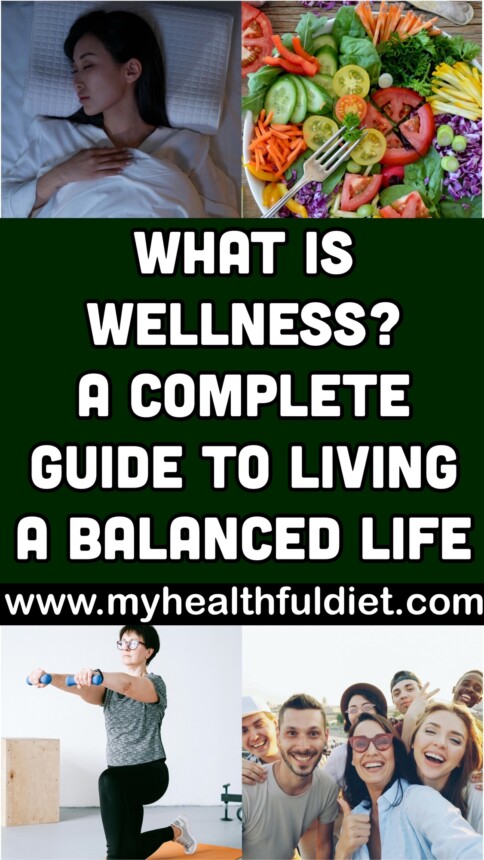 You see the word “wellness” everywhere these days — in doctor’s offices, on Instagram, even in group chats. But honestly, it’s a bit murky. At its core, wellness is not just about being free from illness. It is more about making everyday choices that shape a healthier, happier life. Wellness touches how you behave, how you feel, and how you handle whatever your day throws at you.
Getting a balanced life isn’t something that just happens. You craft it by paying attention, making smart decisions, and being willing to adjust things when they’re not working. It’s not some final goal; it keeps shifting as you move through different phases. What feels balanced in your twenties won’t look the same later on — and that’s totally okay.
Wellness really covers a lot more than just how you feel physically. Sure, your health is easy to spot—people notice if you exercise or eat well—but that’s just one part of it. How you handle your emotions, the way you think, your relationships, and even feeling like you have a purpose—these all shape your well-being. If you ignore one area, it tends to drag the others down with it.
Most people focus on physical health first, and honestly, it makes sense. Your body is the base for everything else. Moving your body regularly, eating decent food, and getting enough sleep are essential. But physical wellness isn’t about going overboard with strict diets or exhausting workouts. It’s really about sticking with habits you can actually keep up. Simple things—a daily walk, eating balanced meals, giving yourself enough time to rest—usually make a bigger impact in the long run than pushing yourself too hard for a few days and then burning out.

People tend to overlook mental wellness, even though it’s just as important as physical health. It shapes how you think, process information, and tackle problems day-to-day. A healthy mind allows you to adapt, learn, and make thoughtful decisions. Stress? That’s part of life. The real trick lies in how you handle it. Giving yourself a moment to breathe, reflect, or just reset can sharpen your thinking and toughen your resilience.
Then there’s emotional wellness—it’s all about understanding your feelings, expressing them honestly, and dealing with whatever life throws at you. It’s not about chasing happiness nonstop. It’s more about recognizing your emotions and finding healthy ways to work through them. When you do this, you strengthen your relationships and keep your cool, even when things get messy.
Social wellness, on the other hand, revolves around the connections you have with others. We’re social creatures by nature, and having meaningful relationships boosts our overall well-being. You don’t need a huge crowd around you; even a few close, supportive people can give you a sense of belonging and steadiness. Good communication, trust, and mutual respect really matter when it comes to social wellness.
Purpose matters more than most people admit. Having a sense of direction or meaning in your life can greatly influence your overall wellness. It’s easy to think you need some grand mission, but honestly, even the little things count—like finding meaning in your work, helping out your neighbors, or setting small goals that actually fit your values. When you know your actions matter, life feels richer. You get a boost in motivation and satisfaction that can’t really come from anywhere else.
Balance is not about chasing perfection or sticking to rigid schedules. It’s more about paying attention and making adjustments when you need them. Some days will feel more balanced than others, and that is part of the process. That’s normal. The real trick is noticing when something is off and nudging yourself back on track without beating yourself up.
A lot of people think wellness means flipping your whole life upside down, but that’s just not true. It’s those smaller, steady changes that really stick. Going to bed a bit earlier, cutting down on screen time, or simply stepping outside for a walk—these small steps, repeated, make you stronger and healthier in ways big shifts rarely do. Tiny changes, over time, build up into something pretty incredible.
Let’s be honest—wellness starts with self-awareness. When you really know what you need, where your limits are, and what your habits look like, you make smarter choices. You can spot the stuff that drains you and figure out what actually helps you recharge. Without self-awareness, it becomes easy to follow trends or advice that may not actually suit your lifestyle.
Modern life doesn’t exactly make things easy. Phones buzz nonstop, schedules are packed, and everyone expects a lot all the time. That kind of pressure wears you out fast. So, setting boundaries matters—a lot. Maybe you put your phone away for a bit, learn to actually say no sometimes, or just give yourself a break without feeling guilty. Rest is not a sign of weakness; it is a necessary part of maintaining balance.
Nutrition also plays a vital role in wellness, but too many people turn it into a strict checklist. Eating well isn’t about cutting everything out or being perfect. It’s about finding food that supports your energy and keeps you healthy, and not obsessing so much that you forget to actually enjoy eating. When you keep things flexible and allow yourself to enjoy your meals, sticking with good habits gets a whole lot easier.
Movement matters, but you don’t need a strict workout plan to benefit. The most important thing is to find an activity you actually enjoy—and stick with it. Maybe that’s walking, cycling, yoga, or something else entirely. The point is just to stay active and keep your body moving.
Sleep is often underestimated, yet it is one of the most critical components of wellness. When you don’t sleep well, everything else suffers—your mood tanks, it’s hard to focus, and everyday stress feels a lot heavier. Setting up a regular bedtime and making rest a priority can really turn things around.
And let’s not forget stress. It’s part of life, but it’s how you handle it that counts. Stress itself is not always harmful, but chronic, unmanaged stress can take a toll on both your body and mind. Finding solid ways to unwind—like taking deep breaths, writing things out, or just being in nature—helps you stay steady, even when things get rough.
It is also important to recognize that wellness looks different for everyone. What helps somebody else feel good might not work for you, and that’s totally normal. Your preferences, your culture, your life — all of that shapes what “wellness” means to you. So, forget comparing yourself to anyone else. Just pay attention to what makes you feel balanced and genuinely fulfilled.
If you’re looking for real wellness, you can’t expect it from quick fixes or extreme changes. Those rarely last. What actually works is building habits you can stick with over time. This requires patience and a willingness to adapt as your needs change.
A balanced life does not mean eliminating stress, avoiding challenges, or achieving perfect harmony. It’s about learning how to handle whatever comes your way with some stability and self-awareness. Sometimes you push through, other times you step back. The key is taking care of yourself in a way that works both now and down the road.
In the end, wellness is deeply personal. It is shaped by your choices, your mindset, and your environment. It’s not some checklist you have to follow. It’s about building a life that works for you and keeps you feeling good. Honestly, even tiny changes matter. When you pay attention to what you actually need, things start to feel more balanced—healthier, happier.
It’s not just a buzzword or a box you tick for a month or two. Wellness is something you grow into over time. As you change, it changes with you, and every step you take makes it more a part of your life.