How to Meal Plan for a Healthier Week


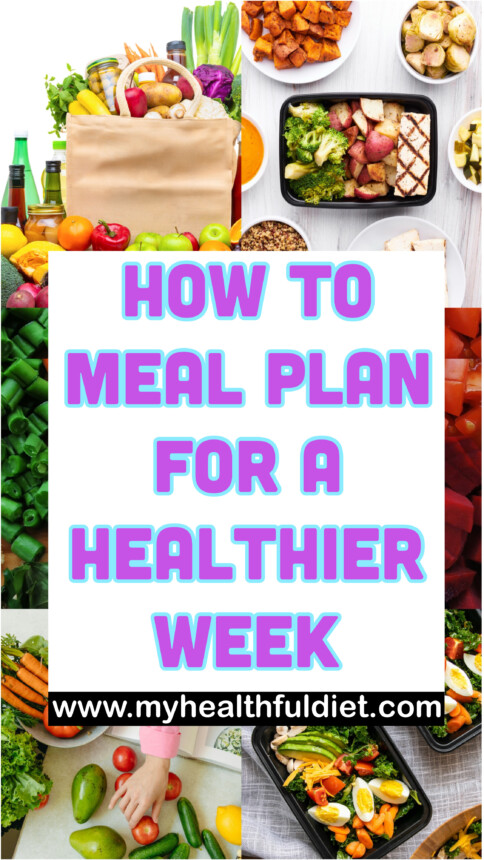 Meal planning gets a bad rap for being strict or eating up all your free time, but honestly, it’s one of the smartest ways to eat better without making life harder. When you get the hang of it, you make fewer last-minute choices, throw out less food, eat healthier, and save some cash. The real win? You stick with it. Healthy eating isn’t about pulling off a perfect meal here and there—it’s about your habits, day in and day out.
If you’ve ever found yourself standing in front of the fridge at dinnertime, totally clueless about what to make, you’re not alone—and that’s exactly where meal planning comes in. The point isn’t to follow some impossible nutrition plan. It’s about making a plan that actually works for you—your schedule, your cravings, and how much energy you have that week.
Start With Awareness, Not Perfection
Before planning anything, really look at your week. What’s on your calendar? Late nights at work? Dinner with friends? Maybe you’re traveling or you’ve got family stuff going on. Your meal plan has to fit the life you’re actually living, not some perfect version where you magically have endless free time.
Let’s say Wednesday is slammed with back-to-back meetings. That’s not the night to try out a complicated new dish. Go for something quick and easy instead. Save the more involved meals for days when your schedule actually lets you breathe—and maybe make enough to have leftovers when things get hectic.
It’s not just about your schedule, though. Pay attention to how you eat. Do you usually skip breakfast and then end up starving at night? Or are you always reaching for snacks because lunch is not filling enough? A good meal plan helps smooth out these habits. When you build your meals around protein, fiber, and healthy fats, you feel fuller longer, and your energy doesn’t crash halfway through the day.
Build Around Balanced Meals
Healthy meal planning is less about strict calorie counting—it’s really about finding balance. For most meals, just aim to get some lean protein, a good serving of veggies or fruit, whole grains or other complex carbs, and a bit of healthy fat. That mix keeps your blood sugar steady, gives you lasting energy, and helps you actually feel full.
Take something like grilled chicken with roasted vegetables and quinoa. You get protein, fiber, and complex carbs all on one plate. Or try Greek yogurt for breakfast with berries, seeds, and oats—it’s the same idea. You don’t have to get fancy. Honestly, the simpler the better.
And if you ever wonder about portions or what’s actually healthy, check out places like the World Health Organization or the Academy of Nutrition and Dietetics. They’ve got solid, science-backed advice. The big thing they keep saying? Go for variety, stick to whole foods, and don’t get caught up in extreme diets. Balance wins every time.
Choose Recipes That Share Ingredients
The smartest way to plan your meals? Pick recipes that use the same ingredients. You waste less, and you don’t have to run to the store as often. Say you buy spinach for a salad—toss the extra into an omelet or blend it into a smoothie. Roast some veggies for dinner, then throw the leftovers in a wrap, grain bowl, or pasta.
Planning like this shrinks your grocery list and makes everything quicker. Cook a batch of brown rice or some chicken at the start of the week, and you’ve got the base for all sorts of meals. No need to cook from scratch every night—you just mix and match what you’ve already got.
Meal planning doesn’t have to be strict or boring. Think of it like building with blocks. When you stay flexible, it actually works.
Schedule Prep Time Strategically
You don’t have to give up your whole Sunday to meal prep. If you stick to the basics, you can get it done in about an hour. Rinse and chop some veggies. Cook a couple of proteins. Make a pot of rice or quinoa. Portion a week’s worth of snacks—nuts, sliced fruit—into containers.
The idea is to make healthy eating easy during the week. When good food is right in front of you, ready to go, you’re way more likely to actually eat it. Honestly, convenience wins most of the time. If you can throw together a balanced meal in ten minutes, and takeout takes half an hour, you’ll be glad you planned ahead.
If you’re busy with work or family, don’t sweat it—partial prep works well . Maybe you just make lunches ahead of time. Or you batch-cook dinners and stick to simple, repeat breakfasts. It doesn’t have to be fancy. Doing it regularly matters more than making it complicated.
Plan for Realistic Variety
Let’s be real—mixing things up keeps meals interesting, but if you go overboard, it just gets overwhelming. You don’t need to invent seven brand-new dinners every week. Stick to a handful of favorites and rotate them. Planning suddenly feels way less stressful, but you still get some variety.
A lot of people find it helpful to go with loose themes. Maybe Monday is plant-based, Tuesday is seafood, Wednesday is chicken. You get the idea. It gives your week some shape, but you’re not boxed in by rules. If you’re in a Mediterranean mood, just pull ideas from that style—think lots of veggies, beans, grains, olive oil, and some fish or chicken here and there. Studies keep showing this way of eating supports heart health and helps you live longer.
Themes help with grocery shopping, too. When your meals use similar flavors and ingredients, your list gets shorter and shopping feels way less chaotic.
Create a Smart Grocery List
A good grocery list really sets you up for meal planning success. Once you’ve picked out your meals, jot down everything you’ll need—just don’t forget to check your pantry first, so you don’t end up buying stuff you already have.
Group your list by sections, like produce, protein, dairy, grains, and pantry staples. It speeds things up in the store and helps you avoid those random snacks that sneak into the cart. Having a plan keeps your spending in check and makes it easier to stick to your health goals.
One more thing—try shopping after you’ve eaten instead of when you’re hungry. It sounds simple, but tricks like this really make a difference over time.
Account for Snacks and Cravings
Healthy meal planning isn’t about cutting out snacks or treats. Actually, when you plan for them, you’re less likely to give in to random cravings later. Like something sweet after dinner? Go ahead and add a small portion to your plan. If you usually get hungry in the afternoon, get a protein snack ready—maybe cottage cheese, hummus and veggies, or just a handful of nuts.
Try to ignore your cravings and they just get louder. But if you face them and work them into your routine, they’re much easier to handle. You don’t need to deprive yourself to stay healthy. It just takes a little thought.
Stay Flexible and Adjust
Let’s be real—no meal plan goes off without a hitch. Life gets in the way. Meetings drag on, kids catch a bug, or you’re just too wiped out to deal with dinner. That’s normal. Being flexible isn’t failing; it’s just how things work.
It helps to have a couple of backup meals on hand. Think frozen veggies, canned beans, eggs, or a box of pasta. You can pull something together fast when your original plan falls apart. And with a safety net like this, you’re less likely to ditch the whole thing and order takeout.
When the week wraps up, take a minute to look back. What did you actually eat? What sat untouched? Which meals hit the spot? Which ones felt like a chore? Use what you learn to tweak your plan for next week. The more you practice, the easier—and more tailored—it gets.
Focus on Long-Term Sustainability
The best meal plan is one you can actually stick with. When you go too extreme—cutting out whole food groups or slashing calories—you might see quick results, but you’ll probably burn out just as fast. Instead, try making a few simple tweaks: load up your plate with more veggies, pick whole grains over the refined stuff, start your day with a bit more protein, and drink more water.
These small steps add up over time. That’s how you build habits that last and actually feel good.
If you’ve got specific health goals or conditions, it’s smart to talk to a registered dietitian. They can help you come up with a meal plan that’s right for you, whether you’re trying to manage your weight, stabilize your blood sugar, boost your athletic performance, or just feel better overall.
Make It a Weekly Ritual
Once meal planning becomes part of your routine, it just feels easier. You don’t have to think so hard about what’s for dinner or what you need from the store. Just pick a regular time each week—maybe Sunday afternoon, maybe Wednesday night—and commit to planning, shopping, and prepping. Block it off like you would any important appointment. Don’t skip it.
Pretty soon, you’ll notice it’s not just about eating better. You’re less overwhelmed by all those little decisions. Grocery bills become more predictable. Food waste shrinks. Stress around meals fades.
The real win? You start your week clear-headed. You know what’s coming, so you’re not scrambling when you’re hungry or tired. You’ve set yourself up with a plan, not just reacting in the moment.
Meal planning isn’t about being strict or controlling every bite. It’s about giving yourself some support. It helps with your energy, your time, your wallet, and your health. When you match your meals to your actual life, aim for balanced nutrition, and leave some wiggle room, you build something that actually makes things easier.
A healthier week doesn’t wait for Monday. It starts the moment you sit down and make a plan.
