Protein-Packed Meals for Muscle Gain: Fuel Your Muscles the Right Way
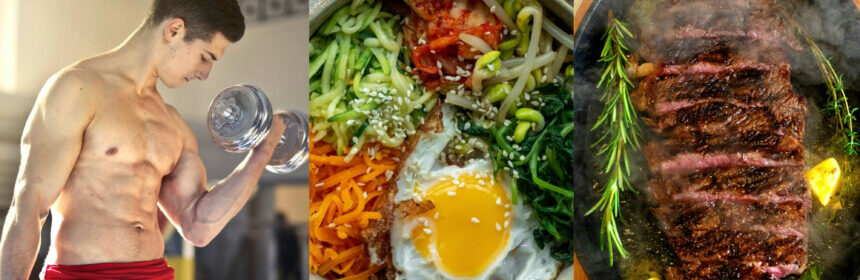
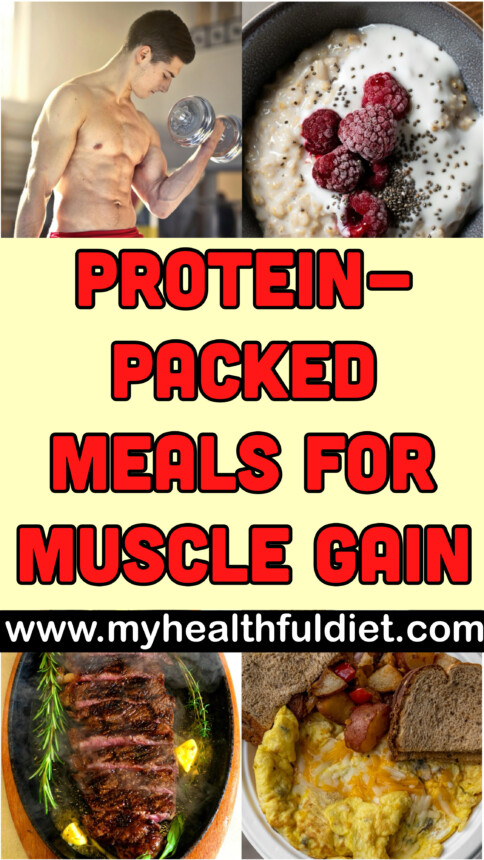 Building muscle isn’t just about pushing heavier weights or spending more hours at the gym. The real gains come when your training and what you eat actually work together. If you want to add lean muscle, get stronger, and bounce back quicker after workouts, you need protein-rich meals front and center. Eating the right foods, in the right amounts, and sticking with it—this gives your body what it needs to repair and build muscle.
Here’s what’s really going on: when you train—doesn’t matter if it’s lifting, HIIT, or bodyweight exercises—you’re actually creating tiny tears in your muscles. Your body jumps in to fix those, and if you’re eating well, it rebuilds them even stronger. Protein is what powers all of this. Without enough protein, you just don’t move forward.
Why Protein Matters for Muscle Growth
Protein isn’t just one thing—it’s a mix of amino acids, those famous building blocks your muscles need to grow. Leucine, for example, really gets muscle-building started in your body.
If you eat protein-rich foods regularly throughout the day, your muscles get a steady stream of those amino acids. That’s what helps you recover faster and keeps your body growing muscle instead of breaking it down.
People trying to build muscle usually need somewhere between 1.6 and 2.2 grams of protein per kilogram of body weight every day. Hitting the right total matters, but it’s not the whole story. What you eat and when you eat it both count. Spreading your protein out across your meals—rather than saving it all for dinner—actually helps your body build more muscle in the long run.
What Makes a Meal Truly “Protein-Packed”?
A real protein-packed meal isn’t just a lonely piece of chicken pushed to the side of your plate. It’s more about putting together good protein, smart carbs, and healthy fats—everything working together to help you perform better and recover faster.
When it comes to high-quality protein, you’ve got a lot to choose from: lean meats, poultry, fish, eggs, dairy, and some solid plant-based options. Chicken breast, salmon, Greek yogurt, and eggs are classics. They’re called “complete proteins” because they’ve got all nine essential amino acids your body just can’t make on its own.
You can definitely build muscle on a plant-based diet, but you have to be a bit more strategic. Mixing things up—like lentils with rice, tofu and quinoa, or chickpeas with whole grains—covers your bases and gives you the full set of amino acids. Soy, quinoa, and some legumes are already complete or pretty close, so they’re great to keep around.
People give carbs a hard time, but honestly, they’re crucial if you want to build muscle. Carbs refill your energy stores after a tough workout and help your body move amino acids into your muscles, where they actually do some good. Skip the carbs, and your body ends up burning protein for energy instead of using it to repair and grow muscle.
And don’t forget about healthy fats. Avocados, nuts, seeds, olive oil—these help your body make hormones like testosterone, which matters for muscle growth. Fats also help you absorb nutrients and get enough calories, both of which are key if you’re trying to put on size.

Structuring Protein-Packed Meals Throughout the Day
Forget chasing perfection—it’s consistency that really makes a difference. Instead of loading up on protein at dinner, spread it out through the day: breakfast, lunch, dinner, and even snacks.
Think about breakfast. Scrambled eggs with whole-grain toast and some fruit? Great. Or maybe Greek yogurt mixed with oats and a spoonful of nut butter. That early protein boost gets muscle growth going right from the start.
At lunch, go for lean proteins like grilled chicken, turkey, tofu, or beans. Add some brown rice or sweet potatoes, toss in a pile of veggies, and you’ve got a meal that keeps your energy steady and helps your muscles recover—especially if you’re working out later.
Dinner? Stick with the formula. Plenty of protein, smart carbs, and some healthy fats. Salmon’s a solid pick here—not just for the protein, but for the omega-3s too. Those help your body bounce back and dial down inflammation.
Don’t skip snacks, either. A bowl of cottage cheese, a protein smoothie, boiled eggs, or a quick shake with whey or plant-based powder—these all help you hit your protein goals without stuffing yourself at dinner. It’s all about keeping that steady flow, meal after meal.
The Role of Whey and Other Protein Supplements
Build your nutrition plan around whole foods. That’s your base. Still, protein supplements come in handy—especially if you’re always on the go or need more protein than usual.
Whey protein gets digested fast and packs a lot of leucine, so it’s a favorite right after a workout. Casein, on the other hand, breaks down slowly. Take it before bed, and you’ll get a steady stream of amino acids while you sleep.
If you don’t do dairy, you’ve got options—pea, rice, and soy protein powders work just as well. When you’re picking out a supplement, check for short ingredient lists and skip the ones loaded with sugar. Use supplements to fill in the gaps, not to take over your whole diet.
Calories: The Often Overlooked Factor
You can’t just rely on protein shakes and expect to build muscle if you’re not eating enough overall. Your body needs extra fuel to grow—so you actually have to eat a bit more than you burn each day.
Usually, adding about 250 to 500 calories on top of what you need for maintenance does the trick for lean muscle. Eat too little and you’re just spinning your wheels. Go overboard, though, and you’ll probably gain more fat than you want. The sweet spot is slow, steady progress.
Keep an eye on your body weight, your strength in the gym, and how you look in the mirror. If you’re not seeing changes on the scale after a few weeks, and your lifts aren’t going up, it’s probably time to eat a bit more.
Protein Timing and Post-Workout Nutrition
A lot of people swear you have to get your protein in right after you finish your workout, like there’s this tiny “anabolic window” and if you miss it, you lose all your gains. Honestly, what you eat throughout the whole day matters more than timing it down to the minute.
Still, grabbing a meal or a shake with 20 to 40 grams of good protein within a couple hours after you train just makes sense. Add some carbs, and you’ll bounce back faster—your muscles refill their energy, and you’re ready to go again sooner.
Now, if you worked out on an empty stomach, that post-workout protein is even more important. Start with a shake, then follow up with a solid meal. That’s how you help your body recover and get the most out of your training.
Hydration and Micronutrients
Don’t skip out on fruits and veggies just because you’re chasing high-protein meals. Your body needs more than protein—magnesium, zinc, and vitamin D all help your muscles work right and keep your hormones balanced. And iron? That’s a big one for energy and oxygen, especially if you’re a woman or you stick to plant-based foods.
Staying hydrated matters, too. Muscles are mostly water, so even a little dehydration can drag down your strength and stamina. Drink enough water during the day—it keeps your nutrients moving and helps you get the most out of your workouts.
Common Mistakes to Avoid
People often get caught up in the idea that more protein equals more muscle, but they forget about the other macronutrients your body needs. Then there’s the whole processed bar and shake thing—sure, they’re quick, but they just don’t have the fiber and nutrients you get from real food.
Sleep is another thing people shrug off. You can eat all the chicken breasts you want, but without good sleep, you’re not building much muscle. Seven to nine hours a night isn’t just a suggestion—it’s how your body repairs and grows.
And honestly, the hardest part? Sticking with it. You won’t see big changes if you just eat right for a couple weeks. Real progress comes from building habits and hanging in there for the long haul. That’s what actually works.
Fueling for Long-Term Progress
Building muscle isn’t about going all out or chasing quick fixes. It’s about sticking to a solid training routine, eating with purpose, and giving yourself time. Sure, loading up on protein matters, but it only does its job when you match it with challenging workouts, enough calories, the right mix of carbs and fats, and plenty of rest.
When you approach your meals with intention—choosing good protein, including carbs and healthy fats, and not forgetting the little things like vitamins and minerals—you set yourself up to get stronger. Keep at it, and you’ll start to see real changes: more muscle, better workouts, and just feeling healthier overall.
Feed your body what it needs, and it’ll show you what it can do. Related Links: Click
 the Links Below to Learn More: