Pre-Workout Foods for Maximum Energy


 Eating before a workout isn’t just about filling your stomach. You’re actually giving your muscles the fuel they need, right when they need it. Doesn’t matter if you’re lifting the weights, running long distance, or heading into a high-intensity interval session—what you eat beforehand really shapes how strong and focused you feel once you get going.
You don’t have to make pre-workout nutrition a big production. Just be smart about it. When you know how food works with your body, you can pick things that boost your energy without slowing you down. It’s all about eating with purpose, not just eating for the sake of it.
Why Pre-Workout Nutrition Matters
Your body relies primarily on glycogen—that’s just stored carbs—when you work out hard or push through a long run. With enough glycogen in the tank, your muscles fire like they’re supposed to, and you keep your focus. But run low, and everything gets tougher. You tire quickly, coordination slips, and your performance drops.
Protein steps in, too. Carbs do most of the heavy lifting for energy, but protein gives you amino acids that shield your muscles during tough workouts and help you bounce back afterward. Fats? They can keep your energy steady, though they take longer to digest, so you’ve got to watch the timing.
So, what should you eat before you exercise? It’s pretty straightforward: pick foods that give you quick energy, keep your muscles working, and don’t upset your stomach. Nail that combo, and you’ll feel the difference in every session.
Carbohydrates: The Foundation of Workout Energy
If you really want to boost your energy before a workout, carbs are your best friend. They break down into glucose, which your muscles use to keep you moving and your blood sugar steady.
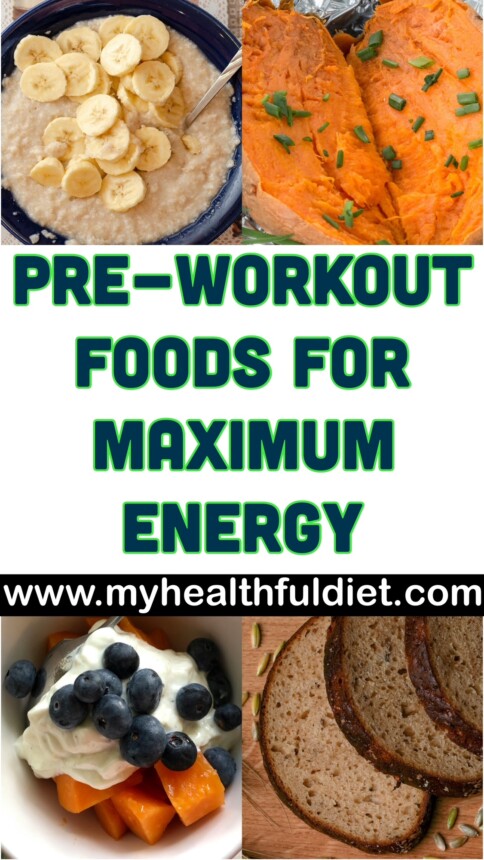
Stick with whole foods for your carbs. Things like oats, rice, sweet potatoes, bananas, and whole-grain bread give you a steady stream of energy—no crazy sugar highs, no sudden crashes. A classic pre-workout meal? Try a bowl of oatmeal with some fruit about an hour before you train. You get a mix of complex carbs and natural sugars, so you’re set for both quick and lasting energy.
Fruit works great, too. Bananas, berries, apples—they’re packed with natural sugars, plus fiber and antioxidants. They’re light, easy to digest, and you can grab them on your way out the door if you’re short on time.
When you eat carbs matters, too. If you’ve got two or three hours before you work out, go for a bigger serving of complex carbs. Closer to your workout—say, 30 to 60 minutes—pick something lighter and faster to digest, like fruit or a slice of toast with a little nut butter. That way, you get the energy you need without feeling weighed down.
Protein: Supporting Strength and Endurance
Carbs give you quick energy, but protein keeps your muscles strong and helps you perform better. If you add a moderate amount of protein to your pre-workout meal, you set yourself up for faster recovery and less muscle breakdown.
Go for lean options like Greek yogurt, eggs, cottage cheese, or a shake with whey protein. Just don’t overdo it—too much protein right before you train can mess with your stomach, especially if you’re pushing yourself hard.
If you work out first thing in the morning, try a smoothie with protein powder, a banana, and some almond milk. It’s quick to make, easy to digest, and still gets you those important amino acids.
The best pre-workout meals mix protein with carbs for steady energy and solid muscle support. You don’t need anything fancy. Just keep it simple and stick with it—that’s what really matters.
Healthy Fats: Strategic but Limited
Fats are energy-dense and important for overall health, but they digest more slowly than carbohydrates and protein. If you load up on fatty foods right before you exercise, you’ll probably feel weighed down or slow.
But you don’t have to cut out fats completely. A little bit—think nut butter, chia seeds, or some avocado—can actually give you steady energy, especially if you’re working out for a long time. If you’re into endurance sports or plan to be active for hours, having a bit more fat earlier in the day helps keep your energy up.
Timing really matters here. The closer you get to your workout, the less fat you want to eat. Keep it light, and you’ll feel better when it’s time to move.
Hydration: The Overlooked Energy Booster
Pre-workout nutrition isn’t just about food. Staying hydrated matters just as much for your energy, strength, and focus. Even being a little dehydrated can make you feel weaker and lose your edge.
It’s better to sip water all day instead of gulping down a ton right before you start moving. If you’re planning a tough or long workout, or it’s really hot out, adding some electrolytes into your drink can help keep your body balanced.
When you’re well-hydrated, your body moves nutrients where they need to go and your muscles fire the way they should. Skip the water, and even the best meal won’t give you the boost you want.
Timing Your Pre-Workout Meal
When you eat matters just as much as what you eat. If you’re aiming for a full meal, try to finish it two to three hours before you train. That way, your body actually has time to break things down and turn those nutrients into energy you can use.
But sometimes life gets in the way, right? If you’re pressed for time, grab a small snack about half an hour to an hour before your workout. Go for something easy to digest—think carbs with a little protein.
Honestly, everyone’s different. Some people feel great with just a snack, while others need something more filling to really get going. The only way to figure out what works for you is to test things out during your regular training—not on competition day. Pay attention to how you feel and adjust from there.
Popular Pre-Workout Options and How They Compare
In recent years, commercial pre-workout supplements have become widely used. Brands like Optimum Nutrition and Cellucor produce stimulant-based formulas designed to increase focus and perceived energy. While these can enhance alertness due to caffeine and other compounds, they don’t replace the foundational energy provided by carbohydrates.
Caffeine works, no question, especially if you use it wisely. Study after study shows that having a moderate amount before you exercise can help you go longer and make the effort feel easier. But here’s the thing—it works best alongside a solid diet, not as a replacement.
At the end of the day, whole foods give you the most reliable, steady energy. Supplements can give you a little extra edge, but they can’t make up for skipping out on proper nutrition.
Training Type Influences Food Choices
The type of workout you’re preparing for should guide your pre-workout meal. High-intensity strength sessions rely heavily on glycogen, making carbohydrate intake especially important. Endurance workouts may benefit from slightly larger carb portions earlier in the day.
But if you’re just doing yoga or some light mobility work, you probably don’t need much. Maybe just a snack or even just staying hydrated is enough.
Athletes who train more than once a day really have to stay on top of their nutrition. They need to refill their glycogen stores quickly between workouts, and what they eat before each session makes a big difference in how well they can keep going all day.
Common Mistakes That Drain Energy
A lot of people make the mistake of skipping food before a workout. Sure, fasted training is trendy right now, but it doesn’t work for everyone. When your glycogen is low, you just don’t have the same power, and you’ll probably get tired faster.
On the flip side, eating a huge meal right before exercise isn’t great either. Heavy food sits in your stomach and pulls blood away from your muscles, so you end up feeling sluggish and maybe even a little uncomfortable.
Sugary, processed snacks are another trap. They’ll give you a quick boost, but that’s usually followed by an energy crash partway through your workout. Going for balanced, less processed foods keeps your energy steady and helps you feel better from start to finish.
Personalization Is Key
There is no universal pre-workout meal that works for everyone. What works for you depends on your body, your metabolism, how hard you train, and honestly, just what sits well in your stomach.
Some people feel great after oatmeal and eggs. Others do better with a smoothie, or maybe just a banana and some yogurt. The best way to figure it out? Try different foods before your workouts and see how you feel.
Sticking to a routine is more important than getting it “perfect.” When your body expects fuel before you train, your energy stays steadier and your workouts just go better.
Building a Sustainable Pre-Workout Routine
Nailing down a solid pre-workout routine takes the stress out of figuring out what to eat every time. Keep staple foods on hand that digest well and align with your training schedule. Go for easy combinations—carbs plus some protein usually does the trick.
If you’re working out first thing in the morning, overnight oats or a smoothie you prepped the night before make life easier. Training later in the day? A balanced lunch, timed right, sets you up.
Really, it all comes down to being prepared. When you plan your meals, you skip the last-minute scramble and actually eat what helps you perform your best.
Final Thoughts on Maximizing Workout Energy
Getting the most energy before a workout doesn’t have to be fancy or pricey. You just need food that refills your glycogen, gives you quick fuel, and fits with when you train. Carbs do most of the heavy lifting here, protein keeps your muscles in good shape, and don’t forget to hydrate—nothing works right if you’re running dry.
Sure, supplements promise a boost in focus, but honestly, nothing beats real food. The real magic happens when you pay attention to what you eat, when you eat it, and how your body responds. That’s how you build consistency.
When you actually fuel up with purpose, you notice it. Your workouts feel better, you can go longer, and bouncing back gets easier. It’s not a dramatic change in one day, but keep at it and you’ll see—smart pre-workout eating is one of your best tools for better training.
