Gluten Free Diet Plan for Better Health


 A gluten-free diet has become more than just a trend—it’s a necessary lifestyle for some and a health-conscious choice for others. No matter your reason, knowing how to tackle a gluten-free diet the right way really matters.
Gluten is a protein found in wheat, barley, and rye. For people with celiac disease, eating anything with gluten sets off your immune system and actually harms your small intestine. There’s also something called non-celiac gluten sensitivity—basically, where gluten leads to symptoms like bloating, fatigue, or headaches without the same immune response. And then there are plenty of people who aren’t allergic or sensitive, but still feel like cutting back on gluten helps with digestion or energy. It really depends on the person.
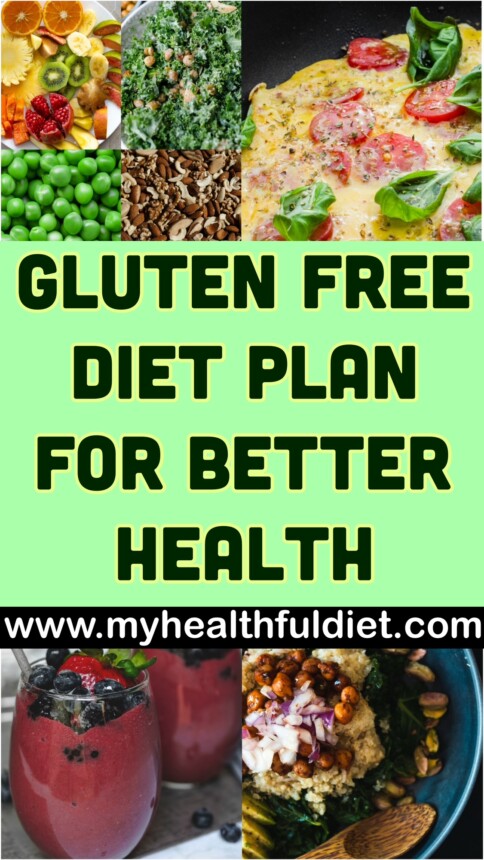
Going gluten-free is not just about skipping bread or pasta. It’s about creating an eating style that actually keeps you healthy. Instead of loading up on packaged gluten-free substitutes, it helps to stick with foods that are naturally gluten-free. Think fresh fruits and vegetables, lean proteins, beans, nuts, seeds, and whole grains that don’t have gluten.
One challenge is figuring out how to swap out the usual staples without missing out on nutrition. Lots of common carbs have gluten, but there are great swaps. Rice, quinoa, millet, and certified gluten-free oats all work well as the base of a meal. You still get fiber, vitamins, and minerals—everything your body needs to feel good.

Protein matters a lot when you’re eating gluten-free. The good news? Most natural protein sources don’t have any gluten. Think eggs, chicken, fish, tofu, beans, lentils—they’re safe, no worries. The challenge often comes with processed meats or pre-marinated products, which may contain hidden gluten in sauces or additives. Reading labels carefully becomes an essential habit.
Same idea goes for dairy. Plain milk, cheese, and yogurt are usually fine. But once you get into flavored yogurts, processed cheeses, or fancy dairy desserts, gluten can appear where you least expect it. Sticking to simple, less-processed stuff not only cuts your risk, but actually gives you better nutrition overall.
Honestly, a lot of people mess up at first by loading their carts with gluten-free packaged foods. Sure, they’re convenient, but they’re often packed with sugar, weird additives, and unhealthy fats. Plus, you usually end up with less fiber and fewer vitamins. You’re way better off treating those products as occasional backups and focusing mainly on whole foods that are naturally gluten-free. That’s how you end up feeling—and eating—healthier.
Planning your meals ahead of time really helps when you’re switching to a gluten-free lifestyle. For breakfast, try smoothies, eggs with some veggies added in, or even gluten-free oatmeal. Lunch and dinner work well if you base them around lean proteins, lots of vegetables, and gluten-free grains. When it comes to snacks, fresh fruit, a handful of nuts, or some yogurt will keep your energy up.
Eating out can feel challenging at first, but it becomes easier with experience. These days, plenty of restaurants have gluten-free choices, and some even hand you a separate menu. Just make sure you talk to the staff about your needs—especially if you have celiac disease or a strong sensitivity. Cross-contamination can happen pretty easily if kitchens use the same surfaces or utensils for regular and gluten-free foods, so it’s smart to ask a few questions.
Don’t forget about nutrient balance. Cutting out gluten grains can leave some gaps in your diet—things like fiber, iron, and B vitamins—if you’re not careful with your choices. Mix it up with plenty of whole foods: leafy greens, legumes, nuts, seeds, and gluten-free whole grains all help round out your meals and keep you feeling good.
How you hydrate and digest food affects your experience on a gluten-free diet, too. Drinking plenty of water keeps your digestion running smoothly and helps your body handle the extra fiber that often comes with more whole foods. Some people actually notice less bloating and feel their gut health improve after cutting out gluten, especially if gluten was an issue for them before.
But let’s be real—a gluten-free diet isn’t automatically a healthier choice for everyone. If you’re not sensitive or intolerant to gluten, removing it won’t guarantee better health. Actually, if you’re not careful, you could end up with a less nutritious diet than if you just stuck with balanced meals that include whole grains like wheat or barley. That’s why a little planning and research really matter here.
If you need to go gluten-free for medical reasons, it pays to find real support. A good healthcare provider or a registered dietitian knows how to help you figure out what foods work for you, keep your nutrition on track, and sidestep the usual mistakes. That kind of help makes sticking to a gluten-free lifestyle a lot easier—and way less stressful.
Sticking to any diet only works if you can actually keep it up—and that’s true for going gluten-free too. This whole thing should fit your life, not flip it upside down. Try foods you genuinely like, experiment with new recipes, and don’t be afraid to bend the rules now and then. You’re not aiming for perfection. The real goal is just making steady choices that support your health over time.
Of course, life isn’t always predictable. Social events, holidays, or trips can make gluten-free eating trickier. But if you plan a little, it gets much easier. Bring a favorite gluten-free dish to share or check out menus before heading to restaurants. When you travel, pack a few safe snacks in your bag. That way, you’re covered without feeling boxed in.
After a while, eating gluten-free starts to feel pretty normal for most people. At first, it can seem like you’re giving up a lot, but before long, you end up finding new foods, flavors, and even cooking methods you probably wouldn’t have tried otherwise.
Gluten-free eating isn’t just about cutting out one thing. It’s about rethinking your whole diet so it actually works for you—making sure it’s balanced, packed with nutrients, and helps you feel your best. When you stick to real, whole foods and plan ahead, you don’t just meet your dietary needs—you actually improve your everyday life.
In the end, this isn’t about restriction. It’s about feeling better, having more energy, and taking care of your health in a way that fits your life.