Top Foods Rich in Vitamin C That You Can Include in Your Diet


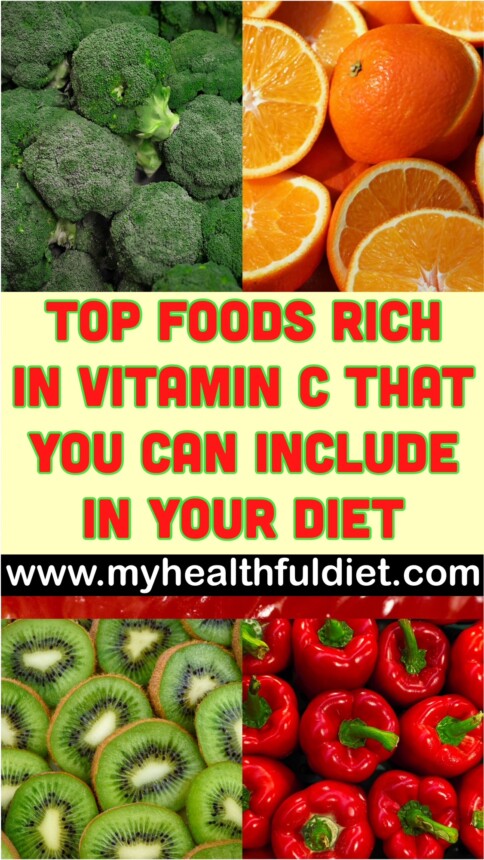 Vitamin C has long been one of the most talked-about nutrients in nutrition. It helps your immune system stay strong, keeps your skin healthy, boosts iron absorption, and protects your body from oxidative stress. The catch? Our bodies can’t make or store it, so getting enough vitamin C every day matters.
Thankfully, you don’t have to look far. Tons of tasty foods are packed with this essential nutrient. Including them in your meals isn’t just good for your health; it makes your food brighter and more interesting. Knowing which foods have vitamin C and how to add them to your diet can genuinely improve your overall well-being.
One of the most well-known sources of vitamin C is citrus fruit, and for many people, oranges are the first thing that comes to mind. Sure, oranges deliver a solid dose, but there’s more out there. Grapefruits, lemons, and limes also have plenty and offer different flavors to play with. Start your morning with a glass of fresh juice or splash some lemon in your water—it’s a simple trick that just works.
Citrus isn’t the only option. Berries are loaded with vitamin C, though most people don’t realize just how much strawberries bring to the table. They’re packed with fiber and antioxidants, too. Blueberries and raspberries aren’t quite as rich in vitamin C, but they still help and taste great. Add some mixed berries on your breakfast or grab a handful for a snack, and you’re already off to a good start for the day.





Tropical fruits aren’t just loaded with vitamin C—they bring a burst of flavor to any meal. Pineapple, mango, and papaya really shine here, packing plenty of vitamin C along with enzymes that help your gut do its job. Add them into a smoothie, toss them in a salad, or just eat them plain. Kiwi deserves a special mention, too. It often has more vitamin C than oranges, so adding a few slices to your routine is an easy win.
Vegetables also play a significant role in providing vitamin C, and in some cases, they surpass fruits in their content. Red bell peppers stand out—they’re super easy to work with and go great raw, roasted, or tossed into a stir-fry. If you chop some up for your salad or stuff them into a wrap, you get a big boost with almost no fuss.
Leafy greens such as spinach, kale, and Swiss chard contribute to your vitamin C intake as well, though they are often recognized more for their iron and calcium content. Mix them into salads, blend them in smoothies, or cook them down for a side dish. They’re simple but add a lot to a meal. Broccoli and Brussels sprouts are worth adding on your plate—they’re packed with vitamin C and fiber, plus other nutrients your body needs.
Tomatoes aren’t just a basic ingredient—they actually pack a solid dose of vitamin C. You’ll get some from fresh tomatoes, tomato juice, and even sauces. Cooking can reduce some of the vitamin content, but tomatoes still remain a worthwhile addition to your meals, especially when consumed in a variety of forms.
And potatoes? Believe it or not, they offer vitamin C too, mostly when you leave the skin on. Just keep in mind your own diet goals—potatoes are good in moderation, but they’re definitely part of the nutrition picture if you prepare them right.
How you treat these foods matters. Vitamin C is pretty touchy—it breaks down with heat, light, and air. So, the more raw or lightly cooked your fruits and veggies, the more vitamin C you’ll actually get. Steaming’s usually smarter than boiling because it doesn’t strip away as many nutrients.
You don’t have to completely change how you eat to get more vitamin C. Just making a few small tweaks makes a real difference. Adding fresh fruit to your breakfast, including a side of vegetables with lunch and dinner, or choosing snacks that naturally contain vitamin C can help you meet your needs without feeling restrictive.
Vitamin C doesn’t act alone, either. It actually helps your body absorb non-heme iron—the kind found in plant foods. If you mix iron-rich foods like spinach or lentils with something full of vitamin C, like bell peppers or citrus, you’ll help your body get more out of your meals.
Sure, there are supplements out there, but honestly, whole foods work better. They give you a mix of nutrients, fiber, and antioxidants all at once—stuff that supports your health in ways a single pill just can’t. Sticking to a balanced diet means you’re getting more than just vitamin C; you benefit from everything those foods have to offer.
The seasons definitely shape what you eat. When fruits and veggies are in season, they taste better and pack more nutrients. Picking locally grown produce doesn’t just boost your health—it keeps your meals interesting and fresh all year.
It’s also worth thinking about what’s easy to find. Many vitamin C-rich foods are widely available and affordable, making it easier to maintain a consistent intake. Even frozen produce works well. Since it’s frozen right when it’s ripe, you still get plenty of nutrients.
Honestly, getting enough vitamin C isn’t about being perfect. You don’t have to load up all at once. Try mixing different sources throughout your day. It’s a much easier and more enjoyable way to stay healthy.
So, reach for a mix—citrus, berries, tropical fruits, leafy greens, and colorful veggies. You’ll naturally cover your vitamin C needs and make your meals better at the same time. Just keep it simple and varied, and healthy habits will fit right into your daily routine.