
Low Impact Exercises for Obese People
 Starting an exercise routine can feel like a lot, especially if you’re dealing with extra weight. High-impact workouts often dominate fitness conversations, but those aren’t always the best fit—sometimes they’re just not safe. For people living with obesity, low impact exercises make a lot more sense. They’re easier on your joints and way more approachable, which helps you actually stick with them.
You’re not trying to punish yourself or transform overnight. The idea is to find something you can keep up with, that doesn’t leave you aching, and helps you get stronger over time. When done right, low impact workouts still get results—no need for all that extra pain.
Why Low Impact Matters
Carrying extra weight really takes a toll on your joints—especially your knees, hips, and lower back. Running or jumping makes things worse, piling on even more pressure and bumping up your chance of pain or injury. That’s why low-impact exercises are so helpful. Low impact exercises minimize this stress by keeping at least one foot on the ground or reducing the force placed on joints.
But don’t think these workouts are a breeze or don’t do much. Stick with them and you’ll boost your heart health, lose weight, get more flexible, and grow stronger. Honestly, the best part is they help you build a routine you can actually follow for the long haul, which beats those random, intense workouts every time.
Walking: The Most Underrated Starting Point
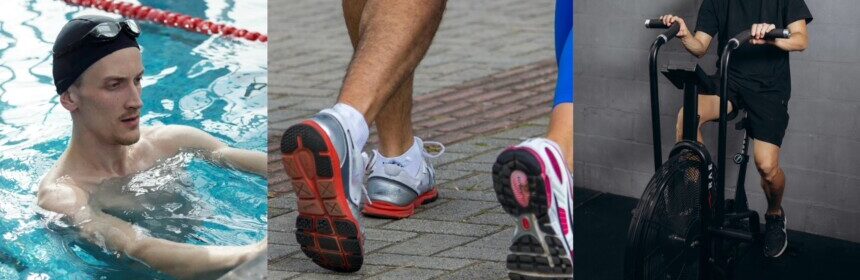
Walking is often overlooked because it seems too simple, but honestly, it’s one of the best and easiest ways to work out. You don’t need any fancy gear, you can do it just about anywhere, and it fits whatever shape you’re in.
If you’re just getting started, try short walks—ten or fifteen minutes is enough to notice a difference. Once you feel better, you can go longer or pick up the pace. The key is consistency. Even if you’re moving slowly, you’re still burning calories, getting your blood flowing, and probably feeling better overall.
For those who experience joint discomfort, try walking on grass or a track to soften things up. And don’t forget good shoes—they make a big difference in keeping your feet and legs feeling good.
Water-Based Movement: Reducing Pressure, Increasing Possibility
When you exercise in water, your body feels lighter. That’s the magic of buoyancy—it takes a lot of pressure off your joints, so you can move around with less pain. But water isn’t just gentle; it pushes back too, which means you’re actually building strength and stamina every time you work out.
Simple activities like walking in the pool or trying a gentle water aerobics class work really well. If you struggle with balance or mobility on land, the water makes things easier. People often find they can do moves in the pool that would normally hurt or just feel impossible outside of it.
And honestly, there’s something about exercising in water that feels less scary. That helps a lot if you’re nervous about starting a new workout routine. It breaks down those mental walls and just makes it easier to jump in.

Stationary Cycling: Controlled and Joint-Friendly
Cycling, especially on a stationary bike, is such a solid low-impact workout. You can easily adjust the resistance and pace, which is great if you’re just starting out or getting back into shape. There’s no need to worry about keeping your balance, rough roads, or dodging traffic like you would outside. And if your back gives you trouble or you have limited mobility, a recumbent bike is a lifesaver—it lets you sit comfortably with good support.
Stick with it, and you’ll feel your heart and legs getting stronger over time. All that without beating up your joints.
Strength Training Without Strain
Building muscle isn’t just for athletes—it actually helps with overall health and makes it easier to lose weight. If heavy weights scare you off, don’t worry. You can make real progress with gentler, low-impact methods.
Simple tools like resistance bands, your own body weight, or even light dumbbells will do the trick. Try things like seated leg lifts, wall push-ups, or supported squats. These moves are easy on your joints and let you build strength a little at a time.
As you get stronger, your joints get more stable. That means you’re less likely to get hurt doing everyday stuff. Eventually, just moving around starts to feel smoother and less of a struggle.
Flexibility and Mobility: Often Overlooked, Always Important
When starting a fitness journey, flexibility and mobility are often neglected in favor of calorie-burning activities. But honestly, these are pretty important. They help loosen stiff muscles, let you move more freely, and prevent injury.
A bit of gentle stretching or slow, controlled movements can really take the tension out of your muscles and joints—especially if you haven’t been active for a while. Tight muscles just make everything harder.
If you start adding some simple mobility exercises before or after your workouts, you’ll probably feel better and perform better too. It doesn’t take much, just a little effort to make everything run smoother.
Listening to Your Body Without Losing Momentum
One of the biggest challenges in starting any exercise routine is finding the balance between pushing forward and avoiding burnout or injury. A bit of discomfort is totally normal; your body’s just getting used to something new. But if you feel sharp pain or soreness that sticks around, that is a sign to slow down.
Taking rest days isn’t failing, it’s actually how you get stronger. Recovery matters just as much as the workouts themselves. The key is to stay consistent over time, even if that means adjusting intensity or duration.
If you pay attention to little wins—like walking longer, catching your breath quicker, or feeling less achy—it really helps keep you motivated. It’s not all about the number on the scale. It’s about seeing the progress in how you feel day-to-day.
Building Confidence Through Routine
Honestly, the toughest part about working out isn’t always the sweat—it’s finding the motivation to begin and staying consistent. Low impact exercises really make a difference. They take the pressure off, making it easier to just start moving without feeling overwhelmed.
Fitting exercise into daily life shouldn’t feel like a chore. Maybe that means adding a few short sessions here and there rather than one long workout. Or maybe it just means picking activities you actually like rather than forced.
Confidence doesn’t show up overnight. But as you get used to moving, it starts to feel normal—less like something you “have” to do, and more like just another part of your day.
The Mental Shift That Makes the Difference
People talk about exercise like it’s a tool to “fix” your body, but thinking that way can make it harder to stay consistent. It’s just not a great headspace to keep you going long-term. A better way is to see movement as something that helps your body—lifting your mood, making daily life easier, and just helping you feel more alive.
That’s where low impact exercise comes in. It emphasizes progress over perfection and consistency over intensity. Instead of beating yourself up over your limits, you focus on your strengths and how you can make small improvements.
Honestly, taking that pressure off makes sticking with it a lot easier. You start to see progress as something you can actually live with.
Nutrition and Movement: A Complementary Relationship
Exercise makes a real difference for your health, but it matters most when you pair it with good nutrition. You don’t need to go for extreme diet—what really works is building eating habits you can actually stick with, ones that give you enough energy and help your body recover.
Low impact workouts do a lot. They can keep your hunger in check, boost your metabolism, and actually make it easier to keep going. When you feel more energetic, you’re just naturally more likely to pick healthier options.
The trick is to focus on slow, steady changes—whether that’s moving a bit more or eating a little better. That’s what sets you up for results that last.
Long-Term Success Over Quick Results
People love the idea of dropping weight fast, but quick results often come at the expense of sustainability. Low-impact exercise is all about playing the long game — progress isn’t about what you see after a few days. You build real change over weeks and months.
Sticking with this kind of workout helps you avoid getting hurt or feeling wiped out and disappointed. Plus, it’s way more likely you’ll keep your results.
At the end of the day, it’s not about how tough your workout feels. It’s about whether you can keep showing up, week after week. Consistency — that’s what makes you successful.
Final Thoughts
Low impact exercise really gives people living with obesity a way to start moving without pushing their bodies too hard. You don’t have to worry about the usual hurdles from traditional workouts—it’s more flexible and easier to stick with.
Honestly, the hardest part is just getting started. Maybe it’s a quick walk, some gentle water exercises, or a little strength work at home. Every bit counts and adds up.
Soon enough, these steady habits make you stronger, boost your confidence, and help you bounce back. That’s what real, lasting change looks like.
