
Situps Workout Benefits

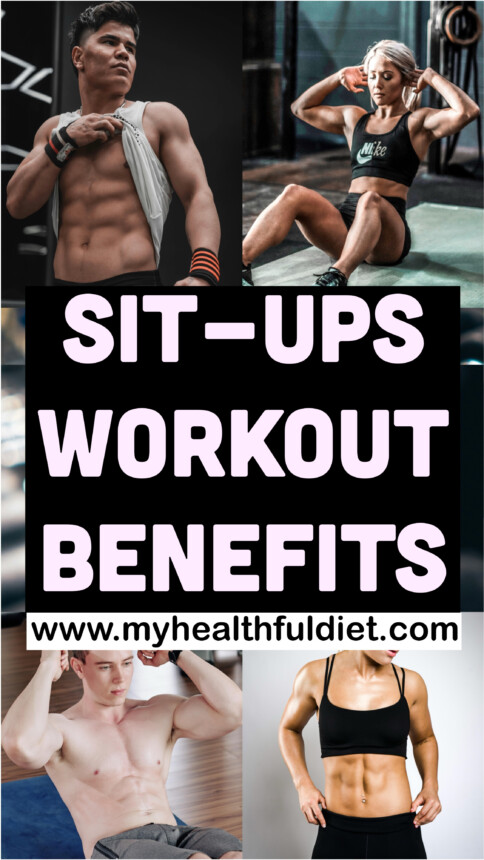 Sit-ups have been around for decades, and people can’t seem to agree on them. Some call them old-fashioned, while others won’t let go of them. The truth sits somewhere in the middle. Sit-ups aren’t some miracle fix for your core, but they’re not a waste of time either. They’re just a basic move that’s easy to do, and they actually offer some benefits if you use them right.
Want a stronger core? Hoping to stand up straighter or move better overall? Sit-ups can help with all of that. But you’ll really get the most out of them if you know what’s going on when you do them, how they work your muscles, and where they fit in with everything else you’re doing.
So, what do sit-ups actually target? They focus on trunk flexion—basically curling your chest toward your legs. The main muscle working is your rectus abdominis, that strip in front people chase for “six-pack” abs. But that’s not all. Sit-ups also light up your hip flexors, stabilizing muscles in your core, and even parts of your lower back.
Sit-ups still matter because they work a lot more than just your abs. They get several muscles firing at once, and that’s not just good for looking fit—it’s good for how your body moves and stays in sync. When you do sit-ups right, you’re teaching your whole body to function as a single, coordinated machine which is something isolated exercises often fail to do.
Probably the first thing you’ll notice from doing sit-ups is a stronger core. But a solid core isn’t only about a six-pack—it’s what helps you with pretty much any movement, big or small. Whether you’re lifting something heavy, bending down, or even just standing for long periods, your core is working in the background.

Sit-ups help build that foundational strength. Stick with them, and you’ll notice everyday things—carrying groceries, standing up straight—don’t feel as tough. That’s because a stronger core takes pressure off the rest of your body. This really matters if you’re someone who sits for long stretches. Those hours at a desk can wreck your core and mess with your posture.
Now, about posture—sit-ups actually help there, too. A lot of bad posture comes from muscle imbalances: tight hips, lazy abs, and stabilizing muscles that just aren’t pulling their weight. Doing sit-ups right gets your spine moving and activates the muscles you need to stay upright.
But let’s be clear, sit-ups alone won’t fix all your posture problems. They’re just one piece. Combine them with exercises for your back and glutes, and you’ll see better results. Still, adding sit-ups means your core gets more balanced, and honestly, that’s always a good move.
People don’t always talk about it, but sit-ups really boost your body awareness. They force you to pay attention—you’re in charge of every part of the move, from how you manage tenion to how you breathe and hold yourself together.
That focus actually sticks with you. If you do sit-ups with control, you start to feel your core working in other things too, like when you’re out for a run or lifting weights. It’s almost like you tune into your body in a new way.
And let’s be real, sit-ups are just convenient. You don’t need fancy gear or a gym. You barely need any space at all. It’s the kind of exercise you can sneak in at home or anytime you have a few free minutes.
The best thing about sit-ups? You can do them pretty much anywhere. That makes it a lot easier to stick with them over time—consistency is what really gets results, not some fancy routine.
A lot of people get the wrong idea about sit-ups and fat loss. Sure, they burn a few calories, but not enough to melt away belly fat. Doing hundreds of sit-ups won’t specifically target belly fat.
Still, sit-ups do matter. They build up your core muscles, and that adds to a more sculpted look once you lose some fat overall and eat right. They don’t erase the fat, but they give shape to the muscles underneath.
And don’t forget the athletic side of things. Plenty of sports need a strong, stable core for running, jumping, or twisting. Sit-ups help train the body to generate force through the midsection, which is useful in sports that involve running, jumping, or rotational movements.
Sit-ups aren’t the most sport-specific move out there, but they lay down a solid strength foundation. That’s huge if you’re just starting out or getting back into exercise.
But let’s be real—sit-ups have their downsides. The biggest complaint is lower back strain. This usually happens when your form slips or your hip flexors start doing all the work. Pulling on your neck or swinging your body up instead of really using your muscles doesn’t help either, and you’ll probably feel it the next day.
The solution is not to avoid sit-ups altogether, but to approach them with intention. Just focus on moving with control, keeping your core tight, and not pushing past what feels good for your body. That’s the key.
It’s also worth acknowledging that sit-ups alone won’t give you a complete core workout. The core isn’t just about flexion—it also involves rotation, stabilization, and resistance to movement. You need things like planks, leg raises, and some rotational exercises to hit every angle. Sit-ups are just one piece of the puzzle.
Sit-ups are still a simple, solid move to keep in your fitness routine. They do a good job at building endurance in your abdominal muscles, and that pays off when you want to handle longer workouts or just keep moving without getting tired.
If you’re after more defined abs, sit-ups can help with that too. Sure, your genes and body fat have a lot to say about how much your abs show, but the muscles under there still matter. Strengthening them gives your core that tighter, more sculpted look.
But you can’t just do a few sit-ups every now and then and expect much. Consistency is key here. Doing them regularly makes the difference. And if you combine sit-ups with eating well and working your whole body, you’re really setting yourself up for better results.
There’s also a mental side people tend to overlook. Sit-ups can get tough, especially when done with proper form and higher repetitions. Pushing through that discomfort builds resilience.
Don’t overlook the mental side of things. Sticking with a workout—especially when it gets boring or tough—matters just as much as the exercises themselves. Even something as basic as sit-ups helps you build that kind of discipline.
It’s also worth mentioning that sit-ups can be easily modified. Beginners can start with crunches or smaller movements. If you’ve been working out for a while, try adding some weight or slowing things down to make it harder.
This scalability makes them suitable for a wide range of fitness levels. You don’t need to be super fit to get started, but there’s always a way to push yourself as you get stronger.
At the end of the day, sit-ups are just one tool in the toolbox. You don’t have to do them, but they’re not pointless either. Done right, they help you build strength, endurance, and body control—important building blocks of real fitness.
The key is balance. You can’t just rely on sit-ups and expect a powerful core, but ignoring them completely means you’re skipping an easy, useful exercise. Mix them into your workouts the right way and you get the good stuff, without blowing their benefits out of proportion.
Sit-ups really show that fitness doesn’t always need to be fancy. Simple moves, done well and done often, usually bring the results you want.
So, keep your expectations real and focus on good form. Sit-ups won’t change your body overnight, but they’ll help build a stronger, more capable one if you stick with them.
