14 Weight Loss Mistakes to Avoid


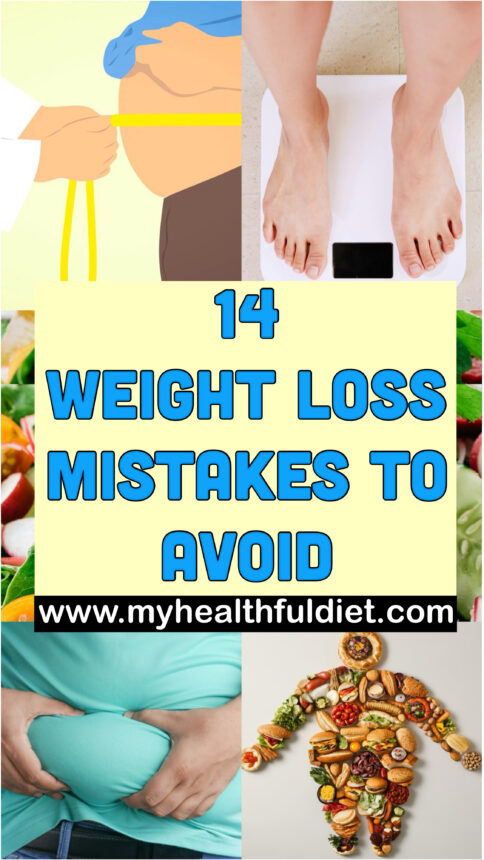 Losing weight isn’t exactly a straight path. There are wins, setbacks, and plenty of moments that test your patience. Most people want fast results, but it’s easy to trip up on the same mistakes everyone else makes. Knowing what those mistakes look like makes all the difference. Here’s what to watch out for—and some real advice on how to stick with it and actually see results.
1. Setting Unrealistic Goals
People often trip up at the start of their weight loss journey by reaching for goals that are just too big. Sure, wanting big changes is good, but if you set goals that are way out of reach, you end up feeling let down and frustrated. It’s better to get real about your goals—make them SMART: Specific, Measurable, Achievable, Relevant, and Time-bound. So, don’t tell yourself you’ll drop 30 pounds in a month. Go for something steady, like 1 or 2 pounds each week. You’ll stay motivated, and you’ll actually stick with it. That’s what gets you results that last.
2. Skipping Meals
A lot of people think skipping meals helps cut calories. But honestly, it often backfires. When you miss a meal, you end up starving later and it’s way too easy to overeat or grab junk food that’s loaded with calories. It works better to stick to balanced meals at regular times. Throw in a few healthy snacks between meals too. That way, your energy stays steady and your blood sugar doesn’t go all over the place.
3. Relying Too Heavily on Diet Foods
These days, it’s tempting to grab anything labeled “healthy” or “low-calorie,” especially with so many diet products out there. But honestly, a lot of these processed foods sneak in extra sugar, unhealthy fats, and weird additives that can mess with your weight loss goals. You’re better off sticking to real, whole foods—think fruits, veggies, whole grains, lean proteins, and good fats. They actually feed your body and keep you feeling full, so you’re less likely to overeat.
4. Neglecting Exercise
Exercise matters a lot when you’re trying to lose weight. Sure, changing what you eat is important, but if you skip out on moving your body, you’re really holding yourself back—not just with weight loss, but your whole health. Try to mix things up: go for a run, take a walk, hop on your bike, or add some strength training—whether that’s lifting weights or just using your own body weight. The American Heart Association says shoot for at least 150 minutes of moderate cardio or 75 minutes of something more intense each week. Honestly, the trick is to pick things you actually like doing. That way, you’ll stick with it, and it won’t feel like such a chore.
5. Focusing Only on the Scale
Tracking your weight helps, but it’s just one piece of the puzzle. Lots of things mess with the scale—water, muscle, even just day-to-day changes. So don’t get fixated on the number. Pay attention to how you feel, how your clothes fit, or grab a tape measure and check your progress that way. And don’t forget those wins you can’t measure with a scale, like having more energy or being able to go longer without getting tired. Those count just as much.
6. Not Staying Hydrated
Water isn’t just important for your health—it actually plays a big role in weight loss, too. A lot of people confuse thirst with hunger, so they end up reaching for a snack when all they really need is a drink of water. Staying hydrated helps keep your appetite in check and keeps your metabolism running smoothly. Try to drink water regularly throughout the day. That old rule of eight 8-ounce glasses (about 64 ounces) is a decent place to start, but everyone’s different. If you’re more active or it’s hot out, you’ll probably need more.
7. Emotional Eating
Emotional eating sneaks in when stress, boredom, or anxiety hit, and it can really throw off your weight loss plans. Start paying attention to when and why you reach for food—you’ll spot those emotional triggers faster than you think. Instead of turning to snacks for comfort, try going for a walk, meditating, or diving into a hobby. A food journal helps, too. Jotting down what you eat and how you feel makes those patterns stand out, so you can do something about them.

8. Ignoring Sleep Quality
People don’t talk about sleep enough when it comes to losing weight, but it actually matters a lot. When you don’t sleep well, your hunger hormones get thrown off, and suddenly you’re craving snacks you wouldn’t even think about if you were rested. Try to get between 7 and 9 hours of good sleep every night. It helps to wind down before bed, put your phone away, and make your bedroom as comfy as possible. Sleep really does make a difference.
9. Being Too Restrictive
When you go overboard with dieting or cut out too much, you just end up feeling deprived. That’s tough to stick with, and honestly, it makes keeping the weight off way harder down the road. Don’t fall into the all-or-nothing trap. Try moderation instead. Let yourself have a treat now and then—it helps satisfy cravings and keeps you from giving up. The real trick is balance. Enjoy different foods, just watch your portions. That’s what really works.
10. Lack of Accountability
Losing weight on your own feels pretty tough. It’s easy to lose steam when no one’s checking in or cheering you on. Find a buddy or join a group—anything that gets you connecting with others. Maybe you sign up for an exercise class, join a weight loss program, or just chat with people in a Facebook group. When you team up, you swap advice, push each other to keep going, and get a little boost when things get hard. Plus, it’s just more fun doing it together.
11. Not Monitoring Progress
To remain on track, regularly monitor your progress. Whether through journaling meals, tracking workouts, or regular weigh-ins, keeping an eye on your progress can help you recognize patterns that are working or need adjustments. This doesn’t mean obsessing over the scale; it’s more about developing a comprehensive view of your journey.
12. Forgetting about Nutrient Balance
Caloric intake is essential for weight loss, but it’s equally important to ensure you’re getting the right nutrients. Just counting calories without considering the nutritional quality can lead to deficiencies and poor health. Focus on a balanced intake of macronutrients (proteins, fats, and carbohydrates) and micronutrients (vitamins and minerals). This approach helps sustain your energy levels and supports overall health.
13. Comparing Yourself to Others
Each weight loss journey is unique, influenced by various factors including genetics, lifestyle, and personal circumstances. Comparing your progress to others can lead to feelings of inadequacy and frustration. Focus on your journey, celebrate your accomplishments, and understand that what works for someone else may not be suitable for you.
14. Underestimating Portion Sizes
Portion control is a critical aspect of weight management that many overlook. Even healthy foods can contribute to weight gain if consumed in large quantities. Learn to understand portion sizes and utilize measuring cups or a food scale if necessary. Mindful eating can also enhance awareness of portion sizes—take the time to savor your meals and listen to your body’s hunger cues.
Conclusion Discover Our Books Below:
So, here’s the thing about losing weight—it takes some real awareness, a bit of patience, and you need a plan that actually fits your life. Skip those usual mistakes and stick with habits you know you can keep up. That’s how you give yourself the best shot at hitting your goals and staying healthy in the long run. Try to build a better relationship with food, move your body in ways you enjoy, and keep your focus on steady, realistic progress. Real change doesn’t happen overnight. The people who reach their goals—and actually keep the weight off—are the ones who make real shifts in the way they live, not the ones chasing quick fixes.