30-Day Fitness Challenge for Beginners: Transform Your Body and Mind


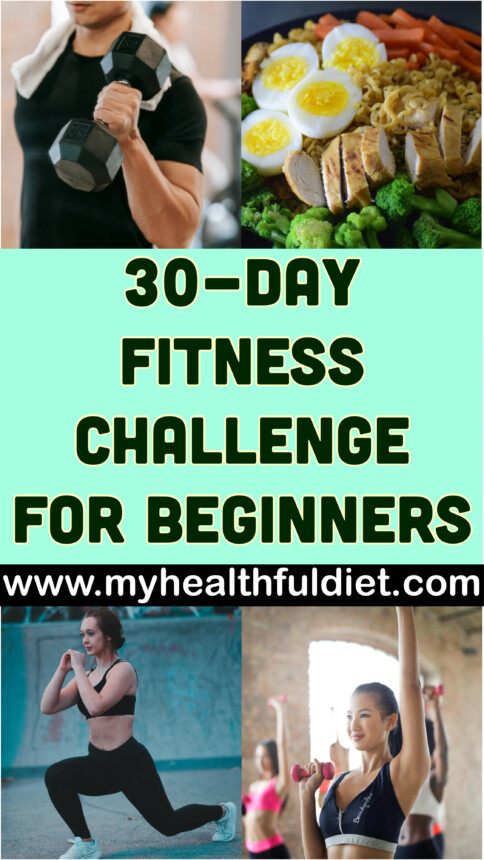 Starting a fitness journey can feel like a lot, especially if you haven’t worked out in ages or you’re brand new to it all. The truth is, you don’t need to live on salads, crush yourself with brutal workouts, or spend endless hours at the gym. What really matters? You show up, you stick with it, and you have a plan. That’s where a 30-day fitness challenge comes in — it helps you reset your habits, get stronger, and boost both your body and your mind.
Forget chasing some impossible body ideal or trying to copy athletes on Instagram. This is about getting stronger, feeling more energetic, and actually liking the person you see in the mirror. Day by day, all those little choices add up. Stick with it for a month, and you’ll be surprised at how much shifts — not just in how you look, but in how you feel.
Here’s something people don’t always tell you: fitness isn’t just about your muscles. Once you start moving regularly, your mindset changes too. Exercise gets your blood pumping, keeps your heart happy, builds up your strength, and fires up your metabolism. It also knocks down stress and floods your brain with endorphins, those chemicals that make you feel good and help you focus. Most beginners notice it fast — within a week or two, you start sleeping better, thinking more clearly, and taking charge of your day.
A good 30-day fitness challenge starts with keeping things real. You’re not flipping your whole life upside down in one night. You’re just setting up habits you’ll actually stick with. That first week? It’s all about getting moving and showing up, not going all-out. Think basic bodyweight moves—squats, push-ups, lunges, planks. They work a bunch of muscles at once and you don’t need any fancy gear. Toss in a brisk walk or some easy cardio for twenty or thirty minutes a day. The point is simple: get your body going and prove to yourself you can keep coming back.

When you hit the second week, things start to shift. Your muscles aren’t as sore, and those exercises that felt impossible? Suddenly, they’re not so bad. Now’s the perfect moment to push yourself just a bit. Add another set to your routine, stretch your cardio by five or ten minutes, or just move a little faster. That’s what progressive overload is all about—slowly making things tougher so your body keeps getting stronger. Even small changes add up.
Nutrition matters, too. You don’t have to follow some strict, joyless diet to see results. What really counts is balance and choosing good stuff. Go for lean proteins, whole grains, fruits, veggies, and healthy fats. And don’t forget about water—especially when you’re working out. A lot of people don’t realize how much hydration can boost your energy and help you recover. Eat well, drink up, and you’ll notice your workouts get easier and your body bounces back faster.
By week three, something clicks. The routine that felt like a chore starts to feel normal—even kind of automatic. That’s when you see the mental gains, too. Suddenly, you find yourself sticking to habits, maybe handling stress at work a little better, or snapping less at home. It’s not just about muscles. Moving your body teaches you to handle discomfort, to keep going when it’s tough. That kind of resilience spills over into everything else.
At this point, mixing things up really helps. Try out different workouts—maybe some low-impact cardio, a bit of interval training, beginner yoga, or even focus on your core. Switching things around keeps you interested and works new muscles. It’s not just good for your body; it actually makes you want to keep going. When workouts feel new and fun, you’re way more likely to stick with them.
Recovery matters more now, too. Taking days off isn’t slacking—it’s how your muscles actually get stronger. Set aside one or two days each week for active recovery. That could mean a gentle stretch, some mobility work, or just taking an easy walk. These lighter days help your body bounce back without wearing you out. And don’t forget sleep. You need a solid seven to nine hours a night to let your muscles rebuild and your energy come back, so you’re ready for whatever comes next.
Closing in on the last week of your 30-day challenge, you’ll probably notice doubt fading away. You’re consistent now. You’ve shown yourself you can move every single day. Physically, you might see small but real changes—maybe you’re standing taller, your muscles feel firmer, you last longer in workouts, and if losing weight was your goal, you’re likely seeing a bit of that too. Most of all, you just feel stronger.
This final week is about fine-tuning and looking back at how far you’ve come. If you want, ramp things up a bit. Grab some light dumbbells or resistance bands, go a little longer on your cardio, or see if you can hold a plank for 15 seconds more. These little pushes remind you of your progress and highlight how much you’ve grown since you started.
One of the best things about starting a beginner fitness challenge is how it changes the way you see yourself. Suddenly, you’re not just someone who “should” work out—you’re someone who actually does. That small shift sticks with you. When you focus on making your habits sustainable instead of perfect, those 30 days can turn into a real lifestyle change.
Progress isn’t always a straight line. Some days, you’ll feel strong and ready to go. Other days, not so much. That’s just life. Don’t get hung up on being perfect—just keep showing up. If you miss a workout, don’t throw in the towel. Pick it back up the next day. Staying consistent matters way more than a few slip-ups.
Tracking your progress helps a lot. Maybe you notice you can do more push-ups, hold a plank longer, or walk farther without getting tired. These numbers tell the story better than the scale ever could. Fitness isn’t just about how you look—it’s about what your body can do.
And honestly, the biggest surprise? The mental boost. Moving your body every day cuts down anxiety, steadies your mood, and makes you feel better about yourself. Every time you finish a workout, it adds to your confidence—not just in the gym, but everywhere else too. You start to really trust yourself.
So, the 30 days are almost up. Don’t treat this like you’ve hit the finish line. Think of it more as a foundation. Real change happens when you take these habits and keep going. Maybe you stick with the same routine, sign up for a gym, try out a few group classes, or just experiment with something new. Doesn’t matter exactly what—just keep moving.
A beginner’s 30-day fitness challenge isn’t about losing a ton of weight or snapping those dramatic before-and-after pictures. It’s about building strength, growing your discipline, and learning to respect your body more. In just one month, you can boost your endurance, lift your mood, and set yourself up for better health in the long run.
Still hesitating? Waiting for the “right time”? Forget it. You don’t need fancy gear, a pricey gym membership, or some secret athletic gene. You just need to show up and start from where you are right now. Thirty days from today, you’ll be stronger, more energetic, and a whole lot more confident.
Transformation doesn’t happen in a single workout. You get it by showing up over and over—one day, one workout, one healthy decision at a time. Start your 30-day challenge now and give yourself the chance to change your body and your mind.