Strategies for Managing Overthinking: How to Find Mental Clarity


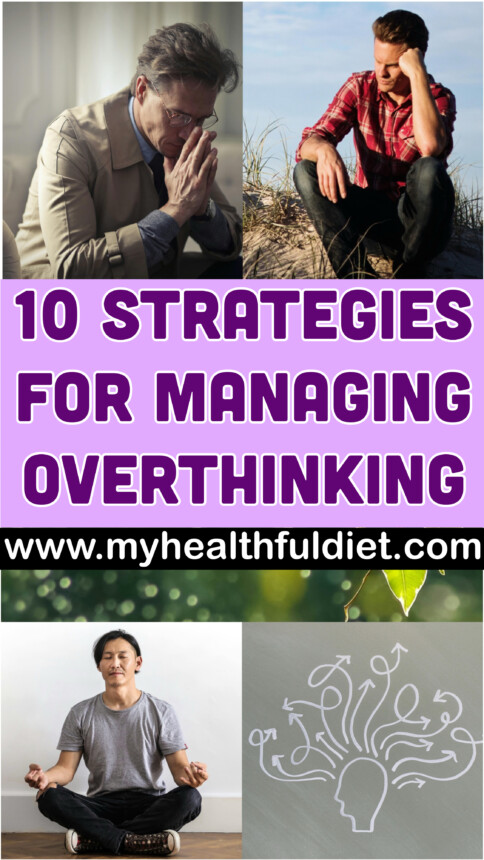 Overthinking feels like you’re stuck on a mental hamster wheel—round and round, the same worries won’t let you go. Tiny choices suddenly seem huge. You replay old conversations, picking apart every word, long after everyone else has moved on. Sure, reflecting is normal. But when you start to overthink, it just wears you out, messes with your judgment, and ramps up your anxiety. It doesn’t actually fix anything.
If you’ve ever caught yourself obsessing over every “what if” or running through every mistake in your head, you’re definitely not the only one. Here’s some relief: you can get a handle on overthinking. Once you learn a few tricks, you’ll find more mental breathing room, see things more clearly, and start making decisions without all that second-guessing.
Understanding What Overthinking Really Is
Overthinking isn’t just about having a lot on your mind. It’s that loop of worry, doubt, or regret that just won’t quit. Usually, it shows up in two ways: you either keep replaying the past, or you spin out about what’s coming next.
When you’re stuck on the past, you go over old conversations, second-guess your choices, and wish you’d said or done things differently. Then there’s the other kind, where you get trapped in those endless “what if” spirals about the future. You imagine every possible scenario, hoping you’ll be ready for anything.
Funny thing is, most people start overthinking because they want to feel in control. You tell yourself that if you just analyze everything enough, you’ll dodge mistakes or disappointment. But really, it just freezes you up and piles on the stress.
Mental clarity starts when you see that more thinking doesn’t always mean better answers. Sometimes, you just have to let go.
Create Awareness Without Judgment
Managing overthinking starts with just noticing it. Most of us slip into it without even realizing—thoughts pop up, feel urgent, and suddenly you’re chasing them down every rabbit hole.
Start by noticing when your thinking shifts from productive to repetitive. Are you actually working through a problem, or just spinning the same worries in circles? Are you learning something new, or just replaying old fears? That difference matters.
The key is to observe your thoughts without criticizing yourself. Telling yourself to “just stop” usually backfires and makes you more stressed. Instead, call it what it is: “I’m overanalyzing right now.” That little moment of honesty takes some power out of the cycle.
When you stop fighting your thoughts and just notice them, they lose some of their grip. Clarity doesn’t come from forcing your mind quiet—it starts when you accept what’s happening.

Separate Problems From Hypotheticals
Overthinking loves uncertainty. When you don’t have all the answers, your mind starts making up stories—most of them never even come true. If you want to see things clearly again, try to separate what’s actually happening from what you’re just imagining.
A real problem is something you can see and do something about. A hypothetical problem? That’s just your brain guessing about what could go wrong. Say you’re getting ready for a presentation—that’s real. Worrying that everyone will secretly hate it and your whole career will fall apart? That’s just a story you’re telling yourself.
Next time you notice your thoughts spinning out, stop and ask, “Is this happening right now?” If it isn’t, you’re probably dealing with a worry, not a fact.
This isn’t about ignoring real risks. It’s about putting your energy where it actually matters—on what you can handle now. You’ll feel more clear-headed when you focus on what’s real and within your reach.
Set Boundaries Around Decision-Making
Overthinking loves to pretend it’s just being careful. You end up digging for more info, comparing every angle, going over things again and again—even when you already have what you need to decide. The real problem? You’re scared of picking wrong, so you stay stuck.
Here’s something that actually works: set a limit. Decide how long you’ll spend weighing your options, and when that time’s up, just pick. Use what you’ve got and move forward.
Let’s be real—no decision feels totally safe. If you keep waiting for that perfect “aha” moment, you’ll probably end up waiting forever. It’s weird at first, but once you get used to living with a little uncertainty, you get more comfortable with it. And honestly, that’s how you build real confidence.
The more you practice making decisions without dragging things out, the more you start to trust yourself. Suddenly, you don’t feel the need to pick apart every little detail. You just go for it.
Shift From Control to Acceptance
Overthinking really comes down to wanting control. You play out every scenario in your head, hoping to dodge failure or embarrassment. But let’s be real—life just doesn’t work that way. No matter how much you plan, you can’t get rid of uncertainty.
The trick is knowing what you can influence versus what you can’t. Sure, you can prepare, communicate well, and make thoughtful choices. But you’ll never control how people react or what’s going on around you.
Once you stop trying to run every detail, your mind eases up. You don’t feel responsible for every outcome anymore. You just focus on being ready and staying true to yourself.
And accepting this isn’t giving up. It’s just knowing where your power ends, and honestly, that takes a huge weight off your mind.
Engage Your Body to Calm Your Mind
Overthinking isn’t just something that happens in your head—it shows up in your body too. When you’re feeling anxious or stressed, your whole nervous system becomes activated. Suddenly, your mind wants answers, so it starts churning out even more worries.
Getting your body moving can break this loop. Even a quick walk helps pull you out of those endless thought spirals. Slow, steady breathing tells your nervous system you’re okay, which dials down the anxiety.
Ever notice how your best ideas pop up when you’re walking, showering, or just doing something mindless? That’s your brain working better when it’s not under pressure.
So, when your body calms down, your thoughts usually follow. Things start to feel a little clearer.
Replace Endless Analysis With Constructive Action
Overthinking tricks you into feeling busy, but really, it just gets in the way of doing anything real. You keep analyzing because actually doing something feels risky. But once you move—even just a little—you start building momentum, and things get less uncertain.
If you’re stuck stressing about a project, just take one real step forward. Worried about a tough conversation? Jot down a few points and put it on the calendar. Can’t decide something? Try out a small version instead of waiting until you feel totally sure.
When you act, you get feedback. That feedback replaces guesswork with real answers, and suddenly, you don’t need to keep spinning in your head.
Clarity comes when you think and move, not just one or the other.
Practice Mental Decluttering
Your brain’s busy all the time—news, social media, work, family stuff, the whole lot. When there’s too much coming in and not enough room to sort it out, overthinking takes over.
One way to clear some space? Cut down on things you don’t need to know. Step back from anything that gets you comparing yourself to others or makes you anxious. Give yourself little breaks during the day—just some quiet time where your mind isn’t bombarded.
Writing helps too. When your thoughts are all tangled up, get them out of your head and onto paper. You’ll start to see patterns, maybe even realize some worries aren’t as big as they seemed. Stuff that felt huge in your mind often looks smaller once you write it out.
You need space for clear thinking. If you don’t have it, your thoughts pile up and turn into static.
Challenge Perfectionism
Perfectionism makes you overthink everything because it whispers that mistakes aren’t allowed. You end up picking apart every word, every decision, just to dodge criticism or that feeling of regret.
But here’s the thing: perfection doesn’t exist. If you chase it, you’ll never feel satisfied. So, instead of asking if something’s flawless, try asking if it’s simply good enough for what you need right now.
Most of the time, moving forward matters more than getting every detail exactly right. When you give yourself permission to be imperfect, you take the pressure off—and that obsessive overthinking starts to fade.
You see things more clearly when you stop demanding perfection and start recognizing when something is actually enough and true to your values.
Strengthen Present-Moment Awareness
Overthinking drags you back to old memories or pushes you into worrying about what’s next. But real clarity? You find it right here, in the present.
You don’t need fancy routines to stay present. Just pay close attention to whatever you’re doing—whether it’s a simple task, a chat with someone, or just looking around. Notice the little things.
If your mind starts spinning in circles, just bring it back. You’ll probably have to do this over and over, and that’s totally fine. The more you practice, the better you get at grounding yourself.
Honestly, the present is almost never as bad as all those worst-case scenarios you imagine. Coming back to now takes the sting out of overthinking.
When to Seek Additional Support
Overthinking often ties back to anxiety, stress, or stuff you haven’t fully worked through. If your thoughts keep barging in, feel impossible to shut off, or really mess with your day, talking to a licensed mental health professional can change everything.
Therapy gives you real ways to manage your thoughts and dig into what’s actually bothering you. Reaching out for help isn’t weakness—it’s you taking charge of your own mental health.
Moving Toward Sustainable Mental Clarity
Managing overthinking isn’t about turning your mind off. It’s about finding a healthier way to deal with your thoughts. You start to notice them, question them, and steer them in a better direction—even when things feel uncertain.
Clarity doesn’t mean your mind goes quiet. It just means you can think things through without getting stuck in the same old loops.
Once you get better at noticing what’s going on, setting boundaries, taking action, and letting go of what you can’t control, overthinking loses its hold on you. Your choices get steadier. You focus your energy. The conversation in your head evens out.
Mental clarity isn’t something you win once and keep forever. It’s something you practice, and the more you stick with it, the stronger it gets.
So, when you catch yourself spiraling, stop for a second. Take a breath. Ask yourself if your thoughts are actually helping right now. Then pick one small thing you can do next.
Keep doing that, and eventually you break out of the overthinking cycle. You find your way back to clear, steady thinking.