13 Common Health Myths and Facts: What You Really Need to Know


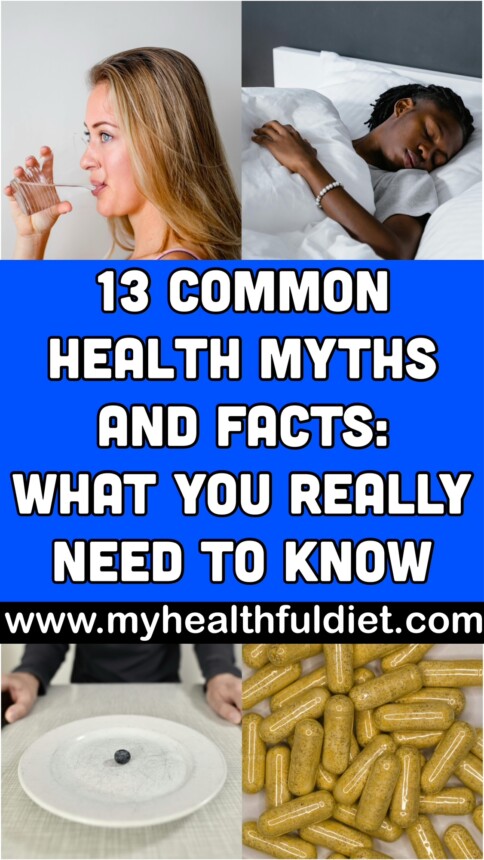 You can’t escape health advice these days. It’s all over social media, popping up in conversations, and flooding the internet. Plenty of these tips are helpful, sure, but a lot of them are totally misleading or just plain wrong. These myths often stick around because they sound believable or are repeated so often that people assume they must be true. The problem is that following inaccurate health advice can lead to poor decisions, unnecessary worry, or even harm.
Let’s take a closer look at some of the most common health myths and the facts that set the record straight.
One of the most persistent beliefs is that drinking eight glasses of water a day is a strict requirement. While staying hydrated is essential, the “eight glasses” rule isn’t a one-size-fits-all standard. How much water you need really depends on factors like your age, how active you are, where you live, and your health. Plus, you get fluids from what you eat—fruits and veggies count, too. So, you don’t have to stress about reaching an exact number. Just listen to your body. If you’re thirsty, or if your urine is darker than usual, or you feel unusually tired—that’s your body asking for more water. That’s what matters most.
Another widely accepted myth is that eating fat makes you fat. This idea gained popularity decades ago when low-fat diets became a major trend, but it just isn’t that simple. All fats aren’t the same. The healthy ones you find in nuts, seeds, avocados, and olive oil actually do a lot for your body—they help your brain, keep your hormones working right, and support your overall health. The real issue with weight gain is eating more calories than you burn, not just eating fat. Plus, having good fats in your meals can leave you feeling full and satisfied, which makes it easier to stick to better eating habits.
Skipping meals is another common mistake. Sure, it sounds like it should work—eat less food, weigh less—but the body doesn’t always respond that way. When you skip meals, your metabolism can slow down, your hunger increases, and you’re more likely to eat too much later on. Blood sugar drops too, so you might end up tired, cranky, and reaching for quick fixes. Really, steady, balanced meals and paying attention to what you eat do a lot more for healthy weight management than skipping meals or following strict rules ever will.

A lot of people believe they need special detox diets or cleanses to get rid of toxins, but that’s not really true. Your body already knows how to handle toxins—your liver, kidneys, and digestive system are doing that job nonstop. Most of the detox products you see have little to no solid science behind them. Some can even do more harm than good, especially if they’re super restrictive or use questionable supplements. If you really want to help your body, stick to basics: eat a balanced diet, drink plenty of water, and get enough sleep.
Exercise myths are everywhere, too. One example is the belief that you need to work out intensely every day to see results. Sure, regular exercise matters, but giving your body time to rest and recover is just as crucial. If you overdo it, you risk burning out, getting injured, or just feeling exhausted all the time. Muscles actually get stronger during recovery—not while you’re working them. Mixing active days with rest days usually works better in the long run than constantly pushing yourself to your limits.
A lot of people still believe you can lose fat from a specific part of your body just by working that spot. You’ve probably heard someone say crunches will burn belly fat, right? That’s the idea behind “spot reduction.” But honestly, your body doesn’t work that way. Fat loss happens all over and depends a lot on your genes, diet, and how active you are. Sure, you can strengthen the muscles under that fat by focusing on certain exercises, but that won’t magically erase fat from one area.
Then there’s the myth about catching up on sleep during the weekend. It might feel good to sleep in after a rough week, and maybe you’ll feel a little less tired, but it doesn’t really fix what you lost from not sleeping enough. Your body likes consistency. Going to bed and waking up at random times throws off your internal clock, which can mess with your mood, your ability to focus, and how you feel overall. Prioritizing regular, quality sleep each night is far more beneficial than trying to make up for lost rest later.
There’s also a common assumption that natural products are always safer or better than synthetic ones. Sure, the word sounds nice, but natural doesn’t guarantee safe. In fact, some natural substances can mess with your medications or have unpleasant side effects. On the flip side, plenty of synthetic products go through serious testing to make sure they’re safe and actually work. What really matters is the evidence, not the label. If you’re thinking about starting new supplements or treatments, talk to a healthcare professional first—it’s just common sense.
Then there’s that old tale about cracking your knuckles causing arthritis. Almost everyone’s heard it, usually as a warning from someone in the family. But studies haven’t found any real connection between cracking your knuckles and developing arthritis. That popping sound? It’s just gas bubbles in the joint fluid—not your bones wearing down. So, while your knuckle-cracking might annoy the people around you, it’s probably not going to damage your joints like people say.
A lot of people think you have to sweat a lot for your workout to actually count, but that’s not true. Sweating just means your body’s cooling itself off—it doesn’t say much about calorie burn or whether the workout’s any good. You can do yoga or lift weights and barely break a sweat, yet you’re still getting real health benefits. What actually matters is how you feel, how far you’ve come, and whether you’re sticking with it. That’s a smarter way to judge if your workouts are working.
Mental health is another area where myths can cause harm. A common misconception is that mental health issues are a sign of weakness or something people can simply “snap out of.”That’s just not the case. Mental health conditions are messy—they’re shaped by so many things, from biology to life circumstances. Like any physical illness, mental health problems need understanding, support, and sometimes professional help. When you realize that, it gets easier to let go of stigma and reach out for the help you need.
Then there’s the myth about vitamins. People assume more vitamins mean better health, but honestly, taking loads of supplements isn’t always safe. Your body needs balance, not excess. Most of the time, you’re better off getting nutrients from a mixed diet instead of relying heavily on supplements —unless your doctor says otherwise.
Let’s be honest—one of the trickiest health myths out there is thinking there’s a single formula that works for everyone. In reality, health is highly individual. What works well for one person may not work the same way for another. Factors like your genes, your daily routine, where you live—even just your personal tastes—all shake up what works best for you. This is why personalized approaches to diet, exercise, and overall wellness tend to be more effective than following rigid, one-size-fits-all advice.
Understanding the difference between myths and facts is an important step toward making better health decisions. It cuts through the confusion and lets you focus on what actually matters. When you trust solid information and don’t just accept the loudest voices, you give yourself a shot at building habits that actually stick and do you good over time.
There’s a lot of noise out there—quick fixes, big promises—so taking a breath and checking out the facts pays off. Health isn’t about chasing perfection or jumping on extremes. It’s really about finding balance, sticking with what works, and making choices that you feel good about. So, forget the myths, stick to what’s true, and you’ll approach your health with a lot more confidence and realism.