How to Improve Oral Health Naturally

 Oral health is often treated as a separate part of overall wellness—just something you handle with a toothbrush and maybe a dentist visit once in a while. But honestly, your mouth is way more connected to the rest of your body than most folks realize. Gum inflammation, for example, links up with heart disease, messes with blood sugar, and even ties into memory problems. If you’re looking to boost your oral health naturally, it’s not about skipping the dentist. It’s about building habits that help your mouth stay healthy every day, from the inside out.
Many people grow up believing that brushing harder or using stronger products equals better results.That’s not really how it works. What your mouth actually needs is balance. There’s this whole community of bacteria in there—the oral microbiome. When the bad bacteria take over, you start running into issues like cavities, gum disease, and breath that won’t quit. So, if you want to improve your oral health naturally, focus on keeping things in balance instead of fighting them all the time.
Brushing remains essential, but how you brush matters a lot more than how hard you go at it. Use a soft-bristled brush and take your time twice a day. That gets rid of plaque without scraping up your gums or wearing down your enamel. When people brush too hard, they can actually make things worse—causing gum recession and enamel loss. Most experts, like the American Dental Association, recommend fluoride toothpaste since it keeps your enamel strong and helps prevent cavities. If you want something more natural, look for toothpaste with hydroxyapatite. It’s a mineral that works a lot like your teeth’s own enamel and helps them stay strong.
Flossing really does make a difference. Bits of food and plaque get stuck between your teeth—your toothbrush just can’t reach those spots. Leave them there, and bacteria move in, feeding on the leftovers and produce acids that that mess with your gums and wear down your enamel. If you floss every day (or use a water flosser), you cut down on gum inflammation and lowers the risk of gum disease. What matters most is sticking with it. A regular, low-key routine beats random, intense cleaning sprees every time.

What you eat shapes your oral health way more than people realize. Sugar feeds harmful bacteria, which then produce acid that weakens enamel. But it’s not just candy and soda you need to watch. Snacking on chips, sipping sweetened coffee, fruit juices—if you’re doing that all day, your mouth stays acidic for hours. Instead of focusing solely on cutting sugar, consider reducing how often you expose your teeth to it. Give yourself some time between meals so your saliva can step in, neutralize the acid, and patch up early damage.
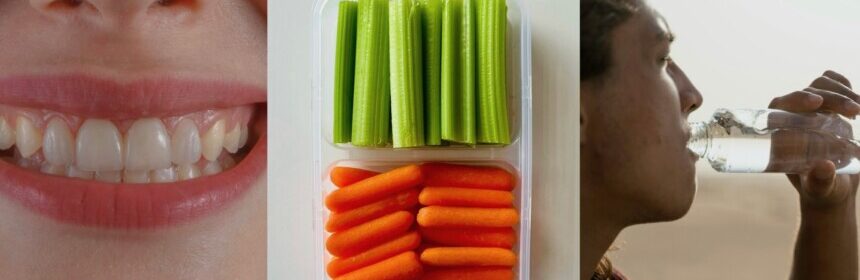
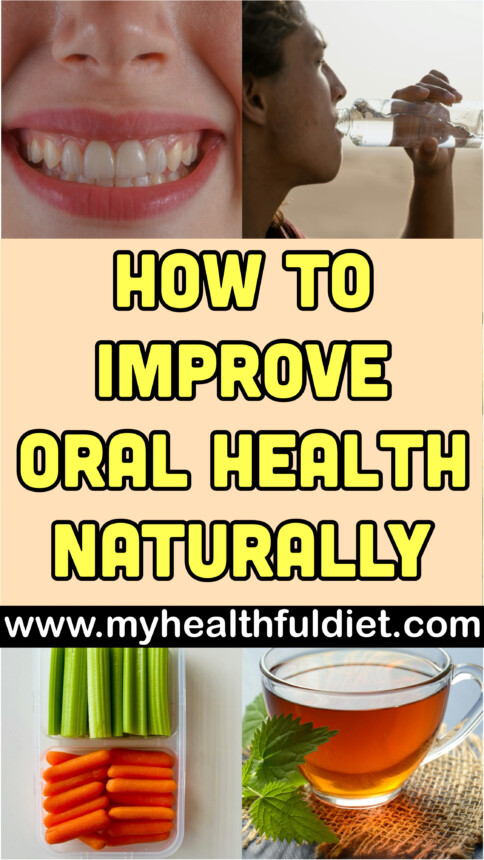
Whole foods do your mouth a lot of favors. Crunchy veggies like carrots or celery? They get your saliva flowing and even help scrub your teeth a bit. Leafy greens load you up with calcium and folate, which are great for your gums. Dairy—think yogurt or cheese—brings in calcium and phosphates that help rebuild enamel. Even green tea contains compounds that may reduce bacterial growth and inflammation in the mouth.
Don’t overlook hydration. Saliva is your mouth’s natural defense system. It washes away food particles, neutralizes acids, and delivers minerals to teeth. If you’re dehydrated, you make less saliva, and that opens the door for cavities and bad breath. So, drink water throughout the day, especially after you eat. And if your tap water has fluoride, you get bonus protection against cavities—public health experts, including the Centers for Disease Control and Prevention (CDC), stand by that.
People also like to talk about oil pulling for natural dental care. It’s an old practice where you swish something like coconut oil around your mouth for a few minutes before spitting it out. While it should not replace brushing or flossing, some studies suggest it may reduce certain bacteria and improve gum health when used as a complementary practice. If you choose to try oil pulling, just see it as a little extra—not a miracle fix.
The way you live has a bigger impact on your oral health than you probably realize. Smoking and using tobacco? That’s a fast track to gum disease and oral cancer. Drop the habit, and your gums actually get healthier and less inflamed over time. Stress doesn’t help, either. When you’re always tense, your immune system doesn’t work as well, so bacteria have an easier time causing trouble in your mouth. Finding ways to manage stress—like working out, getting enough sleep, or just taking a few minutes to breathe—really helps your gums and keeps your mouth in better shape.
Sleep connects to oral health, too. Conditions like dry mouth often worsen at night, especially if you breathe through your mouth while sleeping. Since you make less saliva when you’re asleep, your teeth are more at risk for cavities. Clearing up nasal congestion, running a humidifier, or talking to your dentist if your mouth always feels dry at night can make a real difference.
It’s also smart to pay attention to the little signs your mouth gives you. Bleeding gums? That’s never just “normal,” even if it seems common. Ongoing bad breath could mean gum disease or something off with your mouth’s bacteria. If hot or cold foods suddenly make your teeth ache, you might have worn enamel or exposed roots. Rather than ignoring these symptoms, view them as signals that your routine may need adjustment.
Dental checkups are still the foundation for keeping your mouth healthy. Cleanings at the dentist get rid of tartar you can’t reach with a toothbrush. Spotting cavities or gum problems early saves you from tougher treatments later. The World Health Organization points out that oral diseases are some of the most common noncommunicable diseases in the world, but most of them don’t have to happen if you take care of your mouth. Natural strategies are great, but they work best when you team them up with advice from your dentist.
Honestly, one of the best ways to protect your enamel is to just pay attention to the little habits that wear it down. Acidic drinks—think soda, sports drinks, even lemon water—can soften your enamel. If you do consume acidic foods or beverages, rinse your mouth with water afterward and wait at least 30 minutes before brushing. Brushing immediately after acid exposure can increase enamel damage because the surface is temporarily softened.
Chewing sugar-free gum with xylitol helps too. Harmful bacteria can’t really use xylitol, and chewing gum gets your saliva flowing, which neutralizes acids and helps your teeth recover. While it is not a replacement for brushing, it can be a useful addition to your routine, particularly after meals when brushing is not possible.
Taking care of your teeth naturally isn’t about being perfect. It’s about sticking to simple, steady habits that help your mouth do its job. Gentle brushing, regular flossing, eating well, staying hydrated, and keeping stress in check—these are your basics. Cutting out tobacco, keeping sugar in check, and paying attention to early warning signs all make a big difference.
The key is to pick a routine you’ll actually stick with. Something complicated that you drop after a couple weeks won’t help. But a simple routine you keep up, year after year—that’s what really matters. You won’t see a huge change overnight, but those small things you do every day add up.
Once you start seeing your mouth as just another part of your overall health—not something separate—taking care of your teeth and gums starts to mean a lot more. It’s not just about avoiding cavities anymore. You’re really looking out for your long-term health.
Natural habits make a big difference because they work with your body, not against it. When you focus on things like keeping your mouth’s bacteria in balance, strengthening your enamel the right way, and sticking with simple, steady routines, you end up with a healthier smile—without any drastic changes. Your teeth feel cleaner, your gums stay happier, your breath gets fresher, and, honestly, you just feel more confident.
Improving your oral health naturally isn’t some quick fix. It’s about showing up every day and making those small choices stick. And once that’s part of your daily life, the benefits go way beyond just your teeth.