Balanced Diet Plan: What to Eat for Optimal Health
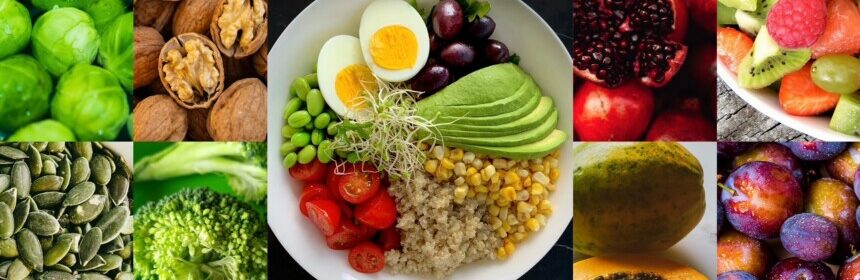

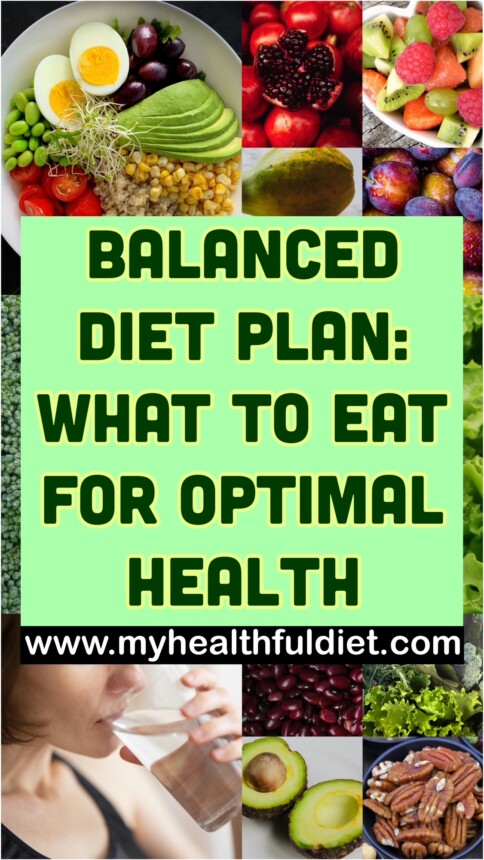 A balanced diet is one of the most powerful tools for maintaining good health, supporting energy levels, and preventing chronic disease. But with all the conflicting nutrition advice out there, figuring out what a “balanced” diet actually looks like can get confusing. Honestly, it’s not about following strict rules or jumping on the latest diet trend. It’s really about making sure your body gets the right nutrients each day so you feel good and stay strong.
Balance starts with variety. One food can’t give you everything you need, so mixing things up matters. Each food offers its own blend of vitamins, minerals, protein, fats, and carbs. When your meals include a good mix of these, your body works better—repairing itself, keeping hormones in check, and running your metabolism smoothly.
Carbohydrates often get a bad reputation, but they are the body’s primary source of energy. The key is choosing the right types. Whole, unprocessed carbs—think vegetables, fruits, whole grains, legumes—pack fiber and nutrients with that energy boost. They take longer to digest, so your blood sugar stays steady and you avoid that mid-afternoon crash. On the other hand, refined carbs like sugary treats and white bread give you a quick rush, then leave you feeling worn out and hungry not long after.
Protein plays a central role in building and repairing tissues, supporting muscle health, and contributing to immune function. When you add some protein to every meal, you’ll feel fuller and keep your body strong.Good sources include lean meat, fish, eggs, dairy, beans, lentils, tofu, nuts—they’re all good. The trick isn’t eating tons of it, but spreading your protein out across your meals so your body has steady support throughout the day.

Healthy fats are another essential component of a balanced diet. For years, people avoided fat, but the right kinds are actually great for you—they keep your brain sharp, balance your hormones, and help your body soak up fat-soluble vitamins. Look for unsaturated fats in foods like avocados, nuts, seeds, and olive oil. They’re especially good for your heart, especially when you use them instead of saturated or trans fats you find heavily in most processed foods.
Don’t forget about fruits and vegetables. They’re loaded with vitamins, minerals, antioxidants, and fiber—basically everything you need to fight off inflammation and keep your body running smoothly. Plus, they support good digestion and give you that boost of energy and well-being. If you’re not sure what to choose, just go for a mix of colors. Leafy greens, bright berries, orange veggies, and those dark, purple ones—they all bring something different to the table.
Staying hydrated is often overlooked but is just as important as food. Water supports digestion, nutrient transport, temperature regulation, and detoxification processes. Even being a little dehydrated can mess with your ability to focus, your mood, and your performance. So, try making water your main drink, and keep sipping it throughout the day—it’s simple but makes a real difference.
Being aware of how much you’re eating makes a big difference. Even the healthiest foods can work against you if you overdo it. Instead of obsessing over calories, just pay attention to your hunger and fullness—let your body tell you when it’s had enough. Slowing down at meals helps too. When you eat mindfully and take your time, you’re way less likely to accidentally eat more than you need.
Consistency matters more than perfection. Honestly, it’s the pattern that counts, not flawless meals every single day. Let yourself enjoy treats once in a while; that’s totally normal and doesn’t mean you’ve messed up. As long as most of your meals are built around whole, nutrient-rich foods, you’re on the right track. Your diet’s overall shape matters much more than any single meal or snack.
Meal timing matters too. Regular meals help maintain stable energy levels and prevent extreme hunger, which can lead to poor food choices. Skipping meals might sound harmless, but it usually backfires—you end up overeating later or reaching for quick, processed food. Building a routine that includes balanced meals, and maybe a snack or two if you need it, keeps you energized and focused all day.
Everybody is different, so it makes sense to think about your own needs when it comes to eating well. Things like age, how active you are, your health, and what you want to achieve play a big role in what your body actually needs. Take someone who is on their feet all day with a tough job—they’re going to need more calories and protein than someone who spends most of the day sitting. And if you’re dealing with specific health issues, you might need to pay extra attention to certain nutrients. Listening to your body and, when necessary, seeking guidance from a qualified professional can help tailor a diet that works best for you.
But let’s talk about the food itself. What you eat matters just as much as how much you eat. Whole foods—especially ones that are not loaded with additives or processed to death—pack more nutrients and fewer things you don’t want, like extra sugar and bad fats. Cooking for yourself gives you a lot more control over what ends up on your plate. And honestly, simple methods like grilling, baking, or sautéing can make food taste pretty great without wrecking its nutrition.
There’s more to eating than just fuel, though. Food connects people, shapes culture, and carries a ton of memories. Sharing meals brings people closer and boosts your overall happiness. Still, it’s easy to fall into the trap of eating out of boredom or stress. Noticing when you do that is half the battle. When you spot those patterns, try to swap in other ways to cope—maybe go for a walk or practice some deep breathing instead. In the end, finding that balance makes food something to enjoy, not stress over.
People are thinking more about sustainability when it comes to what they eat. It’s not just about nutrition anymore—it’s about making choices that feel good for the planet, too. Eating more plants, making sure you don’t waste food, and caring about where your food comes from—all of that matters. Sure, some people might not put this at the top of their list, but if you do, it can add some extra value to your daily meals.
A balanced diet isn’t about following strict rules or chasing the latest trends. It’s more like building habits that last: mixing things up, not overdoing it, and staying steady. When you reach for whole foods, drink enough water, and pay attention to what your body actually needs, you end up with a way of eating that helps you feel good and supports your health long-term.
You don’t have to be perfect—what matters is building habits you can actually stick with. It’s those small choices, repeated day after day, that really add up. Maybe you add an extra handful of veggies on your plate, pick whole grains over white bread, or start carrying a water bottle everywhere you go. Over time, these little shifts start to make a real difference.
Honestly, eating well isn’t about cutting out all the foods you love or following strict rules. It’s about fueling your body so you feel your best, but still enjoying your meals. When you approach healthy eating with some flexibility and pay attention to what your body needs, it just becomes a regular, rewarding part of your routine.