How Diet Affects Mental Health: The Overlooked Connection Between What You Eat and How You Feel


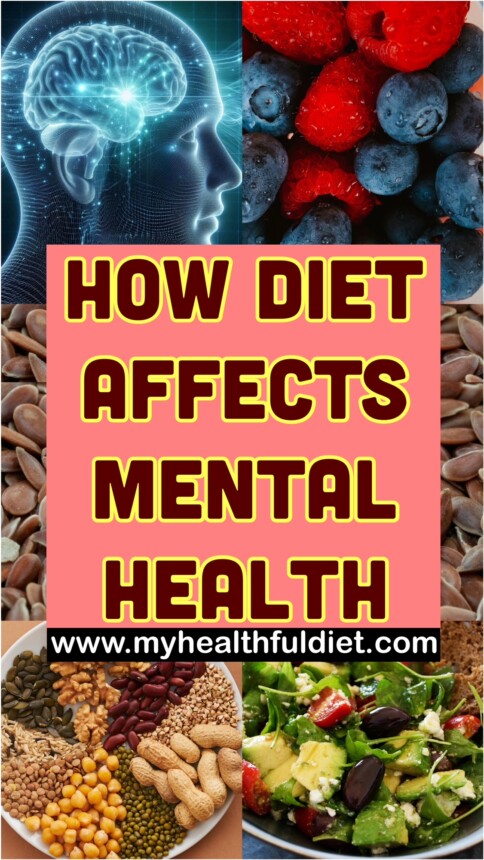 The relationship between diet and physical health is widely accepted, but the connection between what we eat and how we feel mentally is often underestimated. Lately, more and more studies point out that nutrition isn’t just about weight or energy levels—it actually matters for how we feel and think each day. Food won’t cure mental health struggles, but it does make a real difference. It influences how the brain works, how sharp we feel, and how we bounce back from stress, anxiety, or even depression.
The brain sits right at the middle of all this. It needs a steady stream of nutrients to stay sharp—just like your heart or your muscles, really. Vitamins, minerals, healthy fats, amino acids—a good mix keeps things running. But if your meals don’t deliver, you’ll start to feel it. When the diet lacks these essential components, it can lead to subtle but important changes in mood and mental clarity.
Diet shapes mental health in some surprising ways, especially when it comes to neurotransmitters—the chemicals behind our mood, sleep, and emotions. Take serotonin, for example. People call it the “feel-good” neurotransmitter, and what you eat has a real impact on its levels. Oddly enough, most serotonin actually comes from your gut. That’s why people sometimes call your digestive system the “second brain.” Foods packed with tryptophan—think eggs, dairy, or nuts—can give your serotonin production a boost. When the diet is unbalanced or overly processed, this system can become disrupted, potentially contributing to low mood or irritability.
Then there’s blood sugar. Diets full of refined sugars and simple carbs make your blood glucose spike and crash. Those wild swings don’t just zap your energy—they mess with your mood and focus. Over time, you end up on a not-so-fun emotional rollercoaster. If you swap those foods for complex carbs, protein, and healthy fats, your energy stays steady and your mind feels sharper. Meals like that keep your mood and focus on track, all day long.

The gut microbiome also plays a significant role in mental health. We’re talking trillions of bacteria living in your digestive tract, quietly helping with everything from controlling inflammation to actually influencing the way your brain communicates. If you eat lots of fiber, plenty of fruits and veggies, and add some fermented foods, you help these microbes thrive. But eat a bunch of processed junk and skimp on nutrients, and your gut starts to struggle. That’s been tied to more anxiety and depression. There’s this whole two-way conversation happening between your gut and your brain, something scientists call the gut-brain axis, and they’re learning more about it all the time. Turns out, these two systems are pretty much in constant contact.
Diet also shapes mental health through the way it affects inflammation. If your body is dealing with constant, low-key inflammation, your risk for depression and other issues goes up. Diets loaded with processed foods, trans fats, and added sugars are big culprits here—they ramp up inflammation. On the flip side, foods like leafy greens, fatty fish, whole grains, and nuts can dial down that inflammation. They’re packed with antioxidants and omega-3s, which help your brain and may even drop your risk for depression.
Micronutrients, though needed in small amounts, are equally important. If you’re low on vitamins and minerals like vitamin D, B vitamins, iron, magnesium, or zinc, it can really mess with your mental health. Take vitamin D, for instance—if you’re not getting enough, you might notice your mood dipping. Not enough B vitamins? Suddenly, you’re tired and your mind feels foggy. That’s why mixing up your diet and keeping it balanced goes a long way for your brain’s health.
Now, let’s talk about water. Most people forget about hydration, but it quietly makes a huge difference in how you feel. Just being a little dehydrated can leave you foggy, cranky, or drained of energy. When you don’t drink enough, it gets pretty hard to focus, and that wears you down even more if you’re already stressed or anxious. Drinking enough water really does help keep your mind and body running well.
Let’s talk about caffeine and alcohol. Both come up a lot when we think about diet and mental health. Caffeine, for example, gives you a nice boost when you use it in moderation, but if you go overboard, you might feel jittery, anxious, and find it harder to get good sleep. Then there’s alcohol. Even though a lot of people reach for a drink to unwind, over time it ends up working against you. It messes with your sleep, throws off your brain chemistry, and can leave you feeling down or anxious. Everyone reacts differently, so it’s important to know your own limits to keep things in balance.
It’s not just about what you eat, either. When and how you eat makes a difference, too. If you skip meals or eat at random times, you set yourself up for crashes in energy and mood swings. Sticking to regular meals, and making sure you’re getting a good mix of nutrients, helps you keep your energy up and your mood steady. Paying attention while you eat—really noticing when you’re hungry and enjoying your food—can make a big difference, too. It helps you build a better relationship with eating and takes a lot of the stress out of mealtimes.
Food isn’t just about nutrition — it’s about who we are, how we connect, and the everyday routines that shape our lives. Cooking and eating together brings comfort, stability, and a sense of belonging. On the flip side, when eating habits get too rigid or controlled, stress tends to creep in. Sometimes, this even leads to unhealthy relationships with food, which tie directly into mental health struggles. A flexible, balanced approach to eating just works better in the long run. It’s easier to stick to, and it supports both your body and your mind.
Still, the world we live in doesn’t exactly make healthy eating easy. Everywhere you look, there’s quick, processed food ready to grab — and the ads never stop. Sure, there’s nothing wrong with having these foods now and then, but leaning on them too much messes with your overall nutrition. That often shows up in how you feel, physically and mentally. It helps to pay attention to what you’re eating and make small, steady changes. Over time, those changes really add up.
Of course, diet isn’t the only thing affecting mental health. Genetics, stress, your environment, sleep, and exercise matter a lot too. But while you can’t control everything, you usually have some say over what you eat. Simple habits — like adding more whole foods, cutting back on sugar, and drinking enough water — make a real difference. They clear your mind and help even out your mood.
If you’re dealing with serious mental health issues, changing your diet isn’t a substitute for real treatment. Food can definitely help, but it works best when it’s added to therapy, medication, and the rest of your care. It really helps to check in with your doctor or a registered dietitian — they can help you figure out a plan that fits both your mental and physical needs.
At the end of the day, diet and mental health are closely connected—and it’s not always simple. The food you eat doesn’t just give you energy; it actually shapes your mood, your thoughts, and even how you handle stress. Paying attention to what you eat, and making smarter choices, can give your body and your mind a better shot at feeling strong and balanced.