How to Reduce Bloating Fast: Effective Tips for Instant Relief

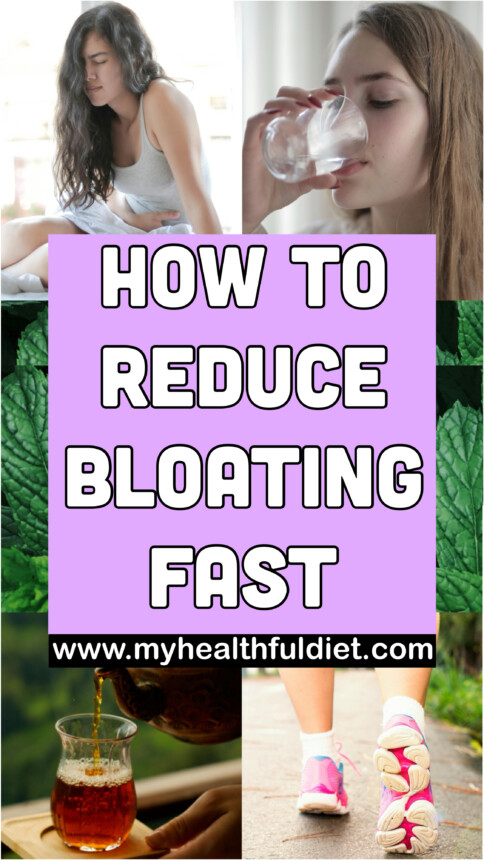
Bloating can make even the healthiest person feel uncomfortable, sluggish, and frustrated. You’re going about your day, feeling fine, then suddenly your stomach feels tight and uncomfortable. Sometimes it’s after a big meal, sometimes it’s tied to your period, and other times it just shows up out of nowhere. It throws you off, slows you down, and honestly, it can make you feel self-conscious.
But here’s the thing: you can often get rid of bloating pretty quickly if you know what’s behind it. Figuring out what triggers it and how your body reacts is really the first step to feeling better fast.
What Causes Bloating in the First Place?
Bloating usually shows up when there’s too much gas hanging around in your gut, or when your body holds on to extra water. Sometimes, it’s just that your digestion slows down and food sticks around longer than it should. There are a bunch of things that kick it off — eating too much, wolfing down your meals, salty or processed foods, hormones doing their thing, stress, or certain food intolerances.
Drinks with bubbles, fake sweeteners, beans, broccoli or cabbage, and dairy (if you’re lactose sensitive) can all puff up your belly for a while. For some people, bloating comes and goes. Others deal with it more often, especially if they’ve got something like irritable bowel syndrome.
Now, if your bloating is really bad, sticks around, or comes with a lot of pain, sudden weight loss, or weird changes in your bathroom habits, reach out to a doctor. But for the usual, once-in-a-while bloating, you’ve got some simple tricks to make it go away faster.
Start with Gentle Movement
When you’re feeling bloated, it’s tempting to just lie down and hope it passes. Funny thing is, lying down often makes that puffy feeling worse. Getting up and moving, even a little, helps your body get things moving inside too.
A quick 10- to 15-minute walk can honestly do wonders. Moving gets your gut muscles working, which pushes food and gas along so you feel better, faster. You don’t have to hit the gym or push yourself hard—actually, tough workouts right after a meal can backfire and make you feel more uncomfortable. Simple stuff like light stretching, some gentle yoga twists, or just standing up straighter instead of slouching can ease some of that pressure.
If you’re stuck at your desk or on the road, try walking around for a few minutes or take the stairs. Even those small moves help shake off that heavy, bloated feeling much more than just sitting still.

Sip Warm Fluids
Warm drinks really do make a difference for your digestion. Sipping on herbal teas like peppermint, ginger, or chamomile can calm your gut and help everything move along more smoothly. Peppermint, for example, relaxes the muscles in your digestive tract so gas passes more easily. Ginger helps your body digest food and can even cut down on inflammation. Chamomile doesn’t just taste nice — it soothes your system.
Taking your time with a warm drink does more than just help your stomach. It slows you down, gets you breathing deeper, and settles your nerves. And your nervous system? It’s closely tied to how well you digest.
One thing you’ll want to skip when you’re feeling bloated: carbonated drinks. Those bubbles push extra gas into your system and just make things worse.
Ease Up on Salt
If your bloating feels more like you’re retaining water than dealing with gas, salt is probably to blame. Eating salty foods makes your body hang onto water, and that can leave you feeling puffy—not just in your stomach, but sometimes in your hands or face too.
It seems weird, but drinking more water actually helps. When you don’t get enough fluids, your body tries to hold onto whatever it has. Give it what it needs, and it’ll let go of the extra water.
So for now, skip the salty snacks and drink plenty of water. Within a day, you’ll probably notice your body settling back to normal.
Slow Down Your Eating
If you want fast relief and you’re still in the middle of your meal, just slow down. Eating too fast makes you swallow air, which leads straight to bloating. Plus, you end up eating more than you need before your brain even realizes you’re full.
Really chew your food and take breaks between bites. Set your fork down now and then. Try eating somewhere quiet instead of in front of a screen or on your way out the door—this little shift can make a big difference and help you avoid that stuffed, uncomfortable feeling after you eat.
Stick with these mindful eating habits and you’ll notice more than just less bloating. Your digestion gets better, and your body actually absorbs more of the good stuff from your food.
Address Constipation Quickly
Bloating and constipation usually show up together. When stool hangs around in your colon too long, gas gets trapped behind it. That’s what causes that tight, swollen feeling in your belly.
If you haven’t gone to the bathroom in a day or two and you’re feeling puffy, there are a few things you can try. Drink more water. Move around a bit—even a short walk helps. Some people find magnesium supplements helpful since they pull water into your intestines and get things moving, but it’s best to check with your doctor before trying any supplements.
For lasting relief, you need to keep up with fiber, stay hydrated, and make movement a regular habit. But if you’re just looking for quick results, focusing on water and light activity usually does the trick.
Use Abdominal Massage and Deep Breathing
Honestly, gentle abdominal massage can make a big difference if you’re dealing with trapped gas. Just use your fingertips and move in slow, light circles along your colon—start at the lower right side of your belly, go up, across, and then down the left side.
Deep belly breathing helps too. Stress puts your body on edge and slows everything down, including digestion. If you’re only breathing up in your chest, you’re basically telling your body to stay tense.
So, slow it down. Breathe in through your nose for a count of four, let your belly rise, pause for a second, and then breathe out slowly through your mouth. This switches your body into “rest and digest” mode, which helps your stomach calm down and do its job.
Just five minutes of this kind of breathing can really loosen up your abdomen and make you feel better. Give it a try next time you’re feeling bloated.
Identify Food Triggers
Quick fixes help in the moment, but if you’re always feeling bloated, your diet’s probably behind it. Usual suspects? Lactose, gluten (if you’re sensitive), high-FODMAP foods, and artificial sweeteners like sorbitol.
Try jotting down what you eat. It sounds simple, but tracking your meals can really show you what’s going on. If you spot a pattern—bloating right after certain foods—cut out just one possible trigger for a week or two and see what happens.
Don’t go overboard with food restrictions, though. Plenty of healthy foods, like beans and high-fiber veggies, can make you gassy at first. That’s normal. Just add fiber slowly, and your gut will get used to it.
But if the bloating sticks around and you can’t figure out why, talk to a healthcare pro or a registered dietitian. They know how to guide you through elimination diets without messing up your nutrition.
Consider Hormonal Influences
A lot of women deal with bloating when their hormones shift during their cycle. When progesterone goes up in the second half, digestion slows down. That’s when gas and constipation pop up more often.
If you want to feel better, start with the basics: drink plenty of water, move your body, and try cutting back on salty foods before your period starts. Magnesium works for some people, easing both water retention and stomach issues.
And seriously, just knowing this kind of bloating doesn’t last forever can help you stress less about it—which actually makes it easier to handle.
Reduce Stress to Improve Digestion
Your gut and your brain talk to each other more than you might think. Stress doesn’t just mess with your head—it slows down digestion, messes with the bacteria in your gut, and suddenly, things that never bothered you before start to feel uncomfortable. Even a regular amount of gas feels like a big deal when you’re anxious.
If you catch yourself getting bloated every time life gets hectic, it’s not just about what you eat. Managing stress matters, too. Taking quick breaks, breathing deeply, stretching, or drawing a line between work time and mealtime—these small things can make a big difference in how your gut feels.
Ever notice how eating in a calm spot makes you feel better, even if you’re eating the same food? That’s your body’s way of telling you the setting matters just as much as the meal.
When to Seek Medical Advice
Most of the time, bloating just comes and goes. It’s nothing to worry about. But sometimes, it sticks around or gets worse, and that’s when you should pay attention. If your bloating doesn’t get better after changing what you eat, or you notice bad stomach pain, blood in your stool, unexplained weight loss, or your bathroom habits keep changing, it’s time to check in with a doctor.
Chronic bloating can point to things like celiac disease, food intolerances, inflammatory bowel disease, or other gut problems. Getting it checked out early makes it easier to figure out what’s going on and get the right treatment.
The Bottom Line: Relief Is Often Within Reach
Bloating is uncomfortable, sometimes even downright annoying, but honestly, a few small tweaks can make a big difference. Try moving around a bit, sipping something warm, eating slowly, drinking enough water, and dialing back stress—these usually help pretty fast, sometimes within a few hours.
If you want to keep bloating at bay in the long run, pay attention to what sets it off. Notice how you eat, how much you move, and how you handle stress. Once you start spotting your own patterns, bloating tends to show up less and isn’t as rough when it does.
And look, don’t jump to worst-case scenarios every time your stomach feels tight. Stay calm and handle it step by step. Your gut’s surprisingly quick to bounce back when you give it the right kind of support. Related Links: Click
 the Links Below to Learn More: