15-Minute Full-Body Home Workout: Get Fit Without Leaving Your Living Room


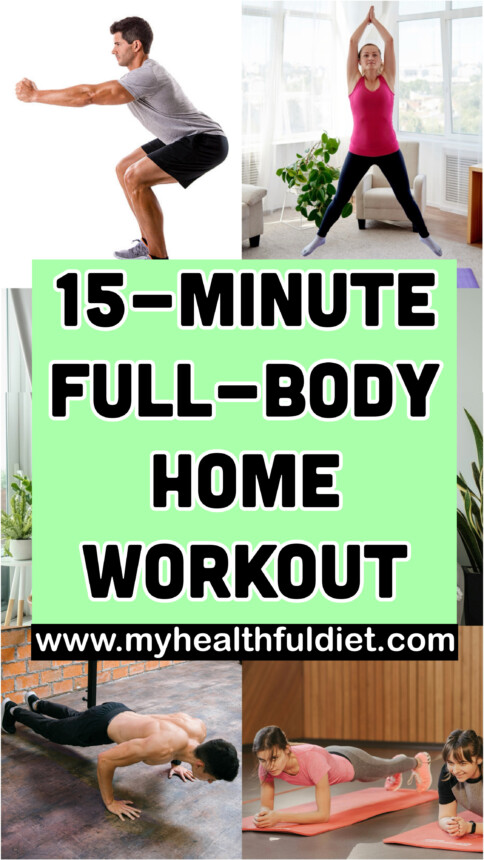 Let’s be honest, most days are already packed, and by the time you get home after a long commute, squeezing in a workout sounds exhausting. Gyms are nice and all, but they’re not always realistic. Here’s the thing: you don’t need all that fancy equipment or a giant chunk of your day to get in shape. Just fifteen minutes, right in your living room, can actually make a difference if you’ve got a smart plan.
The key isn’t duration. It’s intensity, structure, and consistency.
Why a 15-Minute Workout Works
People like to think you need to work out for 45 minutes or an hour for it to count. Sure, long workouts can be great, but honestly, the science keeps saying you don’t always need that much time. If you keep things focused, shorter workouts boost your strength, your endurance, and your heart health, too.
A 15-minute full-body session works because you’re not wasting time. Instead of working one muscle at a time, you hit a bunch of them together. That gets your heart pumping, burns more calories faster, and builds the kind of strength you actually use in real life.
Short workouts also make it a lot easier to show up. When you realize you’ll be done in 15 minutes, you’re way more likely to stick with it. In the end, showing up regularly beats the occasional long grind every single time.
The Structure of an Effective Full-Body Routine
If you only have 15 minutes to work out, you want every second to matter. Start with a quick dynamic warm-up — get your muscles and joints moving, shake off any stiffness. After that, jump into compound moves. Go for exercises that hit more than one muscle group at a time. Think squats, push-ups, lunges, planks. Mix in some dynamic cardio like jumping jacks or high knees to really get your heart going. Finish up with a short, intense burst to push your limits before you cool down. The best part? You don’t need any fancy equipment, and you can tweak every move to match where you’re at. That’s how you squeeze the most out of a short workout.

The 15-Minute Full-Body Home Workout
Here’s a balanced routine you can do in your living room. Set a timer and move with intention.
Begin with two minutes of movement—nothing too wild, just enough to shake off the stiffness. March or jog in place, roll out your shoulders, swing your arms, and give your hips a gentle twist. You’re just trying to wake up, not wear yourself out.
Now that you’re warm, jump into the main circuit. Each exercise goes for 40 seconds, then you get a 20-second break to catch your breath before the next one. Run through the whole set twice.
Start with bodyweight squats. Keep your chest up and sink back into your heels. You’ll feel this in your glutes, quads, and core.
Next up: push-ups. Standard push-ups work, but if those are too tough, just drop to your knees. Keep your body in a straight line from shoulders to hips and move with control.
After that, it’s alternating reverse lunges. Step back instead of forward—your knees will thank you. Plus, you’ll still work your legs and balance.
Then hit a plank hold. Brace your core, squeeze your glutes, and watch that your hips don’t sag or pop up.
Wrap up the circuit with jumping jacks or high knees. Get your heart pumping before you cool down.
Once you’ve finished two rounds, that’s about 12 minutes of solid work. End with a minute of walking in place and stretch out your legs, chest, and shoulders. Done and dusted.
That’s it. Fifteen minutes. Done.
Why Full-Body Training Is Effective at Home
Full-body workouts just make sense when you’re exercising at home. You don’t need fancy machines or a ton of gear—just your body and some space to move. In a gym, you might rely on machines to isolate muscles. At home, though, you get more out of moves that pull several muscle groups into the action.
Take squats, for example. Sure, your legs do most of the heavy lifting, but your core keeps you steady, your back helps you stay upright, and your glutes power you up. It’s the same story with push-ups or lunges—lots of muscles working together.
This kind of training doesn’t just make you stronger for its own sake. It actually helps with everyday stuff. Carrying groceries, running up the stairs, tossing your kid in the air—it all gets easier.
And there’s another bonus: you burn more calories. Since your whole body’s working, you’re using more energy, not just during the workout, but even after you’re done.
Adapting the Workout to Your Fitness Level
One great thing about working out at home? Flexibility. You get to adjust every exercise to fit where you are right now.
Just starting out? Focus on nailing your form. Don’t worry about speed—slow, steady reps do more for you than fast, sloppy ones. If it feels tough, drop your work intervals to 30 seconds and take a 30-second breather.
Already comfortable? increase intensity by reducing rest time or adding variations. Swap regular squats for jump squats, go for decline push-ups, or throw in shoulder taps while you plank. Little changes like these keep things interesting and push you harder.
The setup stays the same. You decide how tough it gets.
Building a Consistent Routine
A 15-minute workout is powerful on its own, but the real magic comes from sticking with it. Try to do this full-body routine three to five times a week. On the other days, go for something light—maybe a walk, a bit of yoga, or some stretching. That keeps your body moving without overdoing it.
One trick that works: tie your workout to something you already do every day. Maybe you exercise right after your morning coffee, or as soon as you wrap up work. When you link your workout to a regular habit, it starts to feel automatic, not just another thing on your to-do list.
Keep an eye on your progress, too. Jot down how many push-ups you manage each round, or notice how steady you feel holding a plank. Those tiny wins add up fast.
The Mental Benefits of Short Home Workouts
Physical fitness is just one part of it. Even squeezing in 15 minutes of exercise can really lift your mood and clear your head.
When you move your body, you kick off a rush of endorphins that melt away stress and leave you feeling better all around. And there’s something about finishing a workout—no matter how quick—that gives you a boost of confidence for the rest of the day. It sort of sets everything in motion.
Working out at home changes the game, too. You don’t have to worry about people watching, waiting around for machines, or driving anywhere. It’s just you, your space, and your own commitment. That’s it.
Overcoming Common Obstacles
Think you need a bigger space? You really don’t. If you’ve got room for a yoga mat, you’ve got enough.
Worried about noise, especially with neighbors below? Just switch out jumping jacks for step jacks or try high knees without leaving the ground. Quiet, but still gets your heart going.
Some days, motivation just isn’t there. Happens to everyone. On those days, just promise yourself five minutes. Once you’re moving, it’s easier to keep going.
Honestly, starting is the hardest part. But when the whole thing only takes 15 minutes, it’s a lot easier to just get up and do it.
Long-Term Results from Short Sessions
Can a 15-minute workout actually transform your fitness? Absolutely, as long as you keep at it and push yourself a little harder each time.
You get stronger by making your workouts more challenging—this is called progressive overload. So, once push-ups or squats feel easy, add a few more reps, cut down your rest, or grab some resistance bands or dumbbells.
Your heart and lungs get better with practice, too. Stick with it, and you’ll notice you catch your breath faster after each set, and climbing stairs or running for the bus doesn’t leave you so wiped out.
Losing fat works best when you combine regular exercise with eating well. Short workouts still burn calories and help you hold onto muscle, which is key for managing your weight in a healthy way.
The transformation doesn’t come from one workout. It comes from showing up regularly.
Making Fitness Sustainable
The best workout is the one you’ll actually stick with. For a lot of people, 15 minutes feels realistic . You don’t have to flip your whole schedule upside down, and nobody’s expecting you to be perfect. Just show up, pay attention, and give what you’ve got.
When you commit to short, focused sessions at home, the usual excuses start to disappear. The routine gets simpler, and honestly, that’s a big advantage.
Your living room? That’s your gym now. Your own body? That’s all the equipment you need. Fifteen minutes, if you really focus, is enough to get stronger, lift your mood, and take care of your health.
You don’t need more time. Just take the first step and get moving.