Post-Workout Meals That Aid Muscle Recovery


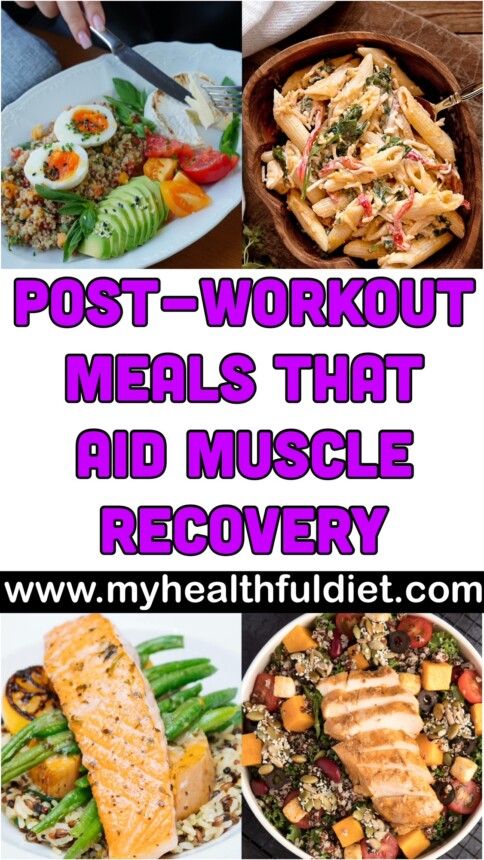 Muscle recovery doesn’t happen by accident—it’s what you do after you work out that really counts. Rest matters. So does drinking enough water. But honestly, what you eat after you exercise? That’s huge. Forget the hype around fancy shakes or crazy diets. Your body just wants the basics: the building blocks to fix up your muscles, refill your energy, and help you hit your next workout even stronger.
Doesn’t matter if you’re lifting, running, or sprinting through intervals—your muscles take a beating, right down to the microscopic level. That’s a good sign. It means you’re getting stronger. But skip the right post-workout meal, and everything slows down. Soreness hangs around longer. You stop seeing progress.
Understanding what to eat after a workout can make the difference between steady progress and frustrating stagnation.
Why Post-Workout Nutrition Matters
When you work out, your body burns up glycogen—that’s the stored carbs that keep your muscles going. Your muscles break down a bit, too. To recover, you need to refill those glycogen stores and kickstart muscle repair.
Protein steps in with the amino acids your muscles need to rebuild. Carbs fill up your glycogen reserves and help push nutrients into your muscles. Fats aren’t the main player right after you exercise, but they matter for hormones and long-term recovery.
Timing matters, too. The whole “anabolic window” idea isn’t as strict as people once thought, but grabbing a meal or snack within an hour or two after your workout just makes sense. That way, your body has what it needs, right when it’s ready to start fixing and building.
Protein: The Foundation of Muscle Repair
If you want to get the most out of your workout, you need good protein after you train—no way around it. Lean meats like chicken breast or turkey provide complete proteins rich in essential amino acids your muscles crave. Salmon’s another solid choice. Besides protein, you get those omega-3s, which help cut down inflammation and speed up recovery.
Eggs are classic for a reason. They’re loaded with high-quality protein, healthy fats, and helpful nutrients like choline. If you’re eating plant-based, you’re not left out—pair up lentils with quinoa, or tofu with brown rice, and you’ll cover your amino acid bases.
Don’t forget about dairy, either. Greek yogurt and cottage cheese give you both whey and casein. Whey gets to your muscles fast, so it’s perfect right after a workout. Casein takes its time, keeping the recovery going longer.
Carbohydrates: Restoring Energy for Performance
Carbohydrates are often misunderstood in fitness culture, but honestly, your body needs them to bounce back after tough workouts. When you push yourself hard, your muscles burn through their glycogen stores. Skip refueling, and you’ll just end up wiped out and dragging through your next session.
The best way to get your carbs? Stick with real food. Think sweet potatoes, brown rice, oats, or whole-grain pasta—they keep your energy up and pack in some fiber too. Fruit works great right after a workout. Bananas, berries, pineapple—they’re all packed with natural sugars that refill your muscles fast, and they even bring antioxidants to the table to help your body deal with the stress of training.
Want to recover even better? Mix your carbs with some protein. Try grilled chicken and rice or toss some fruit into a protein smoothie. That combo helps your muscles refill their energy and repair themselves at the same time.

The Role of Healthy Fats in Recovery
Although fats digest more slowly, they’re still important after a workout. Avocado, nuts, seeds, and olive oil help keep your hormones in check—testosterone included—which backs up muscle growth.
Salmon and other fatty fish bring in omega-3s that ease muscle soreness and help fight inflammation. You don’t want to pile on the fats right after you finish training, since they slow things down in your stomach. But having a reasonable amount as part of a balanced meal actually helps you recover.
Hydration: The Overlooked Recovery Tool
Recovery isn’t just about what you eat. Staying hydrated matters just as much, since your muscles need the right fluid balance to work well. When you exercise—especially intense or long sessions—you lose water and electrolytes in your sweat. If you get dehydrated, your body struggles to make new proteins and refill its energy stores.
Most of the time, plain water does the trick for shorter or easier workouts. But when you’re sweating a lot or training longer, you need to replace lost sodium and potassium too. That’s when drinks with electrolytes step in. Coconut water works, or you can grab a sports drink—just pick what fits the length and intensity of your workout.
If you’re not drinking enough, you’ll probably notice you’re more tired than usual, your muscles cramp up, and the soreness just won’t quit.
Balanced Post-Workout Meal Examples
You don’t need anything fancy for a good recovery meal. Throw some grilled salmon on your plate with quinoa and roasted veggies, and you’ve got all the protein, carbs, and healthy fats you need. Or just make a turkey and avocado sandwich on whole-grain bread if you want something quick you can take with you.
If you’re up early and training before most people even wake up, a smoothie’s a lifesaver—mix whey protein, banana, oats, peanut butter, and milk, and you’re set. Not in the mood for a big meal? Greek yogurt with berries and a drizzle of honey hits the spot, especially after a lighter workout.
For plant-based athletes, tofu stir-fry with rice or a bowl of lentils and sweet potatoes does the trick. Whatever you pick, just aim for a good mix: enough protein, plenty of carbs, and some healthy fats. That’s what matters.
Micronutrients That Support Muscle Recovery
Vitamins and minerals matter just as much as macronutrients when it comes to recovery. Magnesium helps your muscles relax and keeps cramps at bay. Potassium keeps your fluids in check. Vitamin C helps your body build collagen and repair tissue, while zinc boosts your immune system and helps you make protein.
You get all of these from real food. Leafy greens, nuts, seeds, citrus fruits, and those bright, colorful veggies—they all give your body what it needs to repair itself and fight off inflammation.
It’s easy to grab supplements, but they don’t do the whole job. Protein powders are handy, sure, but they work best alongside real meals, not replace them. Real food brings more to the table—literally.
Adapting Post-Workout Meals to Training Goals
You don’t need the same recovery plan for every workout. If you’re lifting for muscle growth, you’ll get the best results by upping your protein and keeping carbs moderate. But if you’re into endurance sports, you need more carbs to bounce back since your body burns through a lot of glycogen.
Trying to lose fat? Don’t skip protein after your workout—it keeps your muscle while you drop weight. Cutting carbs too much right after training can increase fatigue and slows your recovery. It’s smarter to watch your portions instead of cutting whole food groups.
Everyone’s different. Your size, how hard you train, and your metabolism all play a part in what you need to eat. Pay attention to when you’re actually hungry and keep an eye on how you’re performing—that’s the best way to figure out what works for you.
Recovery Beyond the Plate
While nutrition is central, sleep and stress management also determine muscle repair quality. Growth hormone release peaks during deep sleep. Chronic stress elevates cortisol, which can interfere with muscle recovery.
Post-workout meals support recovery, but they work best within a broader lifestyle framework that includes consistent sleep, active rest days, and proper programming.
Common Post-Workout Nutrition Mistakes
One frequent mistake is skipping the post-workout meal entirely, especially after evening workouts. Waiting too long can delay muscle repair and leave you under-fueled the next day.
Some people only focus on protein and forget about carbs. Sure, protein helps build muscle, but carbs really drive recovery. They refill your glycogen stores and kickstart insulin, which actually helps shuttle those amino acids into your muscles.
Then there’s the other extreme—grabbing a sugary snack with barely any protein. That’ll give you a quick energy boost, but it won’t give your body what it needs to actually repair and rebuild.
Finding the Right Balance for Long-Term Results
Muscle recovery isn’t about getting everything perfect—it comes down to showing up and sticking with it. When you make a habit of eating balanced meals after you work out, your body starts to bounce back faster. Do that long enough, and you’ll notice you get stronger, your endurance goes up, and you’re less likely to get hurt.
Honestly, nothing beats real food when it comes to helping your muscles recover. Lean protein, slow-burning carbs, healthy fats, and staying hydrated—that’s the recipe that keeps your body running well and feeling good, both in and out of the gym.
Forget chasing the latest trends or copying someone else’s diet. The real win is figuring out what actually works for you and making that your routine. Treat your post-workout meal like it’s just as important as your workout itself, not something you tack on at the end. That’s how you keep moving forward.
You can lift all you want, but it’s smart recovery that actually lets you use that strength.