How Diet Affects Skin Health
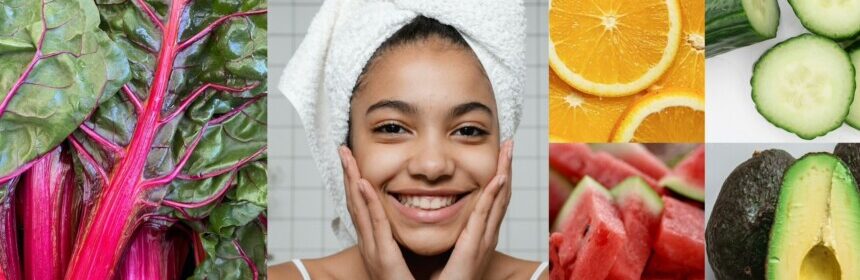

 Your skin really does show what’s going on inside your body—probably more than you’d think. Sure, creams and serums can help a bit, but what you eat matters way more for how your skin actually looks and feels. The food you put on your plate changes everything from how well your skin stays hydrated to how much you break out or how stretchy your skin feels. Once you get this connection, it’s easier to make choices that genuinely help your skin look clearer and stay healthy for the long haul.
Think about it: your skin is an organ, just like your heart or your lungs. It needs the right stuff to keep working properly. The top layer—the epidermis—blocks out all kinds of junk from the world, but the layers underneath need things like collagen, elastin, plus a steady stream of vitamins and minerals to stay strong and repair themselves. When your diet lacks essential nutrients, your skin is often one of the first places where deficiencies show up.
You really see the impact of your diet on your skin, especially when it comes to inflammation. Eating lots of processed foods, sugary snacks, or unhealthy fats can set off inflammation inside your body. But it doesn’t just stay hidden, you know? It often spills out in the form of breakouts, redness, or just general irritation. Take sugar, for example—when you eat a lot of it, your blood sugar jumps and your body pumps out more insulin. Elevated insulin can stimulate oil production and contribute to clogged pores, creating an environment where acne thrives.
But if you stick to whole, unprocessed foods, your skin usually looks calmer and clearer. Fruits and vegetables provide antioxidants, which help neutralize free radicals—unstable molecules that damage skin cells and accelerate aging. Free radicals come from everyday exposure to pollution, UV rays, and even stress. Without enough antioxidants, your skin can end up looking tired faster, with more wrinkles, less bounce, and a lot less glow.

Healthy fats aren’t just good for your body—they’re important for your skin, too. Omega-3s, for example, show up in things like salmon, walnuts, and flaxseeds. They actually strengthen the skin’s lipid barrier, which locks moisture in and keeps irritants out. When that barrier breaks down, skin dries out, gets flaky, and feels way more sensitive. A lot of people who skip out on healthy fats notice their skin feels tight or just not as soft.
Hydration matters, too, and it’s not all about how much water you drink. Foods can help, especially juicy ones like cucumbers, oranges, or watermelon. They boost your hydration from the inside out. When your skin’s hydrated, it stays smooth and elastic—it even helps with those fine lines. If you’re not getting enough fluids, your skin’s the first to look tired and dull.
People don’t always talk about protein when it comes to skin, but it really matters. Your body uses protein to make collagen and elastin—the stuff that keeps your skin strong and stretchy. If you’re not getting enough, your skin starts to lose its shape and doesn’t bounce back from damage as fast. Mix up your protein sources—plants or meat, whatever works for you—to help your skin keep renewing itself.
Vitamins and minerals have their own jobs, too. Vitamin C isn’t just for your immune system; it helps your body make collagen and protects your skin as an antioxidant. Run low on it, and your skin weakens and heals slower. Vitamin A pushes your skin to get rid of tired cells and bring in fresh ones. Zinc steps in for healing cuts and scrapes, and it also keeps oil levels in check, which is a big deal if you deal with acne.
You also have to think about how certain eating habits can mess with your skin. Take dairy, for instance—it’s been tied to acne for some people, probably because of the hormones in milk. Then there are high-glycemic foods, like white bread, sugar-packed snacks, and sweet drinks. Eating a lot of those tends to make acne worse. But everyone’s different. What causes breakouts for one person might do nothing to another.
Gut health is a big part of this story too. Your gut and your skin talk to each other—people call this the gut-skin axis. When the bacteria in your gut get out of balance, inflammation can ramp up and show up on your skin. Eating more fiber, fermented foods, or taking probiotics can help your gut microbes, which often means your skin looks and feels better.
Really, it’s not about eating perfectly all the time. Consistency is what counts. Eating junk now and then won’t ruin your skin for good, but constantly making unhealthy choices can catch up with you. Skin doesn’t change in a day. You see results, good or bad, after a few weeks or months. So, sticking with healthy habits works way better than hopping on quick-fix diets.
Diet is just one piece of the puzzle. Sleep, stress, genetics, and your daily skincare habits all work together with what you eat, shaping the health of your skin. Out of all these, what you put on your plate is something you have real control over, so it makes sense to pay attention.
The truth is, your skin benefits most when you keep things balanced. Focus on whole foods. Bring in lots of fruits and veggies, get enough healthy fats, drink water, and don’t forget protein. Together, these choices give your skin a solid foundation. It also pays to notice how certain foods affect you—sometimes a single ingredient can spark inflammation or breakouts, and being aware of that helps you adjust as needed.
At the end of the day, healthy skin isn’t just about creams or cleansers. It starts from the inside. By eating well and making thoughtful changes, you strengthen your skin’s natural ability to heal and protect itself. Over time, those everyday choices add up, and you end up with skin that is truly healthier—not just better-looking.