The Truth about Excessive Alcohol Consumption and Belly Fat
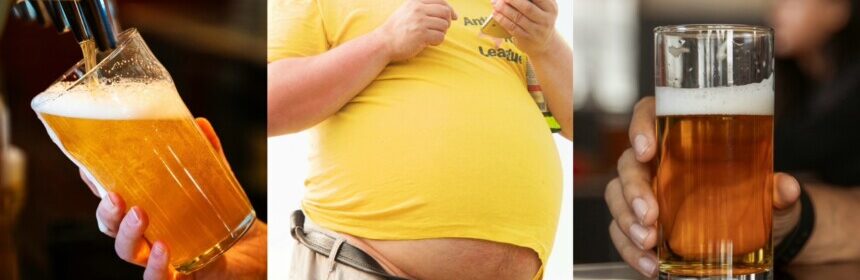

 There’s a reason the term “beer belly” has stuck around for decades. It’s not just a catchy phrase—it reflects a real and often misunderstood connection between alcohol consumption and abdominal fat. Many people assume that occasional drinks won’t make a noticeable difference in their waistline, but the reality is more complex. Excess alcohol doesn’t just add empty calories; it changes how your body stores fat, how your metabolism works, and even how your hormones behave.
Understanding this relationship is key if you’re trying to manage your weight or improve your health without giving up your social life entirely.
Gaining weight really comes down to one thing: you’re taking in more calories than you burn. Alcohol makes things trickier, though. It gives you calories, but you get zero nutrition from them. Every gram of alcohol has about seven calories—that’s almost as much as fat. One drink on its own isn’t a big deal, but if you drink regularly, those extra calories pile up before you know it.
What makes alcohol particularly tricky is how your body prioritizes it. As soon as you have a drink, your body treats it as a toxin and works to metabolize it immediately. Everything else—carbs, fat, whatever you last ate—just gets pushed to the side. Your body stops burning those nutrients for energy and, instead, starts storing them as fat. Keep this up, and you’ll probably notice more fat collecting around your waist.
That belly fat, called visceral fat, isn’t just about looks. It sits deep inside your abdomen, wrapping itself around your organs. This type of fat is metabolically active and linked to a higher risk of conditions like heart disease, type 2 diabetes, and inflammation. Tons of research shows that heavy drinking boosts visceral fat, even if you don’t look overweight overall.
Alcohol also messes with your metabolism. When you drink, your body doesn’t burn fat as quickly. Studies have found that after drinking, your fat-burning ability drops. So even if you eat pretty well, drinking regularly can make it a lot tougher for your body to tap into its fat stores.

Hormones definitely matter here. Alcohol can mess with the hormones that regulate appetite, stress, and how your body stores fat. Take cortisol, for instance—the stress hormone. When you drink, your body pumps out more cortisol, which packs extra fat around your belly. Alcohol also throws off the hormones that make you feel full, so you can end up eating way more than you meant to.
Now, let’s talk about behavior. Alcohol lowers your guard, and those good intentions about healthy eating? They tend to disappear. Suddenly, that greasy takeout or bag of chips looks pretty good. After a few drinks, it’s so much easier to dive into late-night snacks or just overdo it at dinner. The real problem isn’t just the calories in your glass. It’s how drinking makes you eat—and that’s what can really add inches to your waist.
Sleep plays a big role here too. Sure, alcohol might knock you out at first, but it messes with your sleep quality. When you don’t sleep well, you tend to feel hungrier, crave more junk, and end up eating more. Your body actually makes more ghrelin (the hormone that makes you hungry) and less leptin (the one that tells you you’re full). Over time, this imbalance can contribute to weight gain, especially around the belly.
Not all drinking is equal, either. Moderate, occasional drinking is less likely to lead to significant fat gain compared to frequent or heavy consumption. However, the definition of “moderate” is often misunderstood. With bigger pours or stronger drinks, it’s pretty easy to go overboard without realizing it.
The kind of alcohol you drink does make a difference, but probably not as much as you’d expect. Sure, wine or spirits mixed with something light usually have fewer calories than sugary cocktails or heavy beers. Still, what matters most is how much you actually drink. Even a couple of glasses of wine every night add up, and those calories count whether you notice them or not.
Your genes and your metabolism play a part too. Some people put on weight quickly when they drink; others seem to get away with it. But just because you don’t see changes right away doesn’t mean nothing’s happening on the inside—things like extra visceral fat can build up quietly.
Here’s the upside: the link between alcohol and belly fat isn’t permanent. Cut back on drinking, and you’ll probably see some changes in your body over time. Lots of people notice that when they ease up—even just a little—it’s much easier to lose that stubborn belly fat. That’s because once your body isn’t busy processing alcohol, it gets back to burning fat the way it’s supposed to.
If you’re trying to find a balance, start by paying closer attention. Think about how much and how often you drink, and maybe notice how it affects your eating and sleep. It doesn’t have to be all-or-nothing; it’s more about understanding the trade-offs and making choices that fit your life.
People often forget about hydration. Alcohol dries you out, and sometimes that thirst feels like hunger. If you drink water along with your booze, you’re likely to drink less overall and won’t end up snacking just because you’re dehydrated. Eating a good meal before you start drinking can also keep your blood sugar steady and stop you from overeating later.
Moving your body matters, too. Sure, exercise on its own won’t wipe out all the effects of too many drinks. But regular workouts help your metabolism run better and support fat loss. Honestly, putting together mindful drinking, eating well, and staying active works a lot better than obsessing over just one of those things.
It also helps to rethink how you see alcohol. Instead of treating it like something automatic at every get-together, try seeing it as just an occasional treat. That shift takes away some of its pull and you might notice you don’t end up drinking as much—and it doesn’t really feel like you’re missing out. A lot of people discover they actually enjoy social events more when alcohol isn’t the main focus.
Lately, there’s a bigger buzz around alcohol-free drinks. They can give you the same sense of joining in without the extra calories or messing with your metabolism. These alternatives aren’t for everyone, but they’re a handy option if you want to cut back a bit.
Let’s be honest: drinking too much really does add to belly fat. But this isn’t about feeling guilty—it’s about knowing how your body responds and making choices that fit what you want. Tiny, steady changes usually do a lot more than wild, all-or-nothing dieting.
If you’re eating right, exercising, and still can’t lose stubborn belly fat, it’s probably time to look at your drinking habits. Cutting back, even just a little, starts to show results over time. Your body knows how to adjust if you let it—it can find its balance again and help you feel better, inside and out.
Bottom line? Alcohol isn’t evil, but too much of it hits you in more ways than you see at first. Stay aware. Make decisions on purpose. That’s how you can enjoy a drink now and then without sabotaging your progress. Balance is everything—it’s the secret to enjoying life without letting one habit undo your hard work.