
The Impact of Diet and Exercise on Body Weight

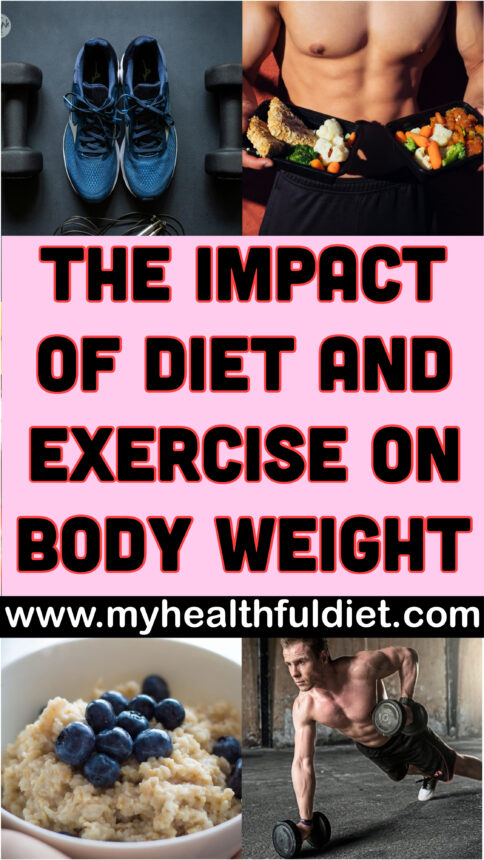 Diet and exercise shape your body in more ways than you might think. It’s not just about counting calories or spending hours at the gym—there’s a whole mix of biology, mindset, and even social stuff at play. Still, if you want to manage your weight and stay healthy, you’ve got to get a handle on how eating and moving work together. Let’s break down what really happens when diet and exercise team up to influence your weight.
1. Understanding Body Weight
– Definition: Body weight is the total mass of a person, influenced by muscle, fat, bone, and water.
– Energy Balance: Body weight management revolves around the concept of energy balance, which is the relationship between calories consumed (through food and drink) and calories expended (through basal metabolism and physical activity).
2. The Role of Diet
– Caloric Intake:
- To lose weight, a caloric deficit must be achieved, meaning fewer calories are consumed than expended.
- Caloric surplus leads to weight gain.
– Nutritional Quality
- Macronutrients: The balance of carbohydrates, proteins, and fats affects metabolism and satiety.
- Micronutrients: Vitamins and minerals are essential for various bodily functions and can influence energy levels.
– Food Choices
- Whole Foods (fruits, vegetables, whole grains) tend to be more nutrient-dense and lower in calories compared to processed foods (fast food, sugary snacks).
- Fiber-rich foods promote satiety, reducing overall caloric intake.
– Eating Patterns:
- Meal timing and frequency can influence hunger levels and dietary choices.
- Mindful eating practices can help reduce overeating and improve awareness of hunger cues.

4966
3. The Role of Exercise
– Energy Expenditure
- Physical activity increases overall calorie expenditure, which can create a calorie deficit for weight loss.
- Different types of exercise (aerobic, strength training, high-intensity interval training) contribute to weight management in distinct ways.
– Muscle Mass
- Strength training can help build lean muscle mass, which increases resting metabolic rate (the number of calories burned at rest).
- Maintaining or increasing muscle mass is critical for long-term weight management, especially as age-related muscle loss occurs.
– Metabolic Effects
– Regular exercise enhances insulin sensitivity and improves metabolic health, making it easier for the body to utilize carbohydrates and fats effectively.
– Exercise can also lead to positive hormonal changes, contributing to appetite regulation.
4. Psychological Factors
– Motivation and Adherence
- Diet and exercise habits must be sustainable for long-term success.
- Psychological factors such as motivation, stress, and emotional eating can greatly impact food choices and exercise adherence.
– Behavior Modification
- Setting realistic goals, tracking progress, and seeking social support can enhance adherence to diet and exercise programs.
5. Societal Factors
- Access to Healthy Foods
- Socioeconomic status and geographic location can impact access to healthy food options.
- Food deserts contribute to poor dietary choices and, subsequently, weight gain.
– Cultural Influences
- Cultural norms and values surrounding food and body image can shape dietary habits and attitudes toward exercise.
Conclusion
Diet and exercise both matter a lot when it comes to managing your weight. Honestly, you need a mix of good eating habits and regular movement if you want real results that last. The best approach? Make a plan that actually fits your own life—what you like to eat, your daily routine, and any health issues you’re dealing with. And don’t forget, it’s not just about food and workouts. The way you think about yourself, plus what’s going on around you, play a big part too. When you pay attention to all these pieces, you give yourself a better shot at reaching and keeping a healthy weight.
