How to Track Fitness Goals Effectively

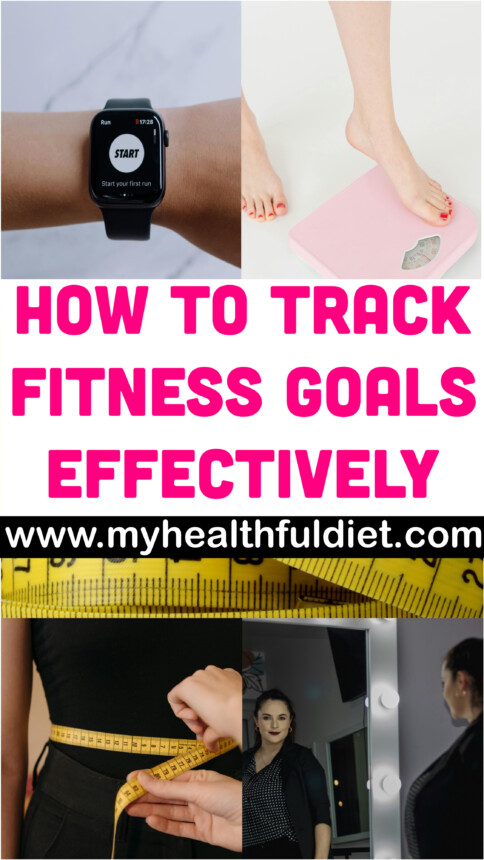 If you want to make real progress with your health, learning how to track your fitness goals is essential. Sure, motivation gets you moving at the start, but it never lasts forever. The real game-changer? Sticking to a system that lets you see how far you’ve come, even on the days you’d rather give up. It doesn’t matter if you’re training for a marathon, aiming to drop a few pounds, working on your strength, or just trying to feel better overall—how you track your efforts often decides if you keep moving forward or end up stuck in the same place.
The key is not just tracking more—but tracking smarter.
Why Tracking Fitness Goals Actually Works
Starting a fitness routine isn’t magic—you don’t wake up ripped after one workout. Your body takes its time to catch up. If you’re not tracking anything, it’s easy to feel like nothing is happening and just quit. Tracking your progress changes that. Suddenly, “I want to get fitter” isn’t just a wish. You’ve got numbers, goals, real proof that things are moving.
There’s something that happens in your head, too. Every little win—lifting a heavier weight, running a bit faster, or seeing your heart rate drop—gives you that spark to keep going. You don’t just hope you’re getting better; you see it, and that keeps you coming back.
[stu alias=”myhealthuldiet_website”]
Top athletes? They’re obsessed with tracking. Think about marathon runners aiming for Boston—they log every split, every mile, how they recover, what they eat. Most of us don’t need to go that deep, but the basic idea sticks: when you know where you stand, you’re in control.
Start With Specific and Meaningful Goals
Start by figuring out exactly what you want. Broad goals like “get in shape” don’t really get you anywhere. You need something solid to shoot for.
So, don’t just say you want to lose weight—pick a number, set a deadline. Same goes for getting stronger. Maybe you want to add 40 pounds to your squat in four months. That’s clear, and you’ll know if you’re getting closer.
Make sure your goals actually matter to you. Are you training to live longer, boost your performance, feel more confident, or just to blow off stress? When your goals mean something, tracking your progress doesn’t feel like a chore. It starts to feel worth it.
Clarity at the beginning prevents confusion later.

Choose the Right Metrics for Your Objective
If you want to track progress, you’ve got to measure what actually matters for your goal. One size doesn’t fit all here.
Take fat loss. If you’re only looking at the number on the scale, you’re not getting the whole story. Grab a tape measure, snap some progress photos, notice how your clothes fit, check in on your energy, your sleep, even how your workouts feel. Muscle gain can hide fat loss on the scale for a while, so casting a wider net with your tracking keeps you from getting frustrated.
For strength training, it’s all about pushing yourself a little more over time. Write down your sets, reps, and the weights you use. Even tiny jumps add up faster than you’d think.
Endurance people—runners, cyclists, all of you—usually keep an eye on pace, heart rate, and distance. Fancy gadgets are nice, but honestly, a plain old notebook does the job if you use it. The key is sticking with it.
Some folks love their wearables—Apple Watch, Fitbit, whatever. They’re great for tracking steps, heart rate, sleep, and activity. That’s cool if it gets you moving. But you don’t need high-tech gear. What really counts is paying attention and being consistent, no matter how you do it.
Focus on Consistency Over Perfection
People often make things too complicated when they track their workouts. If logging every detail turns into a chore, you’ll probably give up.
Keep it simple. Use a spreadsheet, a fitness app, or just jot things down in a notebook. The point is to make the system work for you—not stress you out.
Being consistent matters more than being exact. You get better results tracking three main things every time than trying to monitor twenty things and falling off. Pick the numbers that really matter for your goals and stick with them.
Progress isn’t a straight line. Some weeks you’ll notice big changes. Other times, it’ll feel like nothing’s happening. That’s why tracking is useful. It helps you step back and see the bigger picture, instead of stressing over every little up and down.
Use Data to Adjust, Not Judge
Fitness tracking isn’t about beating yourself up. It’s just feedback—nothing more.
Let’s say you stop losing weight. Your numbers probably show you’re eating a bit more or moving a bit less than before. If your strength hits a wall, maybe you’re not sleeping enough or giving your body time to recover. Instead of getting annoyed, look at the data and tweak what you’re doing.
Even the best, like LeBron James, pay close attention to this stuff. He spends a lot making sure he tracks his recovery, sleep, and workouts—all so he can stay at the top of his game. The takeaway isn’t that you need to do what he does. It’s that nobody gets better without checking in on the details.
So don’t let your numbers define you. They’re just information. Use them and move forward.
Track Non-Physical Wins
A lot of people give up on fitness because they’re only chasing a certain look. But honestly, there’s way more to it than just what you see in the mirror.
Think about how you feel day to day—more energy, steadier moods, a little extra confidence, handling stress better. Maybe you’re sleeping through the night now. Maybe your posture’s improved, or you can take the stairs without getting winded.
That stuff counts.
Fitness isn’t just about before-and-after shots. It’s about how you function and feel every single day, and how your health holds up down the line. When you start noticing these small wins that aren’t tied to the scale, sticking with it gets a lot easier. You realize progress pops up in ways you didn’t expect.
Set Milestones and Review Regularly
Just tracking your progress isn’t enough. You’ve got to actually sit down and look at the numbers. Check in with yourself every week to see how you’re doing day-to-day, and take a step back once a month to see the bigger picture.
When you review, ask yourself straight-up questions:
- Are your workouts actually helping you reach your goal?
- Are you moving forward, stuck in the same place, or backsliding?
- Is your plan something you can really stick with?
Tweaking things early keeps you from running into bigger problems later. If your goal doesn’t fit your life anymore, change it. Fitness isn’t set in stone, and your routine shouldn’t be either.
Think about it—maybe you started out wanting to run a 5K, but somewhere along the way you decided a marathon sounds more exciting, or maybe you want to get stronger instead. Your tracking should keep up with where you’re heading.
Balance Objective Data With Body Awareness
Numbers count, but don’t ignore your feeling.
Sometimes you’re overtraining even when the stats look fine. Maybe you feel wiped out, cranky, or just sore all the time—those are signs the numbers can miss. Tuning in to how you actually feel keeps you in the game longer.
Getting this right really matters. Sure, data points you where to go, but paying attention to yourself keeps you healthy.
A lot of today’s training approaches mix hard numbers with how you’re recovering. It’s not about pushing nonstop—it’s about making steady progress you can actually keep up.
Avoid Comparison Traps
Tracking your progress is productive. Comparing it to others is often destructive.
Tracking your own progress actually gets you somewhere. But once you start comparing yourself up against others, especially online, things can go downhill fast.
Social media? It’s all polished snapshots, perfect lighting, and heavy editing. Nobody posts the boring stuff. Your path isn’t theirs anyway. Everybody’s working with different genetics, daily routines, family stuff, and stress.
Think about pro bodybuilders—those guys getting ready for Mr. Olympia live in another world. Their training, their strict diets, the way they recover—it’s all dialed up way past what most people could ever (or should ever) keep up with.
So stick to your own numbers. The only real competition is you yesterday versus you today. That’s what matters.
Make Tracking Part of Your Identity
Long-term success comes when fitness just becomes part of your everyday life, not some short-term mission you obsess over and then forget.
Stop chasing quick fixes. Start building habits that actually last. When tracking your progress feels as natural as brushing your teeth, it doesn’t feel like another chore.
Real, lasting fitness doesn’t happen in six weeks. You get there with years of steady effort, making small tweaks, and sticking with it.
You don’t need fancy apps or complicated charts. What really matters is knowing what you want, staying committed, and being honest with yourself along the way.
The Real Goal Behind Tracking
Tracking your fitness goals isn’t just about the numbers. It’s really about paying attention—being aware of what you’re doing and why. Once you notice what’s going on, you start making choices on purpose. That’s when things actually start to change.
When you track what matters, you stop guessing. You have real proof in front of you, not just a feeling. That keeps you interested, even on the days when the changes are tiny and easy to miss.
It doesn’t need to get complicated, either. Pick goals that mean something to you. Track what actually matters. Check in with yourself often. Tweak things when you need to. Give it time.
Getting fit is an investment in your health and your confidence—it makes life better. Tracking just helps you keep moving in the right direction.
Done right, it turns all your hard work into real, visible progress. [/stu]