
Easy Ways to Boost Your Bone Health Naturally
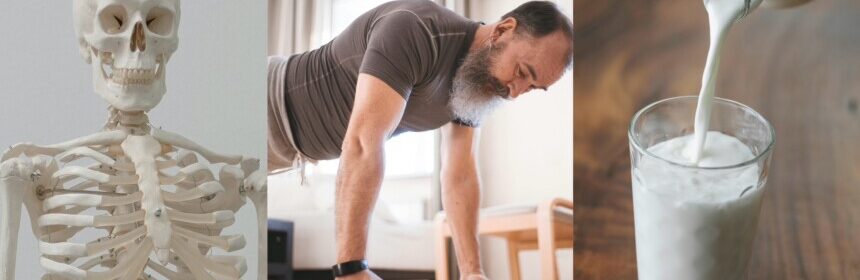
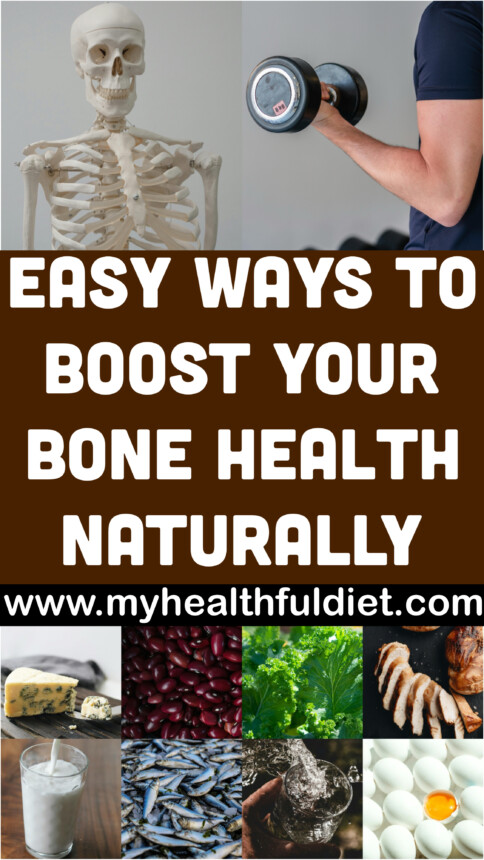 It’s easy to forget about your bones—until you get hurt or get some news you weren’t expecting. Maybe you slip, end up with a fracture, or your doctor tells you your bone density isn’t what it should be. Suddenly, bone health moves to the top of your list. The reality is, conditions like Osteoporosis and Osteopenia are incredibly common. Still, a lot of the risk comes down to choices you actually control. The upside? You don’t need to overhaul your life or do anything wild to take care of your bones. Just some steady, simple habits go a long way, no matter how old you are.
First, it helps to know what’s actually going on with your bones. They’re not just dead weight—they’re living tissue, always growing and repairing. When you’re young, your body is all about building bone, and you hit your peak somewhere in your late twenties. After that, things start to shift. You lose bone a bit faster, so the focus turns to holding on to what you’ve got and slowing down that loss. And that’s where your daily choices really add up.
Food matters—a lot. Calcium usually gets all the attention, and for good reason. It’s the main building block your bones need. Most adults need about 1,000 to 1,200 milligrams a day, depending on age and gender. Sure, milk, yogurt, and cheese are classic sources, but they’re not the only ways to get there. Greens like kale and bok choy, almonds, sesame seeds, and even fortified plant milks all help out. The trick is just to get some calcium every day, not to try to cram it all in at once.
Calcium’s important, but it doesn’t do much on its own. Your body needs vitamin D to actually use that calcium. Without enough vitamin D, a lot of the calcium you eat just goes to waste. Getting outside in the sun helps your body make vitamin D—just 10 to 20 minutes a few times a week usually does the trick, though it depends on your skin and where you live. You can also get vitamin D from foods like fatty fish, egg yolks, and fortified products. If you don’t get much sun or you’re usually indoors, it’s worth talking to your doctor about checking your vitamin D and whether you need supplements.

People talk a lot about calcium, but protein’s just as important for healthy bones—and honestly, it doesn’t get enough attention. Bones are not made of minerals alone; they also contain a collagen matrix that gives them flexibility and resilience. You need enough protein to keep that structure strong. Lean meats, fish, tofu, beans, nuts, seeds—they all play a part. If you don’t get enough protein, your bones can get weaker. But, loading up on too much protein without enough calcium? That can actually make you lose calcium. So you need a good balance.
Don’t forget about magnesium and vitamin K, either. Magnesium helps your body activate vitamin D, and vitamin K makes sure calcium sticks to your bones where it belongs. Spinach, pumpkin seeds, whole grains, fermented foods—these are all great ways to boost those nutrients. Instead of chasing after some miracle nutrient, focus on eating a variety of whole foods. That’s what really matters.
And here’s the thing: exercise is probably your best bet for stronger bones. Bones change when you use them. When you move—especially with weight-bearing exercises like walking, hiking, running, dancing, or taking the stairs—your bones get the message that they need to toughen up. Resistance training, like lifting weights or using bands, is especially good. It tells your muscles and bones to step up, and that’s how you build real strength.
Consistency really does beat intensity. You don’t have to run marathons or spend half your life in the gym. Just stick to strength training a couple times a week, and add in some regular weight-bearing moves. That’s enough to make a real difference for your bones. Even simple bodyweight exercises—think squats, lunges, push-ups—go a long way.
Don’t forget about balance and flexibility, either. As you get older, these matter more than you think. Falls send a lot of people to the hospital with fractures, especially later in life. Stuff like tai chi or yoga helps you stay steady, improves your posture, and keeps you coordinated. That means fewer slips, fewer falls, and less risk to the bone strength you’ve worked for.
But bones aren’t just about exercise and diet. What you do every day matters, too. Smoking, for example, really hurts your bones. It messes with calcium absorption and slows down the cells that build bone. If you smoke, quitting is honestly one of the best things you can do for your skeleton—and for the rest of your health, too.
Alcohol’s another thing to watch. Sure, a drink here or there probably won’t cause trouble. But drinking too much throws off your calcium and hormones, both of which your bones depend on. Keeping your drinking in check helps protect your bones, and it’s just better for your health in the long run.
Hormones really shape our health, especially for women. When estrogen drops during menopause, bone loss speeds up, which is why women are more likely to get osteoporosis after menopause. Men deal with this too, just in a different way—testosterone slowly falls as they age and affect bone density.. If you have a family history, you’re underweight, or you went through menopause early, it’s worth chatting with your doctor. They can help you figure out your risk and catch problems early.
Sleep is another factor that rarely gets enough attention in conversations about bone health. During deep sleep, the body engages in repair and regeneration processes, including those related to bone tissue. Chronic sleep deprivation may disrupt hormones involved in bone turnover. Aim for seven to nine hours of quality sleep per night to support your body’s natural rebuilding cycles.
Maintaining a healthy body weight is important, but it’s all about balance. Being too thin can increase your risk for bone loss and broken bones, but carrying too much weight isn’t great either—it puts pressure on your joints and increase fall risk. The sweet spot? A steady, balanced weight, fueled by good food and regular movement. That’s what really supports strong bones.
And don’t overlook water. Bones aren’t just hard—there’s a lot of water in there, and staying hydrated helps your body move nutrients around and repair itself. Drinking water won’t magically build bone, but if you’re always dehydrated, everything in your body—including your bones—works harder than it should.
Keep an eye on any medications that could mess with your bone density. Things like long-term corticosteroids, some thyroid meds, and certain anticonvulsants can slowly weaken your bones. If you take prescription meds, talk with your doctor and see if you should get your bones checked. Catching issues early can make a significant difference.
Worried about your bones? Tests like a DEXA scan tell you what’s going on inside. If you spot osteopenia early, you can tweak your habits before things get serious. It’s a lot easier to keep bones healthy than to rebuild them after the damage is done.
Stronger bones don’t come from magic fixes or huge lifestyle makeovers. It’s the little choices you make every day that add up. Pick a meal packed with nutrients instead of something processed. Go for a walk after dinner. Get outside when you can. Lift some weights a couple times a week. Actually go to bed on time. These things might sound basic, but if you stick with them, they make a real difference.
Start taking care of your bones early, and you set yourself up for success. But honestly, it’s never too late to make a difference. Studies show that even in your later years, the right nutrition and resistance training can preserve—and even boost—bone density. Your body keeps responding, as long as you keep sending the right signals.
At the end of the day, taking care of your bones just means honoring what lets you stand tall and keep moving. Strong bones help you stay active, independent, and sure of yourself as you get older. When you put together good food, regular exercise, smart habits, and check in with your doctor when it counts, you build a foundation that holds up for years.
You probably don’t think about your bones all that much. Still, they’re working behind the scenes every time you move. Give them steady support, and you’re making one of the smartest investments in your future health.
