Best Ways to use Olive Oil

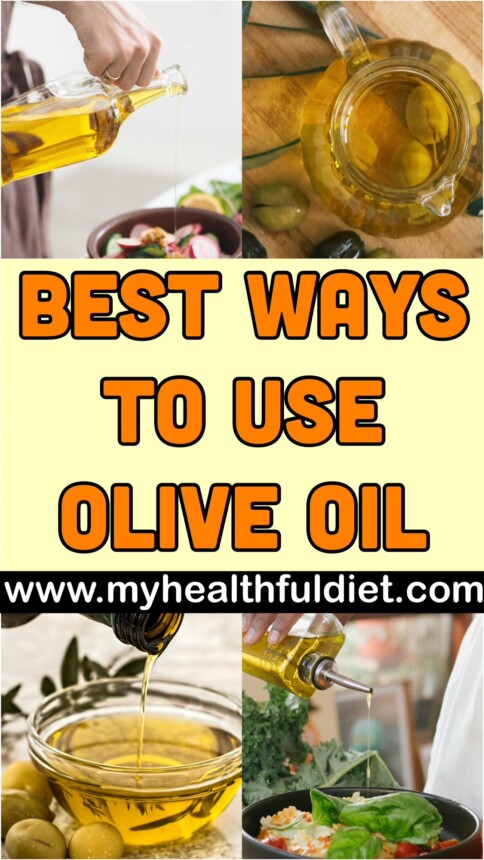 Olive oil isn’t just something you keep in the pantry for frying or sautéing—it’s a real game-changer in the kitchen. Whether you’re drizzling it over a finished dish or using it as a base for everyday meals, olive oil offers a depth of flavor and versatility that few ingredients can match. Understanding how to use it well can elevate your cooking, improve your health habits, and even simplify your routine in unexpected ways.
It all comes down to picking the right olive oil for the job. Extra virgin olive oil, or EVOO, is the least processed and retains the most flavor and nutrients. It has a fruity, sometimes peppery taste that works beautifully when left unheated or used gently. Pour it on dishes after they’re cooked, or use it gently when you want that taste to shine. For frying or roasting, go for the lighter, more refined options. They’re milder and handle heat better. Knowing which oil to grab isn’t just a detail—it’s the difference between “pretty good” and “wow, this is amazing.”
Drizzling a bit of olive oil right before serving can totally change how a dish tastes and smells. Imagine a splash over hot soup, some roasted veggies, or a bowl of pasta—the flavors just pop. That simple move adds a richness and depth that makes the whole dish feel more thoughtfully put together.
Olive oil really comes alive when you use it raw, too. Add it to dressings or sauces, and its natural taste really stands out. Take a basic vinaigrette: just olive oil, some acid, and seasoning. Suddenly, even a plain salad feels special. The trick is finding that sweet spot—not so much oil that it feels heavy, but enough to pull everything together. When you get it right, olive oil quietly ties all the flavors together without stealing the show.

People get a little nervous about cooking with olive oil, but honestly, it handles moderate heat just fine—if you start with the good stuff. Sautéing veggies, scrambling eggs, ligthly searing some fish or chicken? Olive oil makes these shine. The goal is not to push it to its limits but to use it where it enhances the dish rather than competes with it. Pay attention to how hot your pan gets, and you’ll keep the oil’s flavor right where you want it.
Beyond savory cooking, olive oil has a place in baking as well. Olive oil isn’t just for savory dishes. You can swap it in for butter or other fats and get cakes, muffins, or even bread with a lighter, more interesting texture. It brings moisture you can notice, and, if anything, creates a richer background taste that pairs especially well with citrus, nuts, or chocolate. Use it with a bit of care, and it supports the other flavors without stealing the show.
Marinating is another spot where olive oil doesn’t get enough credit. It’s not just about keeping things from drying out—which it does, especially for lean proteins—but it also helps all those good flavors from herbs and spices soak right in. Vegetables, poultry, seafood—they all benefit from a marinade with olive oil as the base. The end result? Tastier, juicier, more balanced dishes every time.
Olive oil can also simplify everyday cooking routines. Instead of relying on multiple fats for different tasks, a good bottle of olive oil can cover most needs. Whether you’re greasing a pan, freshening up leftovers, or just tossing some cooked grains to keep them from sticking, it brings a nice, subtle richness and always comes through for you.
Of course, how you store it makes all the difference. Heat, light, and air chip away at its quality faster than you’d think. Find a cool, dark spot to stash your bottle, and don’t let it hang around forever—use it up while it’s still fresh, especially if you spring for extra virgin. That stuff is more delicate, so it needs a little extra care.
On the health side, olive oil gets a lot of love for a reason. It packs plenty of monounsaturated fats and antioxidants, both great for your heart and your general well-being. Swapping it into daily meals is a surprisingly easy way to eat healthier without feeling like you’re missing out on flavor. That said, it still pays to go easy—like anything, it works best when you use just enough, not too much.
Olive oil isn’t just for cooking; people have used it in personal care for ages because it’s such a great moisturizer. Rub a little on your skin or hair and you’ll notice it feels softer and more hydrated. Sure, it doesn’t always replace your go-to lotions or conditioners, but if you like to keep things simple, olive oil is an easy, natural choice.
Beyond that, olive oil can even be used to maintain kitchen tools and surfaces. Wipe a thin layer over wooden utensils or cutting boards and it helps keep them from getting dry or cracked—just a small step, but it really extends their lifespan.
What really sets olive oil apart is how versatile it is. It can be bold or subtle, depending on how it’s used. A robust, peppery oil might be perfect for dipping bread, while a milder variety works better in delicate dishes. Trying different varieties—maybe even from different regions—can totally change the way you cook and help spark some fresh ideas.
The trick with olive oil is to get to know it, not treat it like there’s only one “right” way to use it. Taste it on its own, pay attention to the scent, and watch how it blends with other ingredients. A little curiosity turns your cooking into more of an adventure, and olive oil rewards that kind of attention.
Olive oil isn’t just another ingredient—it’s the secret weapon that lifts up flavors, creates better textures, and helps food feel balanced. When you’re cooking at home, whether it’s a quick weeknight dinner or some wild new dish you’ve never tried before, using olive oil with intention makes the whole thing more fun and, honestly, the food just tastes better.
The more you cook with olive oil, the more natural it starts to feel. You’ll stop thinking about the exact amount. Maybe you just drizzle a little or pour in a quick splash, letting your instincts (and your taste buds) decide. It moves from being about strict measurements to a kind of intuition, and that’s when your cooking really starts to reflect your own style.
Really, the trick with olive oil is to use it thoughtfully. Go for good quality, choose the right one for the job, and aim for balance—let it highlight the other flavors, not drown them out. Give it some time and practice, and olive oil turns into one of those kitchen essentials you can always count on. Related Links: Click
 the Links Below to Learn More: