How to Save on Food Groceries Budget
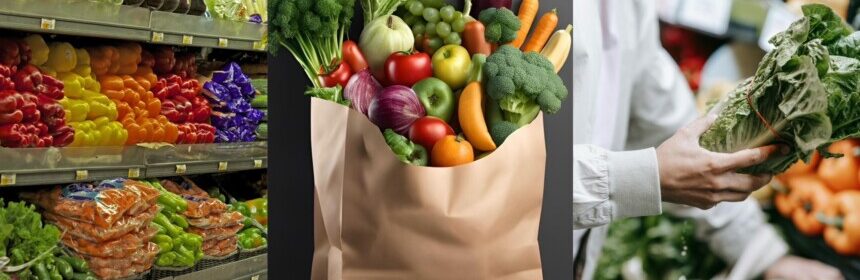
 You don’t have to give up good food or settle for boring meals just to save some cash. Actually, if you’re a bit thoughtful about it, you can end up eating better, wasting less, and feeling pretty proud of your grocery choices. Many people assume cutting food costs requires extreme couponing or bland, repetitive meals.Truth is, it’s way simpler and more doable than that. It’s about being aware, planning ahead, and picking up a few habits that change how you shop and cook over time.
One trick that really helps is trading convenience for intention. Sure, pre-cut veggies or single-serve snacks are easy, but you’re paying a premium for that grab-and-go factor. When you start treating food as something you can take charge of—not just something you throw in your cart without thinking—you begin to see where your money’s disappearing. That little shift? It leads to smarter choices, and honestly, doesn’t feel like much of a sacrifice.
A major turning point for many households is learning how to plan meals realistically. It’s not about creating fancy menus or cooking a brand-new dish every night. If you know certain days are busy, plan simple, low-effort meals for those times. When your food choices line up with your actual routine, you’re less tempted by last-minute delivery or impulse grocery runs—those are the sneaky budget killers.

People don’t always realize just how much food ends up in the trash. When you throw out food, you’re not just wasting groceries—you’re throwing away money. It’s easy to let things slip, too. Maybe you forget what’s hiding in the back of the fridge, or you leave leftovers until they’re no good, or fresh veggies go bad before you even touch them. One simple way to tackle this is by planning your meals around what you already have. It forces you to get a little creative in the kitchen, too. Suddenly, you see that carrots or rice can be part of all sorts of dishes, not just the one recipe you had in mind.
How you shop matters, too. Walking into a grocery store without a clear idea of what you need makes it easy to overspend. Grocery stores are designed to encourage impulse buying, from strategic product placement to limited-time promotions. Even a rough idea of what you want to buy keeps you from filling your cart with random stuff. You don’t need a strict list, just a bit of direction, so you’re not making decisions on a whim. Over time, this habit makes you less likely to end up with things you didn’t really want in the first place.
It’s also worth paying attention to how often you shop. Frequent trips to the store tend to increase spending, even if each visit seems small. Every time you go, there’s a chance you’ll pick up extras. If you can shop less often, you end up thinking more about what you actually need, and you’re less likely to double up on things you already have. In the end, you waste less food—and money—without even trying that hard.
Cooking at home is one of the easiest ways to keep your budget in check, and honestly, it doesn’t have to feel like work. The trick is just figuring out what suits your style. Maybe you like making big batches and living off leftovers for a few days. Or maybe you’d rather cook from scratch more often. There’s no strict rule here—do what fits your routine. The more you cook, the less you end up spending on takeout or restaurant meals.
Try to keep meals simple. Not everything needs to be a showstopper or loaded with fancy ingredients. Simple dishes aren’t just easier—they’re usually cheaper, too. If you stick to a handful of staple ingredients and get creative with them, you’ll save both money and time. Cook up a bunch of grains or a protein, then use them in different ways throughout the week. Suddenly, you’re eating well without much extra effort.
Knowing how grocery pricing works helps, too. Buying in bulk looks like a bargain, but only if you actually use everything before it spoils. Check unit prices instead of just the sticker price so you really know what you’re paying for. The more you shop, the quicker you’ll spot good deals and avoid overpaying. Eventually, you just know what groceries should cost, and that makes decisions a whole lot easier.
Seasonal changes really do make a difference in what you pay for food. When produce is in season, it’s usually cheaper and tastes better too. Sure, it’s easy to stick with the same grocery list every week, but just swapping in a few seasonal fruits or veggies can save you money. No need to totally update your meals—small changes go a long way.
How you store your groceries matters, too. Good storage keeps your food fresh longer and cuts down on waste. Stuff like putting produce in the right drawer, using airtight containers for leftovers, or slapping labels on things when you need to—it all helps. When food lasts, you get more chances to actually eat what you bought, so less money ends up in the trash.
And really, eating out can blow up your food budget before you know it. You don’t have to quit restaurants for good, but it pays to be more thoughtful about it. Save eating out for special occasions instead of making it your usual routine. It feels more enjoyable that way, and your wallet will thank you.
Beverages can quietly drain your budget if you’re not paying attention. All those specialty drinks, bottled sodas, and daily coffee runs don’t look like much on their own, but together? They add up fast. Honestly, just making some of your drinks at home—even half the time—makes a visible difference. It’s a small tweak, barely noticeable day-to-day, but you’ll see the impact.
Habits and routines have a sneaky influence on what you spend for food. Sometimes, you grab something on the go just because it’s easy or because you’re stressed—not because you actually need it. Just pausing before you buy gives you a moment to check: Is this really necessary, or am I acting on impulse? No need to overthink every choice, but even a little awareness helps keep your spending in check.
After a while, these minor changes really start to add up. You get to know what you like, you shop smarter, and you feel more in control of your budget. The goal isn’t to be perfect—just to improve a bit. Even the smallest adjustments leave a mark if you stick with them.
Saving money on food isn’t about following strict rules. It’s about shaping habits that actually fit your life. Finding your own balance—not depriving yourself, but also not blowing your budget—is the sweet spot. With a practical approach and some flexibility, managing your food spending gets easier and eventually just feels normal.