Top 35 Foods to Lower Cholesterol
Top 35 Foods to Lower Cholesterol

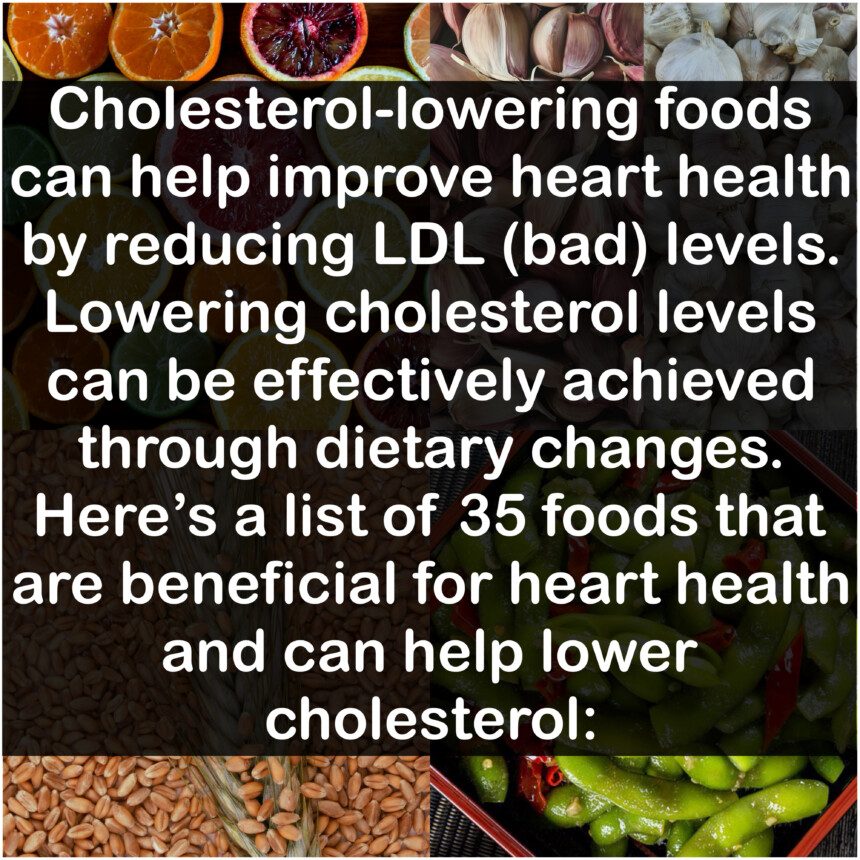
A healthy diet rich in fiber, healthy fats, and antioxidants can lower LDL (bad) cholesterol and raise HDL (good) cholesterol, promoting cardiovascular health and overall well-being.Cholesterol-lowering foods can help improve heart health by reducing LDL (bad) levels. Lowering cholesterol levels can be effectively achieved through dietary changes. Here's a list of 35 foods that are beneficial for heart health and can help lower cholesterol:
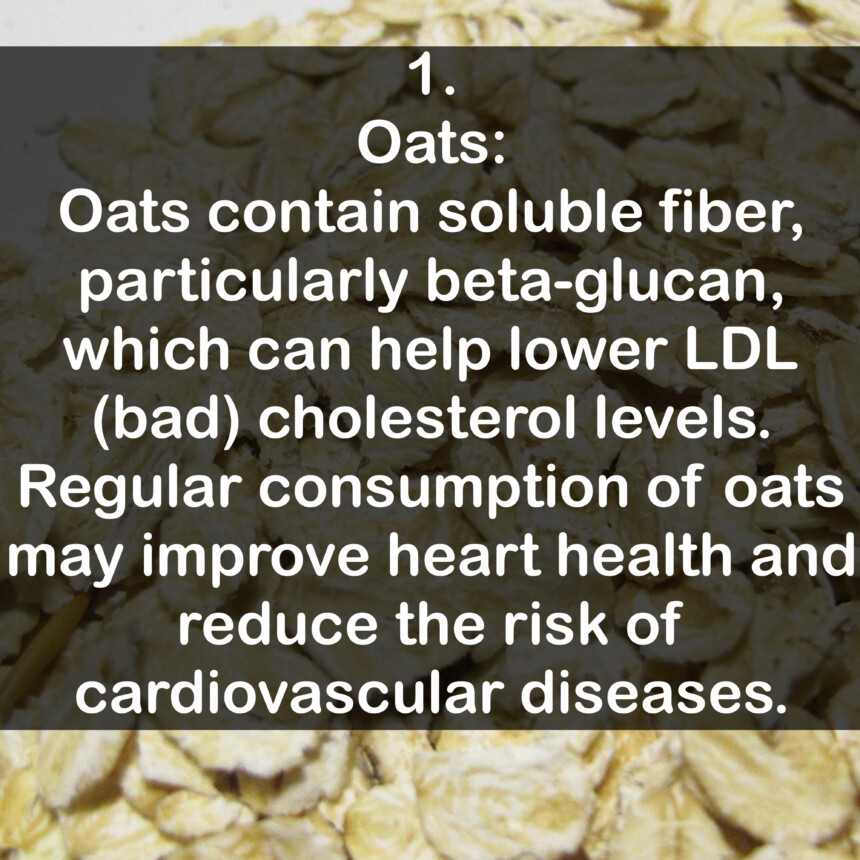
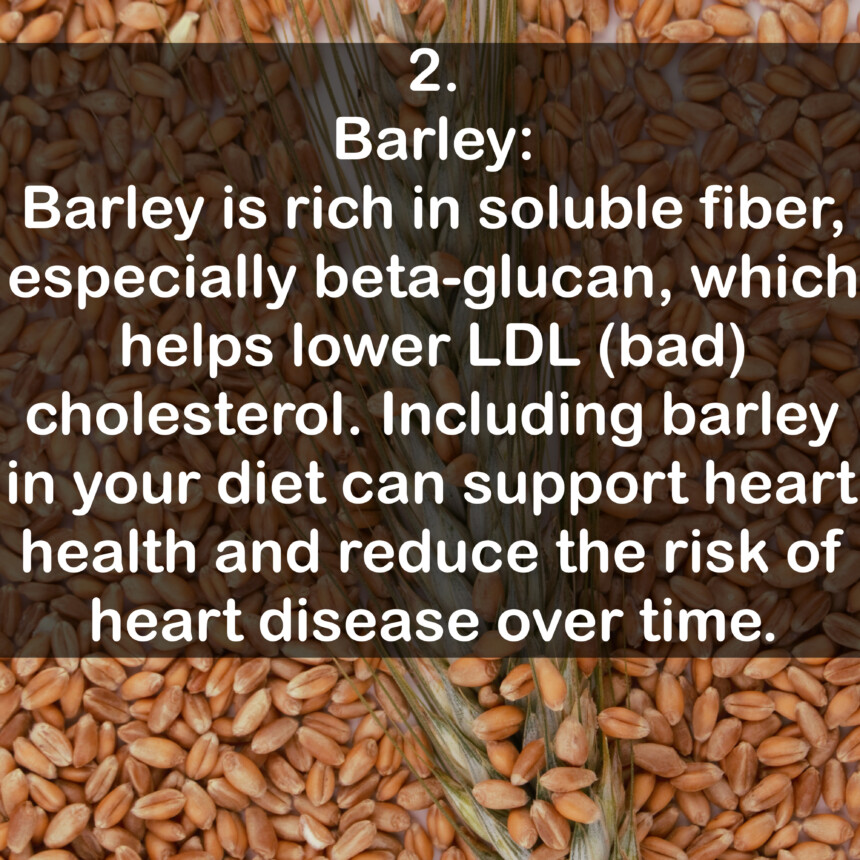
1. Oats: Oats contain soluble fiber, particularly beta-glucan, which can help lower LDL (bad) cholesterol levels. Regular consumption of oats may improve heart health and reduce the risk of cardiovascular diseases.2. Barley: Barley is rich in soluble fiber, especially beta-glucan, which helps lower LDL (bad) cholesterol. Including barley in your diet can support heart health and reduce the risk of heart disease over time.


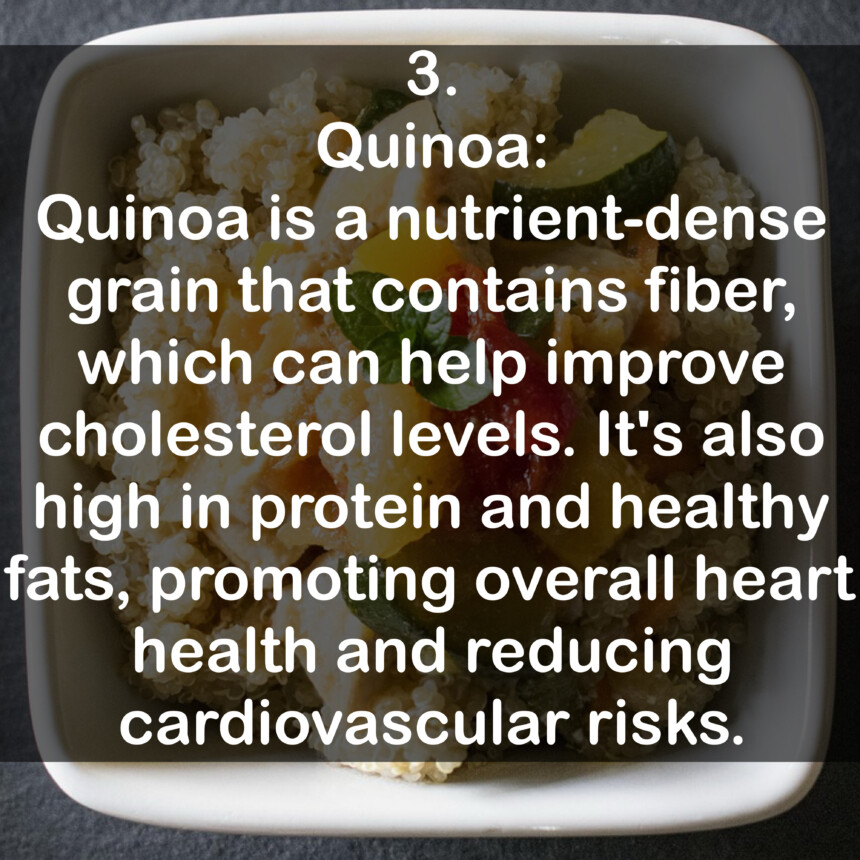
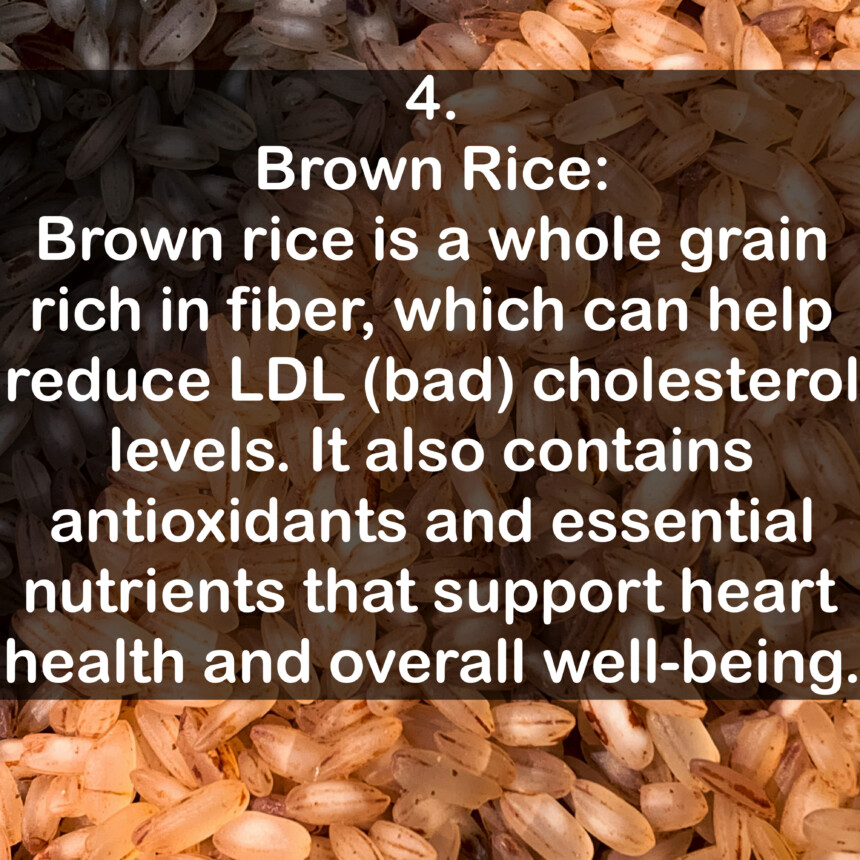
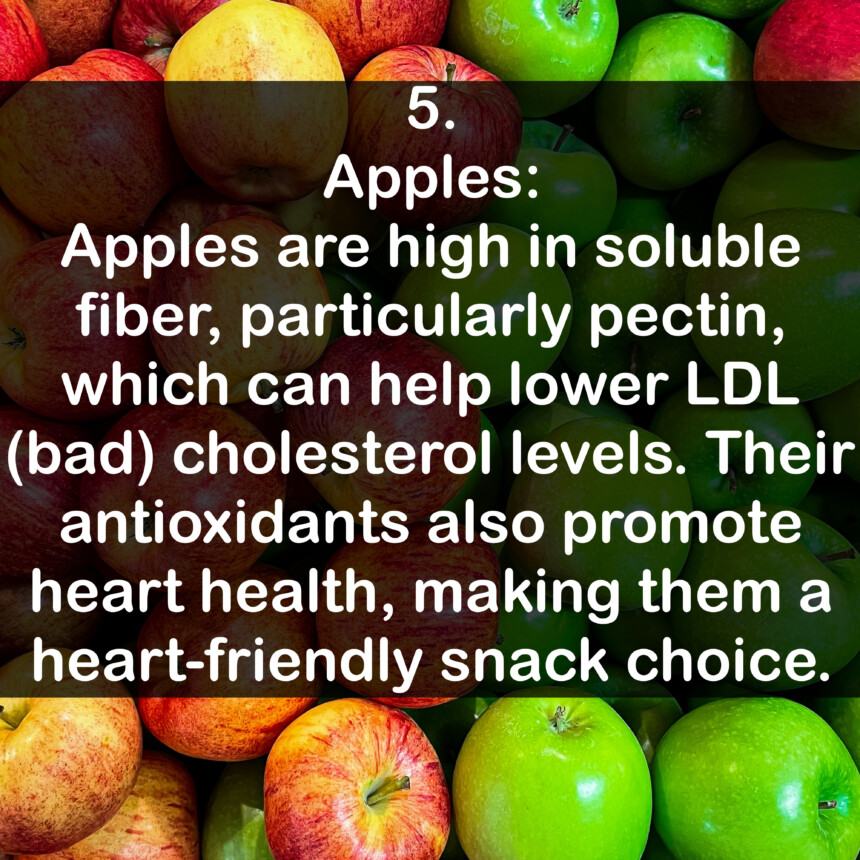
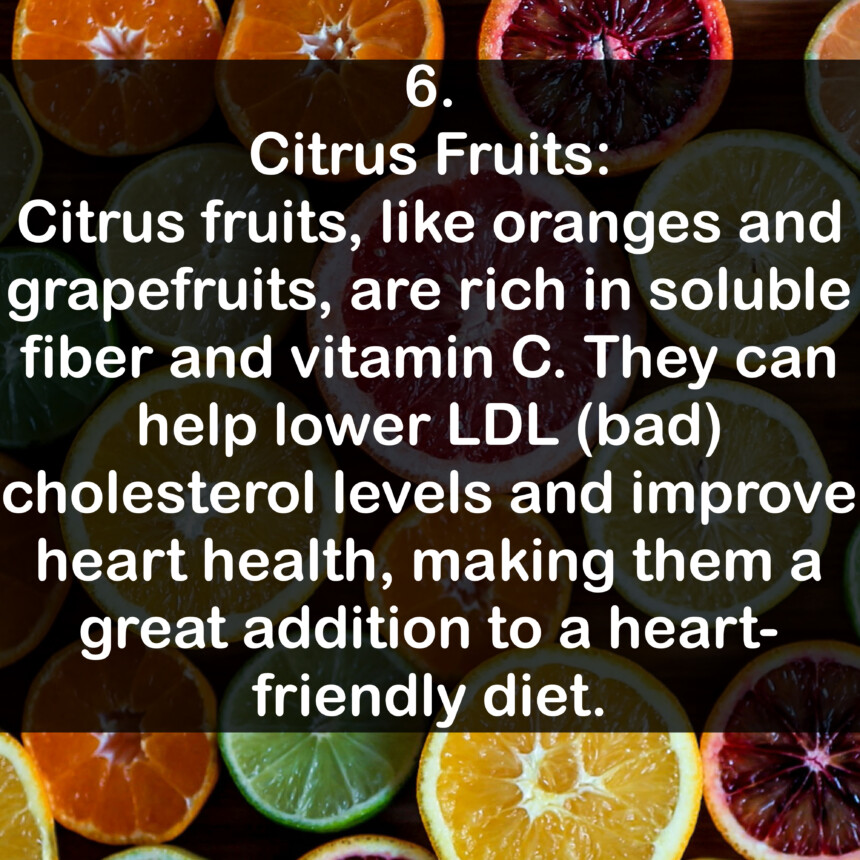
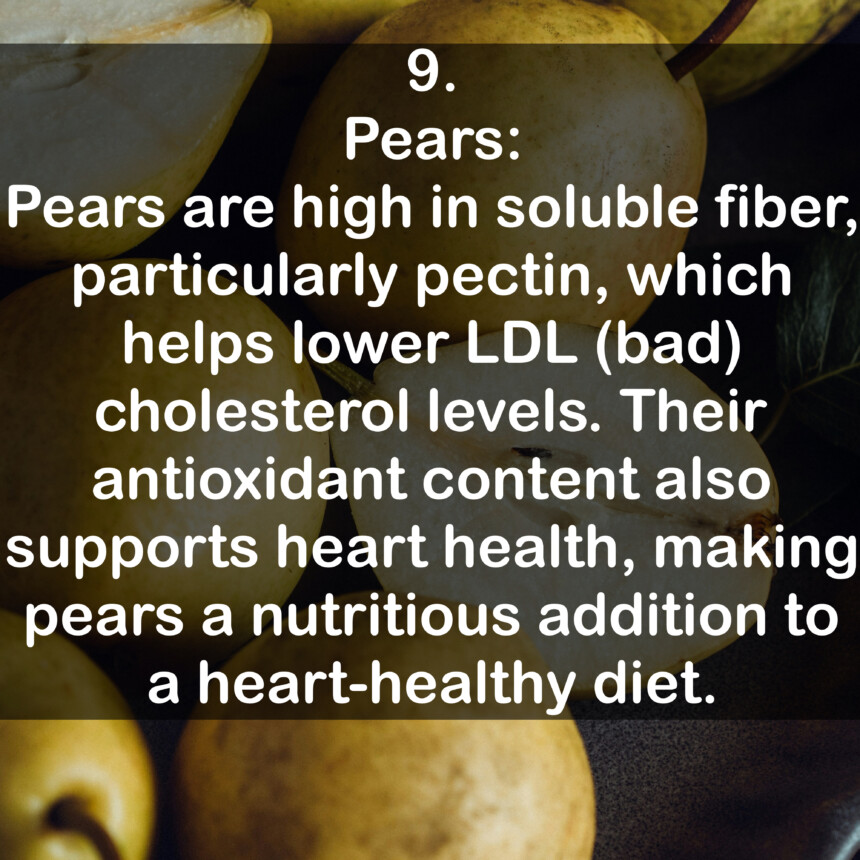
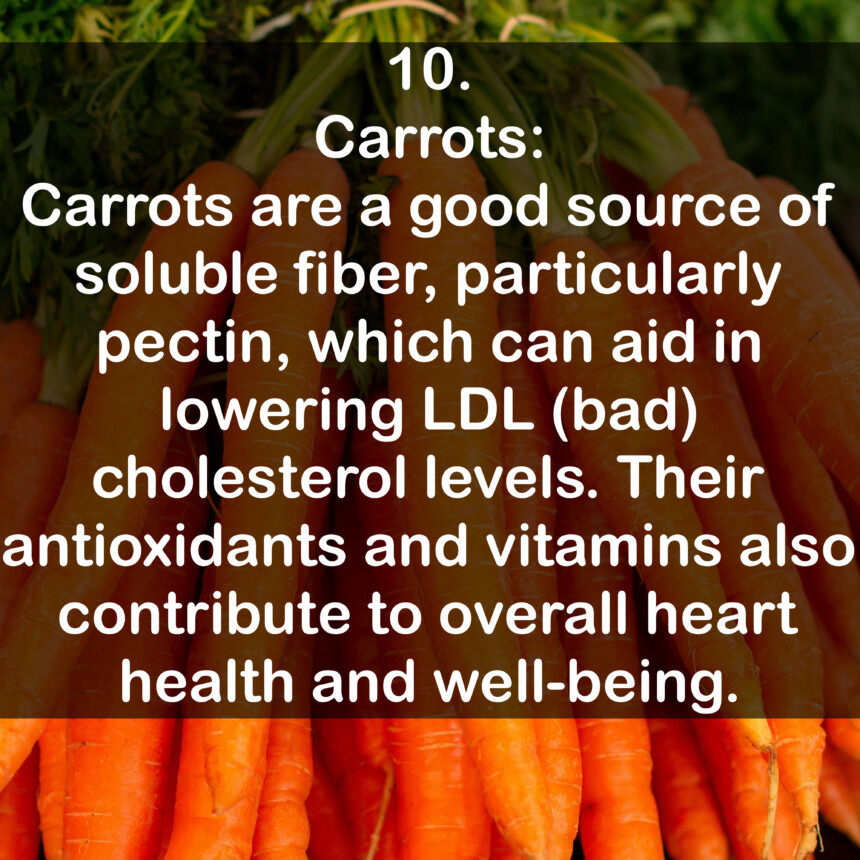
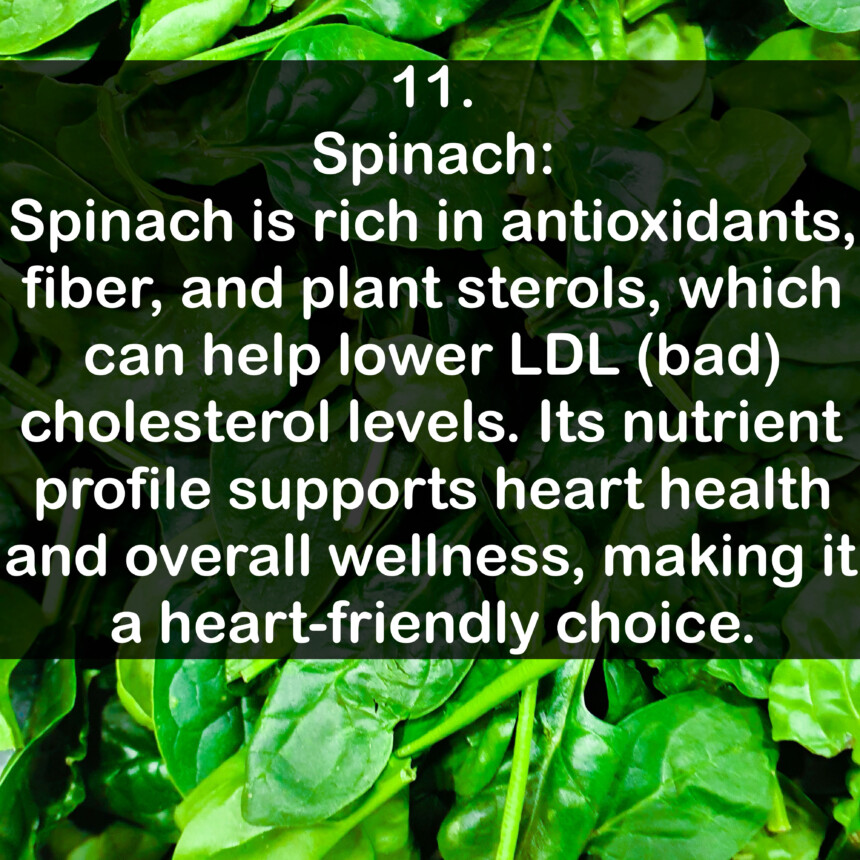
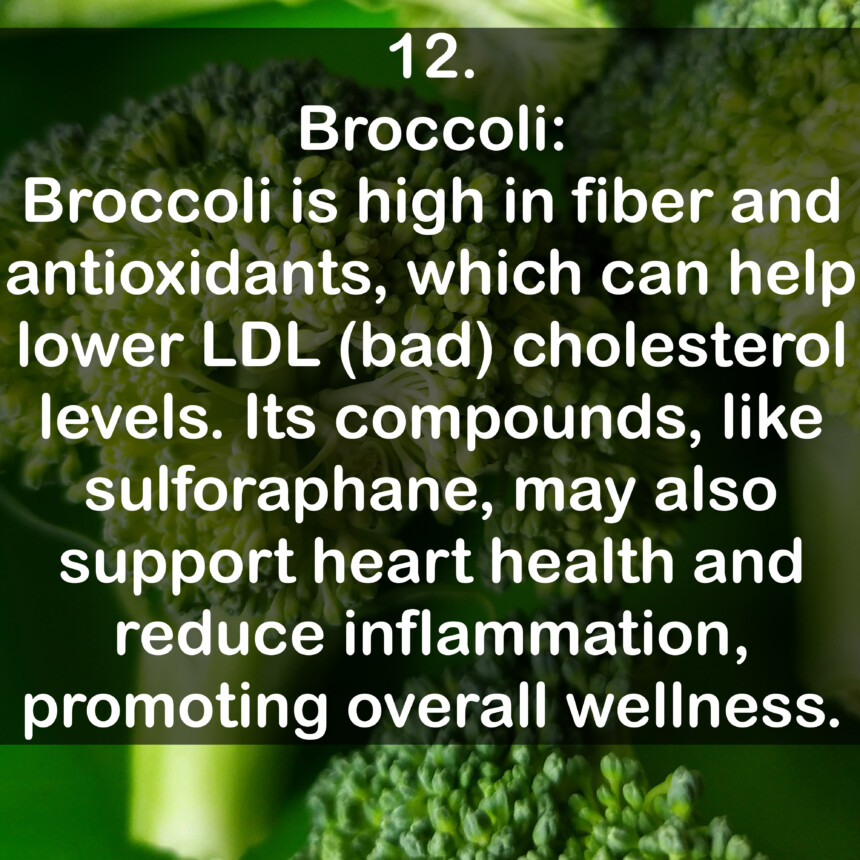
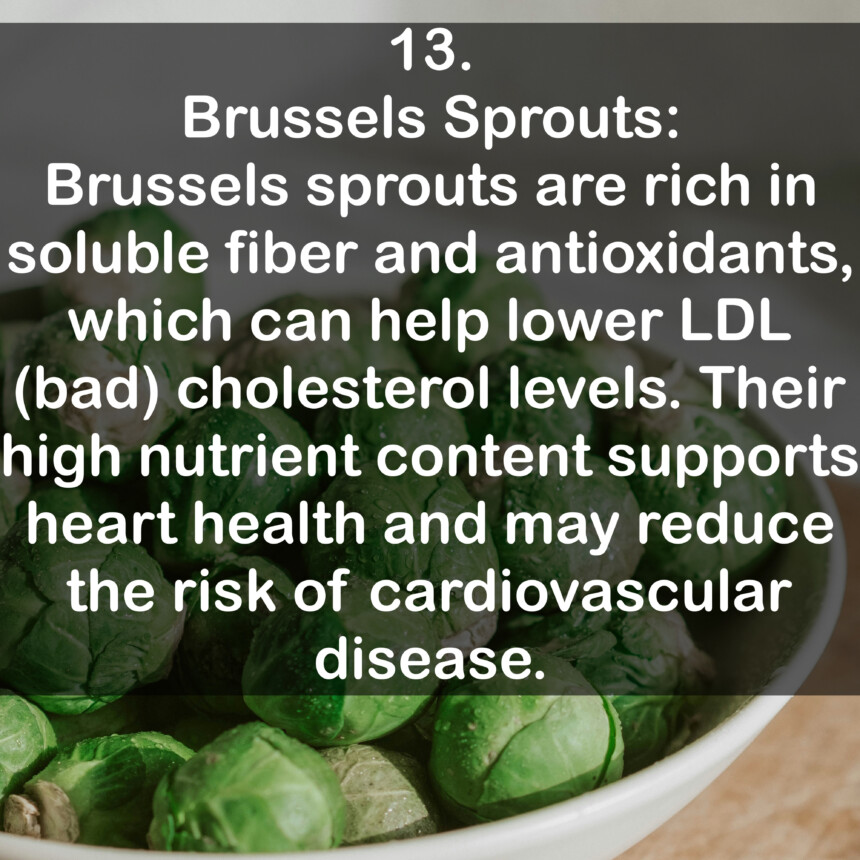
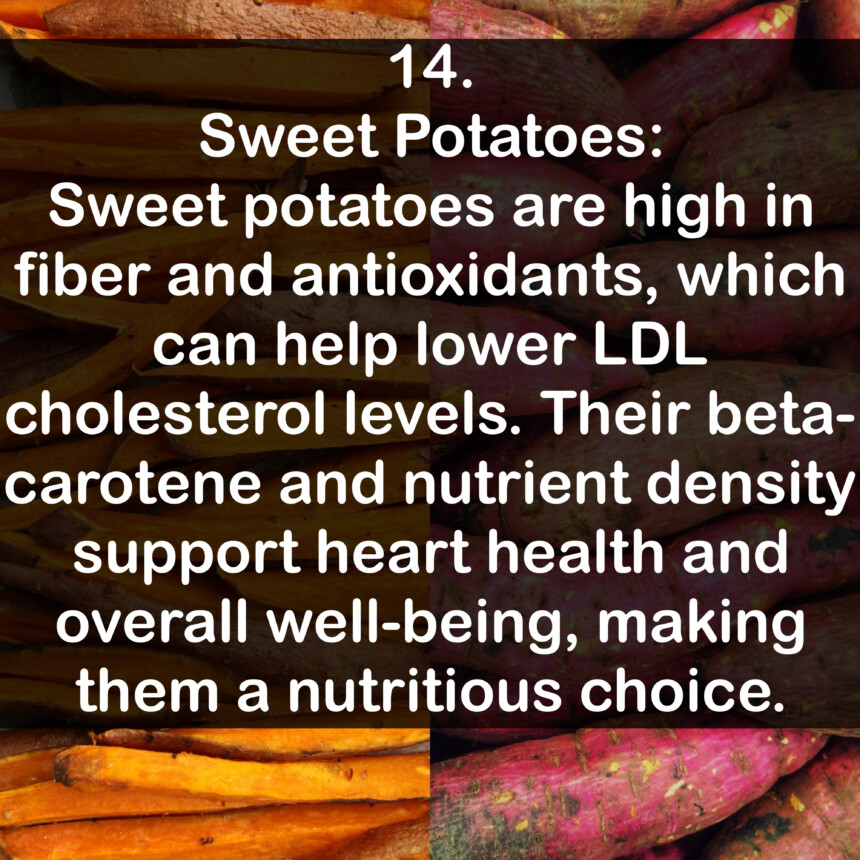
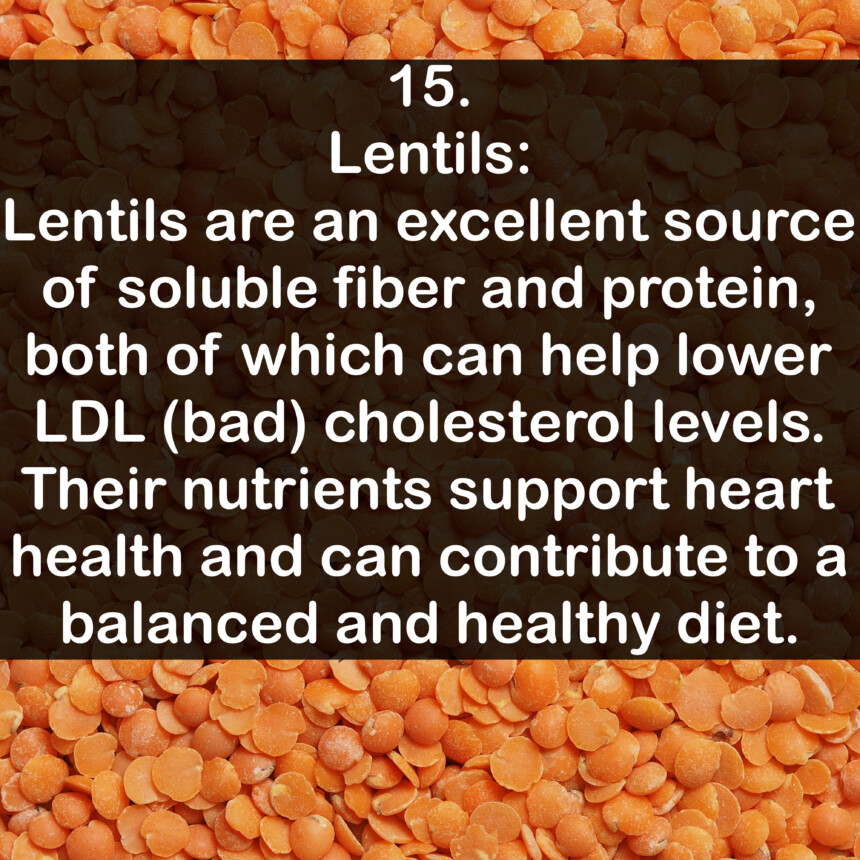
3. Quinoa: Quinoa is a nutrient-dense grain that contains fiber, which can help improve cholesterol levels. It's also high in protein and healthy fats, promoting overall heart health and reducing cardiovascular risks.4. Brown Rice: Brown rice is a whole grain rich in fiber, which can help reduce LDL (bad) cholesterol levels. It also contains antioxidants and essential nutrients that support heart health and overall well-being.5. Apples: Apples are high in soluble fiber, particularly pectin, which can help lower LDL (bad) cholesterol levels. Their antioxidants also promote heart health, making them a heart-friendly snack choice.6. Citrus Fruits: Citrus fruits, like oranges and grapefruits, are rich in soluble fiber and vitamin C. They can help lower LDL (bad) cholesterol levels and improve heart health, making them a great addition to a heart-friendly diet.7. Berries: Berries, such as strawberries, blackberries, blueberries, and raspberries, are high in fiber and antioxidants, which can help lower LDL (bad) cholesterol levels and promote heart health while reducing inflammation in the body.8. Avocado: Avocado is rich in monounsaturated fats and fiber, which can help reduce LDL (bad) cholesterol and boost heart health. Its nutrient profile also supports overall wellness, making it a heart-healthy choice.9. Pears: Pears are high in soluble fiber, particularly pectin, which helps lower LDL (bad) cholesterol levels. Their antioxidant content also supports heart health, making pears a nutritious addition to a heart-healthy diet.10. Carrots: Carrots are a good source of soluble fiber, particularly pectin, which can aid in lowering LDL (bad) cholesterol levels. Their antioxidants and vitamins also contribute to overall heart health and well-being.11. Spinach: Spinach is rich in antioxidants, fiber, and plant sterols, which can help lower LDL (bad) cholesterol levels. Its nutrient profile supports heart health and overall wellness, making it a heart-friendly choice.12. Broccoli: Broccoli is high in fiber and antioxidants, which can help lower LDL (bad) cholesterol levels. Its compounds, like sulforaphane, may also support heart health and reduce inflammation, promoting overall wellness.13. Brussels Sprouts: Brussels sprouts are rich in soluble fiber and antioxidants, which can help lower LDL (bad) cholesterol levels. Their high nutrient content supports heart health and may reduce the risk of cardiovascular disease.14. Sweet Potatoes: Sweet potatoes are high in fiber and antioxidants, which can help lower LDL cholesterol levels. Their beta-carotene and nutrient density support heart health and overall well-being, making them a nutritious choice.15. Lentils: Lentils are an excellent source of soluble fiber and protein, both of which can help lower LDL (bad) cholesterol levels. Their nutrients support heart health and can contribute to a balanced and healthy diet.


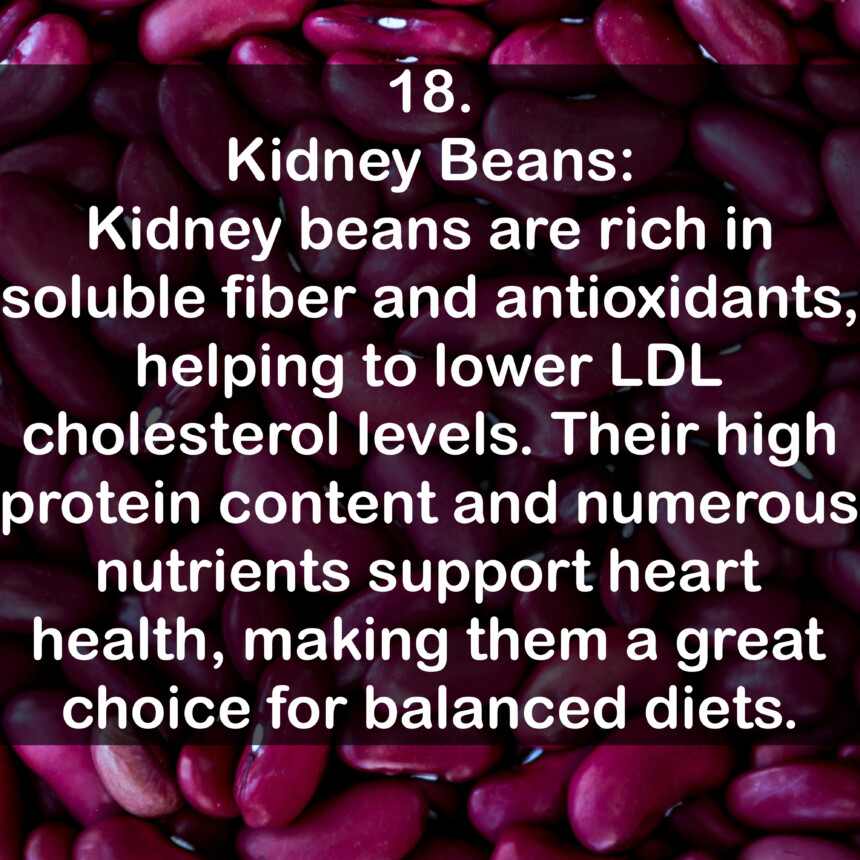
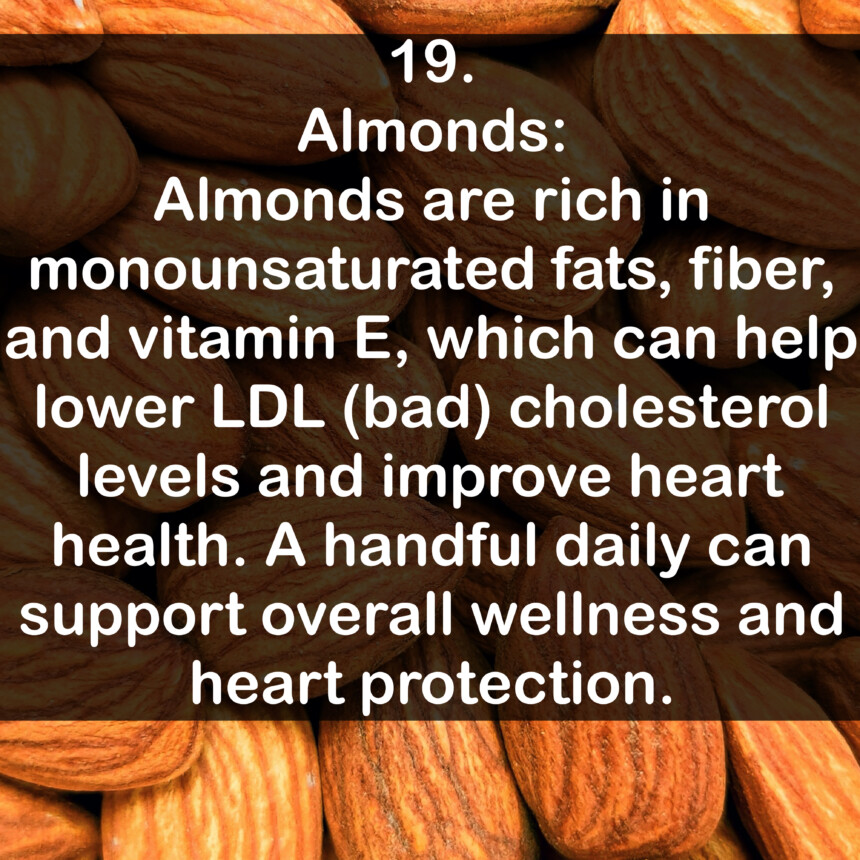
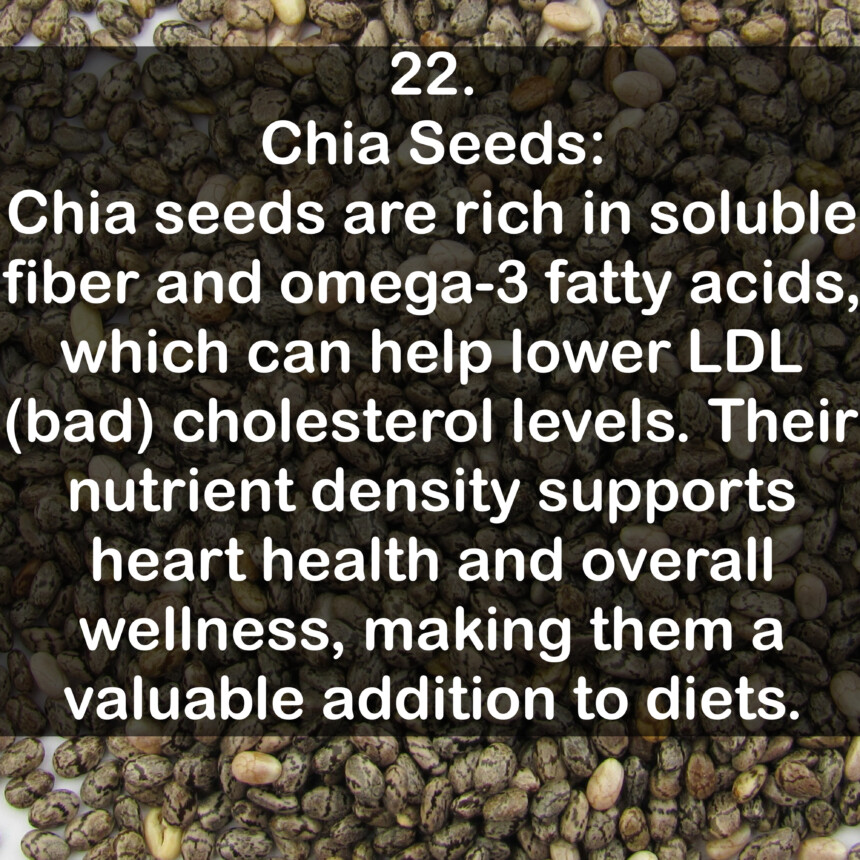
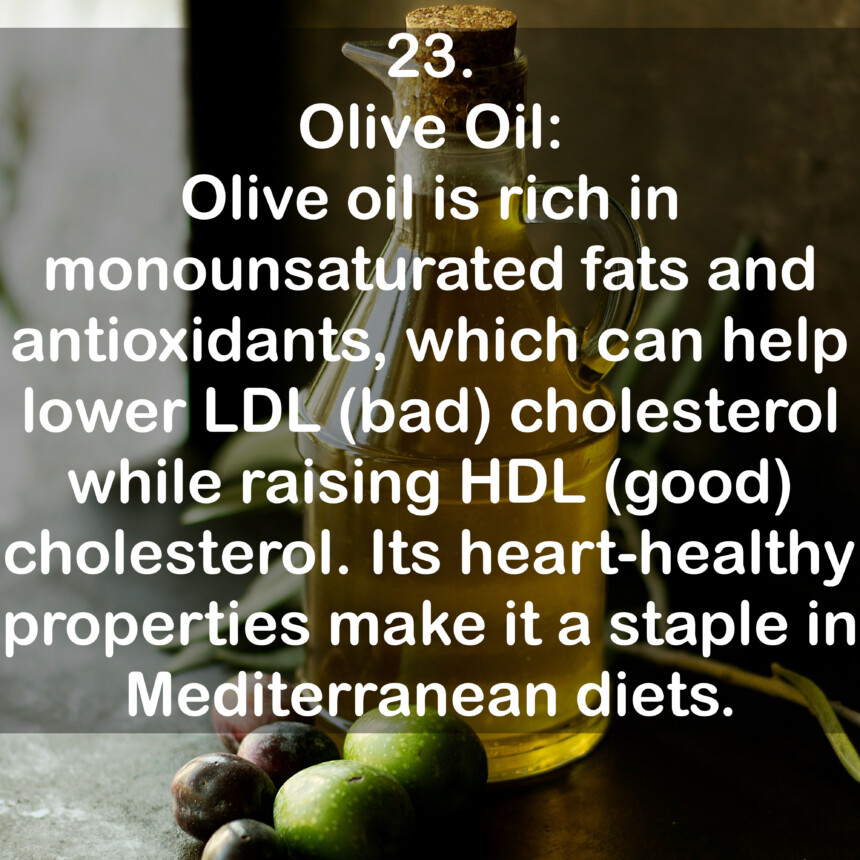
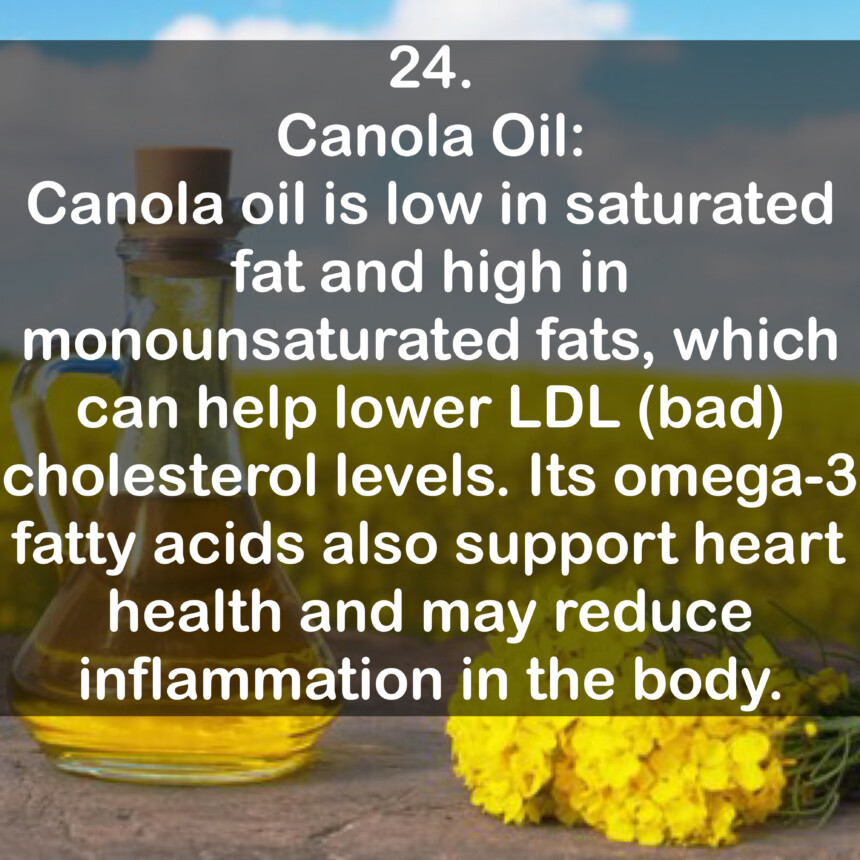
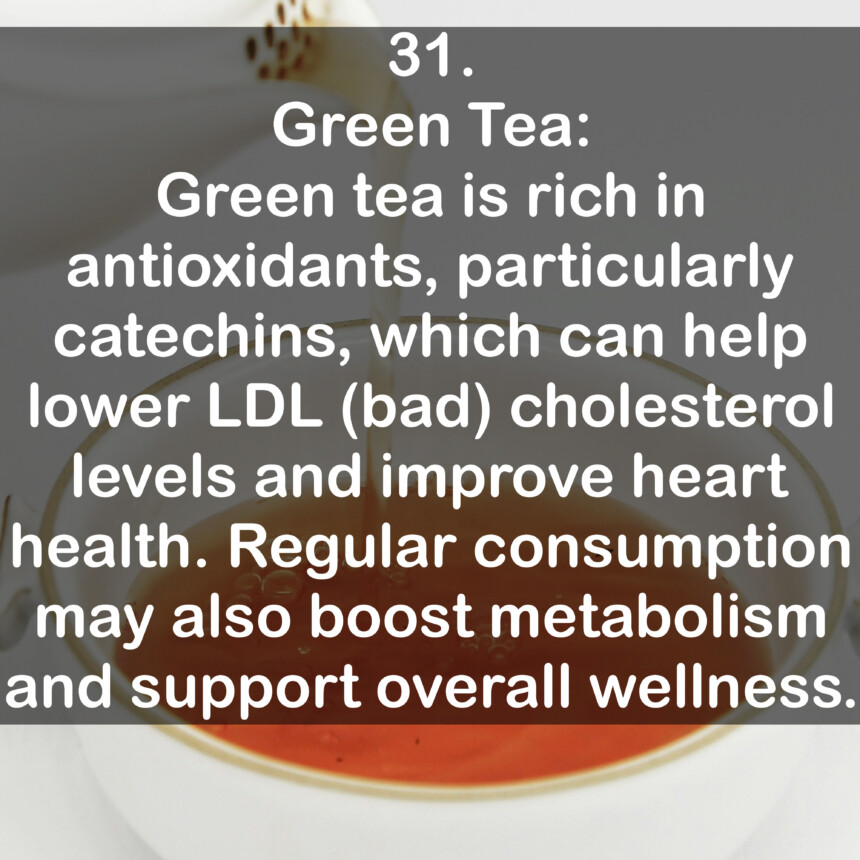
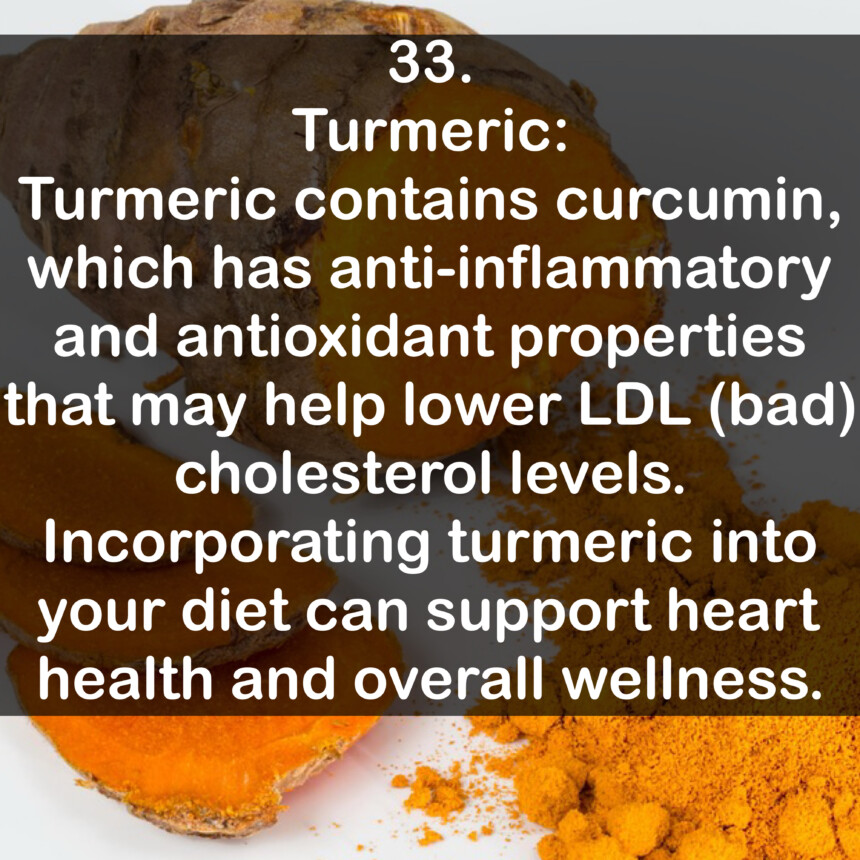
16. Chickpeas (Garbanzo beans): Chickpeas are rich in soluble fiber and protein, which can help reduce LDL (bad) cholesterol levels. Their nutrient profile supports heart health, makes them a versatile food, and aids in maintaining healthy weight.17. Black Beans: Black beans are high in soluble fiber and antioxidants, which can help lower LDL (bad) cholesterol levels. They also provide protein and essential nutrients, promoting heart health and overall wellness in your diet.18. Kidney Beans: Kidney beans are rich in soluble fiber and antioxidants, helping to lower LDL cholesterol levels. Their high protein content and numerous nutrients support heart health, making them a great choice for balanced diets.19. Almonds: Almonds are rich in monounsaturated fats, fiber, and vitamin E, which can help lower LDL (bad) cholesterol levels and improve heart health. A handful daily can support overall wellness and heart protection.20. Walnuts: Walnuts are packed with omega-3 fatty acids, healthy fats, and antioxidants that can help lower LDL cholesterol levels. Regular consumption supports heart health and overall well-being, making them a nutritious choice.21. Flaxseeds: Flaxseeds are high in soluble fiber and omega-3 fatty acids, which can help lower LDL (bad) cholesterol levels. Their antioxidants and nutrients support heart health and may reduce inflammation in the body.22. Chia Seeds: Chia seeds are rich in soluble fiber and omega-3 fatty acids, which can help lower LDL (bad) cholesterol levels. Their nutrient density supports heart health and overall wellness, making them a valuable addition to diets.23. Olive Oil: Olive oil is rich in monounsaturated fats and antioxidants, which can help lower LDL (bad) cholesterol while raising HDL (good) cholesterol. Its heart-healthy properties make it a staple in Mediterranean diets.24. Canola Oil: Canola oil is low in saturated fat and high in monounsaturated fats, which can help lower LDL (bad) cholesterol levels. Its omega-3 fatty acids also support heart health and may reduce inflammation in the body.25. Avocado Oil: Avocado oil is high in monounsaturated fats and antioxidants, which can help lower LDL (bad) cholesterol levels while boosting HDL (good) cholesterol. Its heart-healthy properties make it an excellent cooking oil choice.26. Fatty Fish: Fatty fish, like salmon, sardines and mackerel, are rich in omega-3 fatty acids, which can lower LDL (bad) cholesterol and improve heart health. Regular consumption supports overall cardiovascular wellness and reduces inflammation.27. Tuna: Tuna, particularly fatty varieties like albacore, is rich in omega-3 fatty acids, which can help lower LDL (bad) cholesterol levels and promote heart health. It's a nutritious option for a balanced diet and cardiovascular support.28. Low-Fat Yogurt: Low-fat yogurt is a good source of probiotics, calcium, and protein, which can support heart health. Its low saturated fat content helps maintain healthy cholesterol levels, making it a nutritious dietary choice.29. Skim Milk: Skim milk is low in saturated fat and calories, which can help maintain healthy cholesterol levels. It's a good source of calcium and vitamin D, supporting bone health and providing essential nutrients.30. Dark Chocolate: Dark chocolate, rich in flavonoids, can help lower LDL (bad) cholesterol and improve heart health when consumed in moderation. Choose varieties with at least 70% cocoa for the best health benefits.31. Green Tea: Green tea is rich in antioxidants, particularly catechins, which can help lower LDL (bad) cholesterol levels and improve heart health. Regular consumption may also boost metabolism and support overall wellness.32. Garlic: Garlic contains allicin and other compounds that can help lower LDL (bad) cholesterol levels and improve heart health. Regular consumption may reduce blood pressure and support overall cardiovascular wellness.33. Turmeric: Turmeric contains curcumin, which has anti-inflammatory and antioxidant properties that may help lower LDL (bad) cholesterol levels. Incorporating turmeric into your diet can support heart health and overall wellness.34. Apple Cider Vinegar: Apple cider vinegar may help lower LDL (bad) cholesterol and triglyceride levels due to its acetic acid content. Incorporating it into your diet can support heart health, especially when mixed with water.35. Soy Products: Soy products, like tofu, tempeh and edamame, are rich in protein and isoflavones, which can help lower LDL (bad) cholesterol levels. Regular consumption supports heart health and may improve overall cardiovascular wellness.36. Okra: Okra is high in soluble fiber, which can help lower LDL (bad) cholesterol levels. It also contains antioxidants and nutrients that support heart health, making it a nutritious addition to a heart-friendly diet.Conclusion: Incorporating these foods into your diet, along with maintaining a healthy lifestyle that includes regular physical activity, can help you manage your cholesterol levels effectively. Always consider consulting with a healthcare provider or a registered dietitian for personalized dietary advice, especially if you have specific health concerns.


CLICK “NEXT” Below For More:

NEXT: Top Foods to Lower High Blood Pressure