16 Signs of High Cortisol

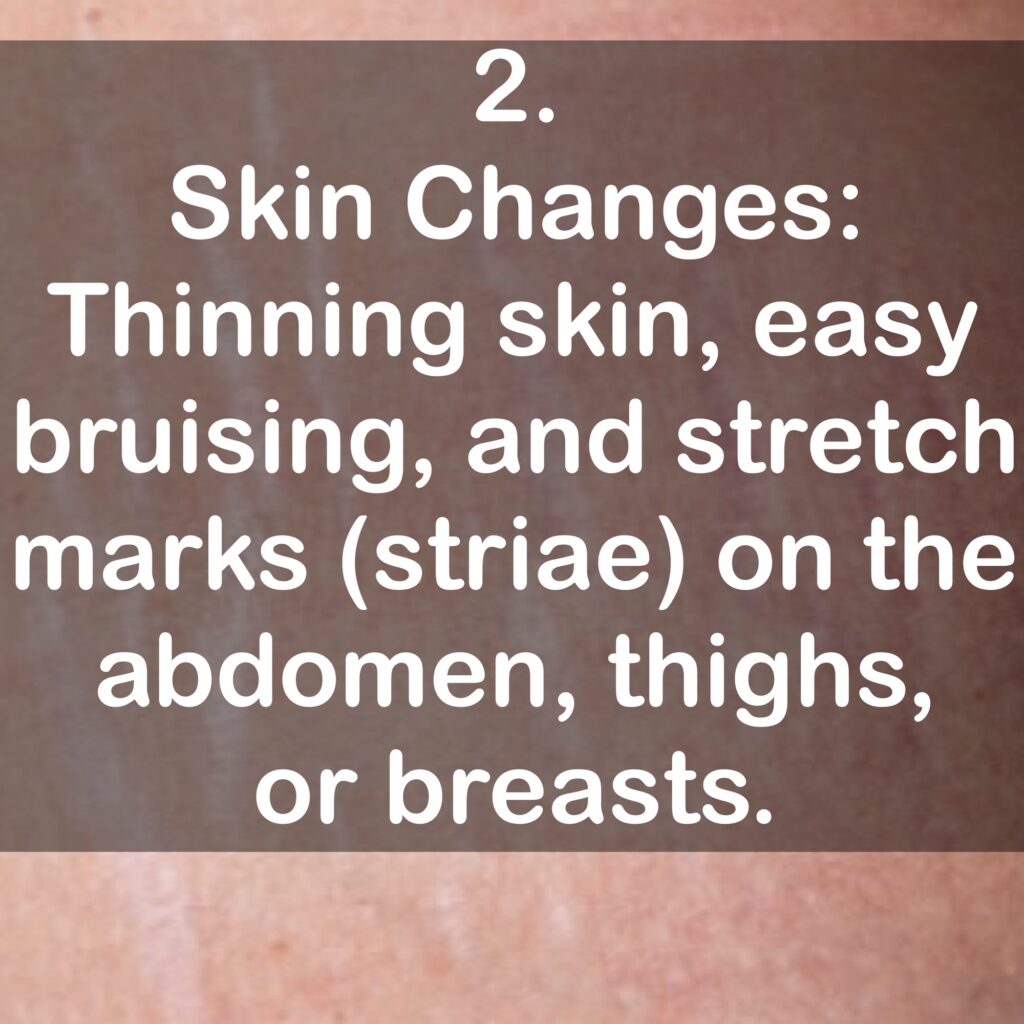
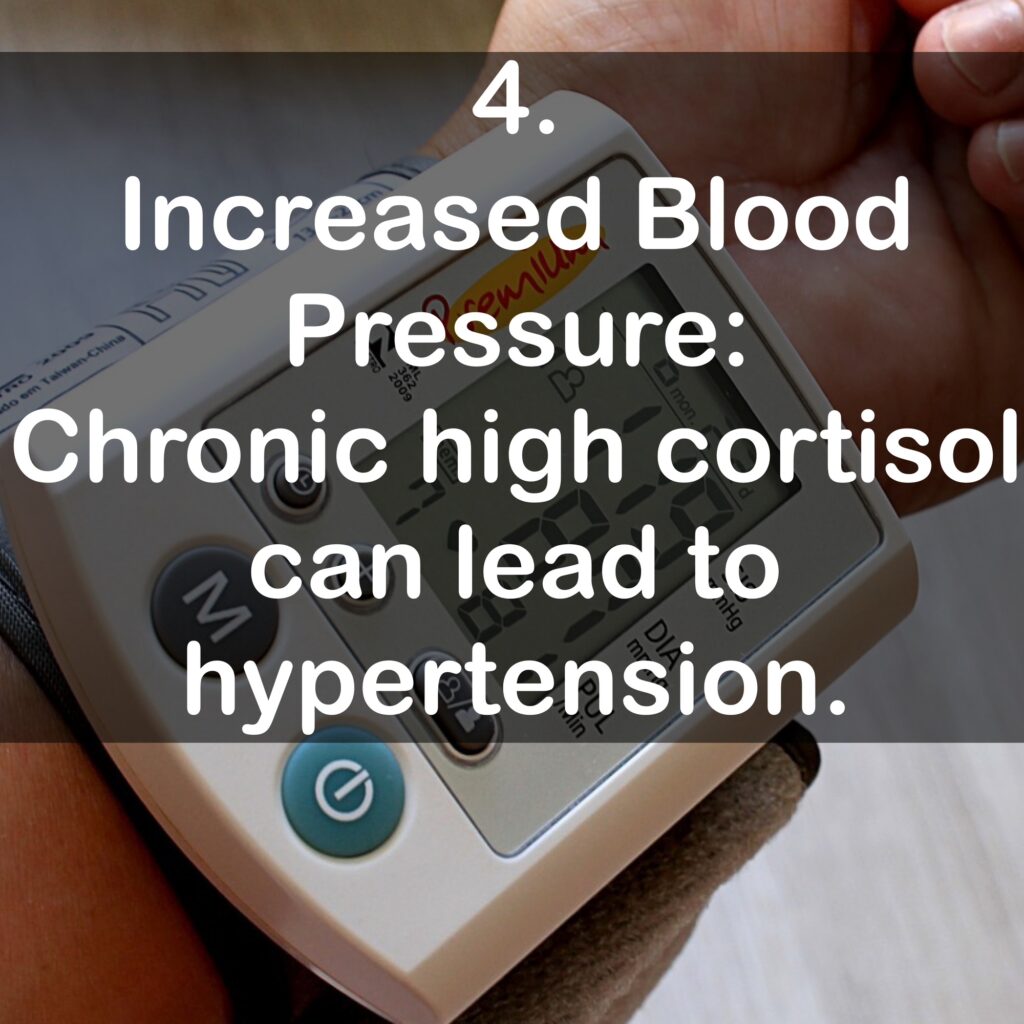
High cortisol levels occur when stress remains constant. Over time, excess cortisol can disrupt hormones, weaken immunity, affect sleep and blood sugar, and increase the risk of weight gain, anxiety, and heart problems.






CLICK “NEXT” Below For More:

NEXT: Top 18 Foods to Reduce Cortisol Levels

Related Links:
- 11 Signs of High Blood Sugar
- 10 Signs of High Blood Pressure
- Signs of High Cholesterol
- Top 18 Foods to Reduce Cortisol Levels
- 9 Signs Your Gut Health Needs Attention
- 14 Signs of Low Testosterone in Men
- 13 Signs of Low Blood Sugar
- 50 Ways too much Sugar affect the body
- Top Foods to Lower High Blood Pressure
- 8 Ways Sleep Deprivation Causes Weight Gain
- Top Foods for Hormone Balance
- High Fiber Foods
- Stop Eating Before Bedtime
- 12 Daily Habits That Transform Your Body
- Decaf Coffee Benefits☕️
- 9 Herbs to Lower High Blood Pressure
- The Truths about Why People are REALLY Fat
- How the Body Burns Calories
- Sugar And The Immune System
- Top High Energy Foods
- Top 20 Testosterone Boosting Foods
- Vitamin K Deficiency Symptoms
- 10 Ways to Stay Full Longer With Smart Eating: A Complete Guide
- Folic Acid Deficiency Symptoms
- Limit Foods High In Cholesterol
- 10 Health Benefits of Pumpkin
- Signs and Symptoms of Dehydration
- Signs Of Skin Cancer
- 5 Signs That You are Eating Too Much Salt
- Top 24 Foods High in Electrolytes
- Top 21 Foods High in Potassium
- Avoid High Fructose Corn Syrup
- How Walking 30 Minutes a Day Burns Fat
- How to Manage Type 2 Diabetes
- 10 Benefits of Pumpkin Seeds
- Eat Frequent Meals
- 8 Benefits of Blueberries
- 10 Benefits of Goji Berries
- Magnesium Deficiency Symptoms🫘
- 10 Benefits of Kiwi Fruit🥝
- 10 Benefits of Strawberries🍓
- Keep Your Body Weight Down
- Causes Of All Chronic Diseases
- Cardio Exercise Benefits
- 14 Benefits of Soursop
- How To Get A Good Night Sleep
- 6 Benefits of Okra
- 10 Health Benefits of Blackberries
- Add High Fiber Foods into Your Diet
- Cigarette Smoke And Vitamin C
- The Impact of Diet and Exercise on blood pressure
- 11 Benefits of Oranges
- 10 Benefits of Jackfruit
- 10 Benefits of Flax seed
- 7 Facts About Dragon Fruit
- Symptoms and Causes of Indigestion
- 10 Health Benefits of Raspberries
- The 2 Types Of Diabetes And How They Differ
- 10 Benefits of Grape fruit
- Calcium Deficiency Symptoms
- The Impact of Diet and Exercise on Blood Sugar Regulation
- 10 Dietary Facts about Potassium
- 10 Benefits of Swiss Chard
- 10 Benefits of Tomato🍅
- Simple Morning Habits That Boost Weight Loss
- Health Effects of Your Meal Frequency and Portion Sizes
- 10 Benefits of Honey🍯
- 12 Benefits of Intermittent Fasting
- 10 Health Benefits of Hazelnuts
- Add Green Foods To Your Diet
- How to Manage Type 1 Diabetes
- Potassium Deficiency Symptoms
- Healthy Ways To Boost Your Energy
- 10 Benefits of Radish
- Benefits of Barley🌾
- 10 Health Benefits of Pomegranate
- Reasons why colon Cleansing is important
- Getting Started on a Low-Carbohydrate Diet – Top Tips You Need to Know
- Tips To Help You Sleep Better
- Dieting for Diabetics: How to Lose Weight When Suffering from Diabetes
- 10 Benefits of Sweet Potato🍠
- 10 Benefits of Beans🫘
- 10 Benefits of Tangerine
- 10 Benefits of Cherries
- 5 Foods That Could Be Causing Your Headaches
- Excess Alcohol & Calcium Absorption
- 10 Foods to Enlist in the Fight Against Diabetes
- 10 Tips For A Better Sleep
- 10 Benefits of Protein
- 7 Reasons To Grow Your Own Organic Vegetable Garden
- 10 Benefits of Peach🍑
- 7 Ways to Improve Your Sleep Quality
- Phosphorus Deficiency Symptoms
- Examine Your Lifestyle & Diet To Prevent Frequent Illness
- 13 Benefits of Walking 10000 Steps a day
- Meditation And Stress
- Maintain A Healthy Metabolism
- 10 Benefits of Apple🍎
- 10 Benefits of Olive oil🫒
- 10 Health Benefits of Cranberries