Fruitarian Diet – Important Things Everyone Should Know


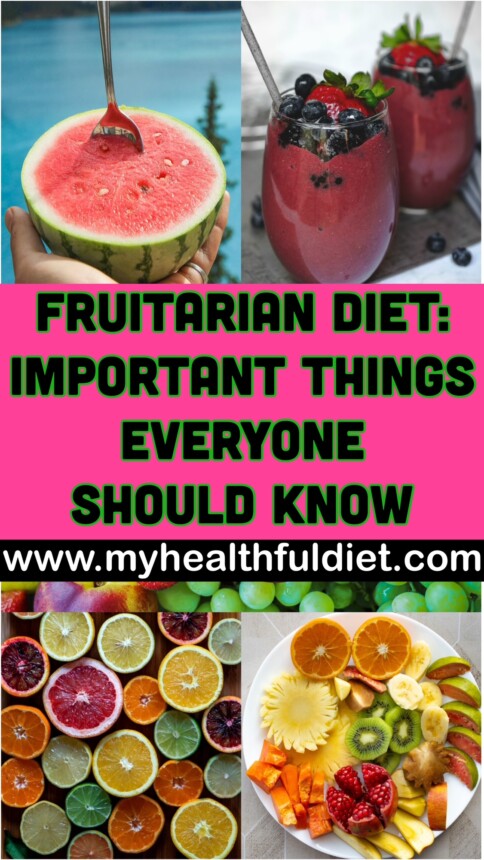 The fruitarian diet is about as strict as it gets when it comes to plant-based eating. It’s linked to ideas like living naturally, detoxing your body, and being kind to the planet. Still, there are big questions about whether you can actually get all the nutrients you need this way. A lot of people first hear about fruitarianism from Instagram, wellness gurus, or those documentaries that make raw, plant-based diets look almost magical. On the surface, it sounds pretty great—just eat loads of fruit and soak up all the good stuff nature has to offer.
But honestly, it’s not that straightforward. There are some upsides to eating mostly fruit, sure, but there are also real hurdles you can’t ignore. Anyone considering it should understand both its potential advantages and the real challenges that come with such an extreme dietary pattern. Before jumping in, it’s smart to learn exactly what this lifestyle involves.
What the Fruitarian Diet Really Is
A fruitarian diet takes veganism to another level. It’s all about fruit—people on this diet usually get 70% to 90% of their calories from it. Sure, some fruitarians eat a handful of nuts, seeds, or maybe a few veggies, but fruit always takes center stage.
This isn’t your average vegan approach. Regular vegan diets can include grains, beans, and pretty much any plant food you can think of, while fruitarianism really narrows things down. The big idea? Fruit feels like the most natural food for humans, mainly because you can pick it without harming the plant itself. And honestly, a lot of fruitarians don’t cook their food, either—they prefer things raw whenever they can.
People don’t all follow the same rules, though. Some stick to sweet fruits like bananas, apples, mangoes, or berries. Others branch out and add things like tomatoes, cucumbers, avocados, or peppers—botanical fruits that you might not even think of as fruit. But no matter how you slice it, the main thing stays the same: fruit makes up most of what they eat.
Why Some People Choose a Fruitarian Lifestyle
People who follow a fruitarian diet usually have a few reasons for doing it, but health tends to come first. Fruits are naturally rich in vitamins, antioxidants, fiber, and water, which can contribute to overall wellness when consumed as part of a balanced diet. Fans of this way of eating say it helps clean out your system, keeps your digestion running smoothly, boosts your energy, and even clears up your skin. Since fruit doesn’t have much fat or calories, it’s pretty common for people to lose weight on this diet too.
But it’s not just about health. For some, the environment and ethics matter just as much. Growing fruit usually leaves a smaller mark on the planet than raising animals, and picking fruit doesn’t involve killing animals or tearing up whole plants the way harvesting some other crops does.
Honestly, there’s something appealing about how simple it feels. You don’t have to worry about processed foods, weird additives, or planning complicated meals. Most days, it’s just whole fruit, all day long. That kind of straightforward eating feels refreshing—and, let’s be real, a lot less stressful.

The Nutritional Reality of Eating Mostly Fruit
While fruits provide many beneficial nutrients, they do not contain everything the human body needs to function optimally. One of the biggest concerns with the fruitarian diet is nutrient deficiency.
Protein’s a real problem. Fruits barely have any, and while you can get small amounts from things like nuts or seeds, hitting your daily target is tough without adding foods like beans or grains.
Vitamin B12 is another big one. Your body needs it for healthy nerves and blood cells, but you won’t find it in fruit. Go too long without B12, and you’re looking at fatigue, nerve issues, even anemia.
Minerals such as iron, calcium, zinc, and iodine can also be insufficient in a strict fruitarian diet. While fruits contain some of these nutrients, the quantities are often too small to meet daily requirements.
And don’t forget healthy fats. Your body needs them for hormones, brain function, and absorbing nutrients. Unless you’re eating a lot of avocados or loading up on nuts and seeds, you’ll probably fall short on essential fatty acids. So, while fruit’s great, it’s just not enough on its own.
Blood Sugar and Energy Considerations
Fruit is naturally high in carbohydrates, especially in the form of natural sugars like fructose and glucose. For many people, eating fruit provides quick energy and can support physical activity.
But if you eat a ton of fruit all day, your blood sugar can swing up and down. When you don’t pair that fruit with enough protein, fat, or complex carbs, you might notice your energy goes way up, then crashes just as fast.
People with diabetes or insulin resistance should be particularly cautious. Even though fruit contains fiber and nutrients, large amounts of sugar from fruit can still affect blood glucose levels.
Digestive Effects of a Fruit-Heavy Diet
One of the most commonly reported experiences among new fruitarians is improved digestion. Because fruits contain a high amount of fiber and water, they can help support regular bowel movements and gut health.
But if you jump straight in and load up on fiber, your gut might freak out a little—especially if you’re used to a regular Western diet. Bloating, gas, maybe even some diarrhea can hit while your body figures things out.
Then there’s the acidity in some fruits. If you eat a ton of citrus or tropical fruits, your stomach might get irritated. And don’t forget your teeth—eating lots of acidic, sugary fruit all day can wear down your enamel if you’re not careful.
Social and Lifestyle Challenges
Beyond nutrition, the fruitarian diet can be difficult to maintain in everyday life. Eating mostly fruit limits food choices significantly, which can make dining out or attending social gatherings challenging.
Just try going out to eat or joining a family dinner—almost everything centers around grains, beans, or cooked dishes. If you want to stick to fruit, you pretty much have to plan ahead or show up with your own food.
There’s the cost, too. Good fruit, especially if you want organic or something a little out of the ordinary, can get pricey. And if you live somewhere that doesn’t have fresh produce year-round, keeping up with a fruitarian diet just isn’t realistic.
What Health Experts Generally Recommend
Most nutrition experts will tell you that fruit deserves a spot in any healthy diet, but don’t lean on it as your main food group. You get a lot more out of your meals when you mix things up—fruits, sure, but also vegetables, whole grains, legumes, nuts, and good fats. That’s how you cover all your nutritional bases.
Honestly, eating well comes down to moderation and variety. Fruit brings vitamins, fiber, and antioxidants to the table, but it does its job best alongside other nutrient-packed foods.
If you’re thinking about plant-based eating, dietitians usually steer people toward whole-food vegan or vegetarian diets. These options let you load up on plant foods without missing out on key nutrients. Sticking to nothing but fruit? That’s pretty limiting, and you just don’t get the same balance.
Is the Fruitarian Diet Right for Everyone?
If you love fruit, crave simple meals, or just want to try eating more plants, the fruitarian diet probably sounds interesting. Some people jump into it for a quick detox or just to challenge themselves for a week or two.
But let’s be real—sticking with this diet long-term usually isn’t a great idea. You can miss out on important nutrients, and that’s not something to take lightly. So if you’re thinking about going fruitarian, take some time to do your homework. Better yet, talk to a healthcare pro or a registered dietitian who knows what they’re doing.
Before you dive into any kind of restrictive eating plan, really get to know what your body needs. Just because something works for someone else doesn’t mean it’s right for you—especially when we’re talking about your everyday nutrition.
The Bottom Line
The fruitarian diet takes plant-based eating to the extreme—pretty much everything revolves around fruit. Sure, fruit is great for you, but living on it alone leaves some pretty big holes in your nutrition. That catches up with you over time.
Honestly, for most people, the best way to eat isn’t about cutting out whole food groups. It’s about mixing things up and keeping your diet balanced. Fruit absolutely deserves a starring role, but it’s just one piece of the puzzle.
If you’re thinking about trying fruitarianism, go in with your eyes open. Know what you’re getting into, be realistic, and don’t be afraid to change course if it’s not working for you. At the end of the day, nutrition should cover everything your body needs—not just what fits into one category. Discover Our Books Below: