Low-Carb Diet Plan: Top Tips You Need to Know


 Low-carb diets are everywhere these days. People jump in hoping to lose weight or feel better, and at first glance, it all seems pretty straightforward—just swap out the bread and pasta for more protein and healthy fats. But honestly, sticking with it is a whole different story. Lots of people start out excited, then struggle to maintain it because they lack the right strategy or realistic expectations.
The thing is, a well-thought-out low-carb plan does more than just help you drop a few pounds. It can steady your blood sugar, cut down cravings, and give you a steady boost of energy. But here’s the catch: real, lasting results come from balance. It’s not about cutting every carb you see or making yourself miserable. It’s about choosing the right foods and building habits you can actually live with. That’s where the real magic happens.
Understanding How a Low-Carbohydrate Diet Works
Carbohydrates give your body quick energy. You get them from foods like bread, pasta, rice, potatoes, and anything sugary. Once you eat carbs, your body turns them into glucose. That glucose goes into your blood, your blood sugar rises, and then your body releases insulin. Insulin’s job is to move that glucose into your cells, where it gets used for energy or stored for later.
If you cut back on carbs, you naturally eat less of those foods, which brings your blood sugar and insulin levels down. When your body gets fewer carbs, it starts burning stored fat for fuel. That shift can help burn fat and make your metabolism work better.
But cutting carbs doesn’t mean you have to ditch them completely. Carbs are still important—they give you fiber, vitamins, and minerals. The trick is to pick foods that are packed with nutrients and skip the highly processed stuff and added sugars.
Choosing the Right Carbohydrates
If you’re cutting back on carbs, the kind you eat really matters. Some carbs—think white bread, pastries, soda—hit your system fast and send your blood sugar on a rollercoaster. Not great.
On the other hand, carbs from real food—like veggies, beans, and certain fruits—break down slower. They bring along fiber and nutrients your body actually wants. You get steadier energy and your gut stays happier.
Most people on a low-carb diet load up on non-starchy veggies. Foods like spinach, broccoli, zucchini, peppers, and cauliflower. They’re low in carbs but packed with vitamins and antioxidants, so they’re perfect for everyday meals.

Increasing Protein Intake for Satiety
Protein does a lot of heavy lifting on a low-carb diet. It keeps your muscles strong, supports your metabolism, and helps you stay full longer—so you’re less likely to snack on junk between meals. That feeling of fullness makes a real difference when you’re trying to avoid overeating.
Think lean meats, poultry, fish, eggs, tofu, and Greek yogurt. All of these fit right into a low-carb plan. When you add protein to every meal, your blood sugar stays steadier and prevents the energy crashes often associated with high-carb diets.
There’s another perk: your body actually works harder to digest protein than it does with carbs or fat. That means you burn a few extra calories just by eating it. It’s a small boost, but every bit helps.
Incorporating Healthy Fats
A lot of people think going low-carb means you can pile on as much fat as you want, but that’s just not true. Sure, healthy fats are part of the plan, but you still need some balance. Fats help keep your energy steady and round out your nutrition.
Good choices? Avocados, nuts, seeds, olive oil, and fatty fish. They’re loaded with things like omega-3s and monounsaturated fats—great for your heart and they help fight inflammation.
Add a reasonable amount of these fats to your meals, and suddenly food tastes better and actually fills you up. When you feel satisfied, sticking to your diet gets a whole lot easier. No more feeling like you’re missing out.
Managing the Transition Period
When you cut back on carbs, your body needs some time to adjust. At first, you might feel tired, get headaches, or just feel cranky while your system switches over to burning fat for fuel. People call this the “low-carb adaptation period,” and honestly, it can feel a bit rough.
Drinking plenty of water, getting enough electrolytes, and making sure you’re actually eating enough can make things easier. Usually, after a week or two, your energy picks back up as the body becomes more efficient at burning fat for energy.
Just knowing this phase doesn’t last forever really helps you stick with it in those first challenging days.
Paying Attention to Portion Balance
Even though low-carb diets focus less on calorie counting, portion awareness still matters. If you load up on high-calorie foods, you can end up stalling your progress, whether you’re trying to lose weight or just feel better.
Putting together meals with a good mix of protein, healthy fats, and plenty of fiber-rich veggies does wonders. It keeps you full and your blood sugar steady, so you don’t get those wild hunger swings later in the day.
It also helps to slow down and actually listen to your body’s hunger signals. A lot of people notice that when they cut back on carbs and eat more nutrient-dense foods, their natural appetite regulation improves significantly. You feel satisfied sooner, and it’s easier to avoid overeating.
Planning Meals for Consistency
Sticking to a low-carb diet gets tricky when you’re busy and healthy food isn’t right there in front of you. In those moments, grabbing something high in carbs just feels easier.
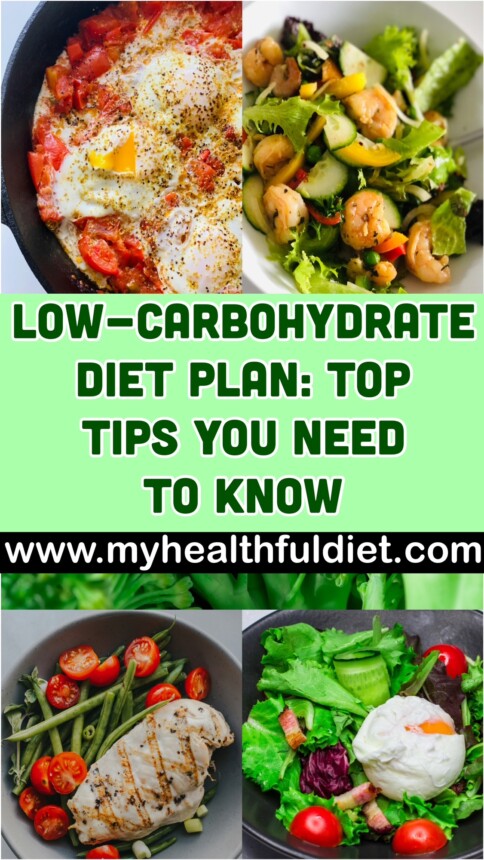
That’s where meal planning really saves the day. When you prep simple meals ahead—think grilled chicken and veggies, protein-packed omelets, salads with chicken or beans, or a quick veggie stir-fry—you always have something good ready to go.
Honestly, it’s about being steady, not perfect. Missing the mark here and there won’t ruin your progress. What matters is having some structure, so those healthy habits stick around for the long haul.
Staying Hydrated and Supporting Digestion
Reducing carbohydrates can cause the body to release stored water, which may lead to dehydration if fluid intake is not maintained. Staying hydrated isn’t just about avoiding thirst—it actually keeps your energy up, helps with digestion, and just makes you feel better overall.
Fiber intake is another factor to consider. While many high-carb foods contain fiber, a low-carb diet can still provide adequate fiber through vegetables, nuts, seeds, and certain fruits. These foods support digestive health and help maintain regularity.
Mixing in different plant-based foods is also a smart move. Even with fewer carbs, you still get the important vitamins and minerals your body needs.
Focusing on Long-Term Sustainability
The best diet is one you can actually stick with. If you’re going low-carb, it shouldn’t feel like you’re punishing yourself or counting down the days until it’s over. Instead, think of it as a flexible way of eating that fits your life and helps you stay healthy.
Many people find success by customizing the level of carbohydrate intake based on their individual needs, activity level, and health goals. Some individuals thrive on very low carbohydrate intake, while others perform better with moderate amounts of complex carbs.
The key is to pay attention to how you feel and adjust as you go. That’s what makes eating habits last.
The Bottom Line
Cutting back on carbs can really change the way you feel—more energy, better focus, and it’s a solid way to manage your weight. It’s not about following crazy strict rules or swearing off every treat, either. The real trick is to skip the refined stuff and fill your plate with things like vegetables, good proteins, and healthy fats. That’s where you get balance and real nutrition.
People who do well with low-carb eating usually aren’t obsessing over every little rule. They just pay attention to how different foods make them feel and stick with the choices that help them stay healthy in the long run.
When you keep it simple and focus on what works for you, eating low-carb stops feeling like a diet and starts to feel like a lifestyle—something you can actually stick with. And honestly, that’s where the real changes happen. Discover Our Books Below: