Foods That Improve Digestion Naturally
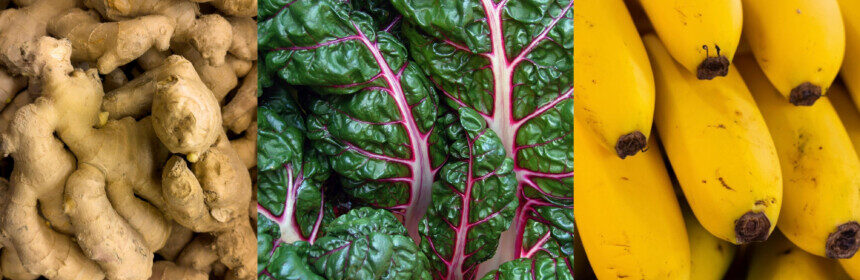


Most of us barely give our digestive system a second thought—until something goes wrong. Suddenly, bloating, constipation, heartburn, or unpredictable bathroom trips can drag down your energy and mess with your mood. Here’s the upside: you don’t need fancy supplements or a total diet overhaul to feel better. Usually, it just takes a few basic, natural foods that actually help your body do its thing.
If you’re looking to support your gut in a sustainable way, these ten foods can improve digestion naturally while fitting easily into your everyday meals.
Yogurt: A Natural Source of Probiotics
Yogurt’s been a go-to for gut health for ages, and there’s a real reason for that. The traditional stuff, the kind that says “live and active cultures” on the label, is packed with good bacteria. These probiotics help your body break down food, soak up nutrients, and they even keep things like bloating or mild constipation in check.
If you want the most out of it, stick with plain, unsweetened yogurt. The flavored ones usually sneak in a lot of sugar, and that just throws your gut off balance. Not a fan of dairy? No problem—plant-based yogurts with live cultures can work just as well.
Ginger: A Time-Tested Digestive Aid
People have turned to ginger for ages to calm their stomachs. It actually gets your body moving—boosting saliva, bile, and those digestive juices so food doesn’t just sit there. You end up feeling lighter after eating, and it knocks back that annoying nausea too.
You don’t have to do anything fancy. Brew some fresh ginger tea, toss a bit of grated ginger into your stir-fry, or just chew on a small piece after a big meal. It’s an easy, natural fix that really works.
Papaya: Enzyme Support for Smoother Digestion
Papaya contains papain, a digestive enzyme that breaks down proteins, so it’s great after a heavy, protein-filled meal. If you eat it regularly, you’ll probably notice less bloating and just feel better overall.
It’s easy to fit papaya into your day—slice it up for a snack or toss some into a smoothie. It’s light on your stomach, tastes good, and feels really refreshing.

Oats: Gentle Fiber for a Healthy Gut
Fiber plays a big role in keeping your digestion on track, and oats are packed with a special kind called beta-glucan. When you eat oats, this fiber soaks up water and turns into a kind of gel, which makes it easier for everything to move through your system.
Kick off your morning with a bowl of oatmeal, and you’ll notice your digestion feels smoother all day. There’s more to it, too—oats work like a prebiotic, so they actually feed the good bacteria in your gut and help build a healthier microbiome.
Kefir: A Potent Probiotic Drink
If you’re looking to boost your probiotics, kefir’s got you covered. This fermented milk drink packs more good bacteria and yeast than regular yogurt, so it does more for your gut and can help ease digestive issues.
Drink it straight, toss it in a smoothie, or use it as a salad dressing base. That tangy flavor? It goes great with fruit and fresh herbs.
Leafy Greens: Fuel for Good Bacteria
Leafy greens like spinach, kale, and Swiss chard pack a lot of fiber and magnesium, which both help your digestion work smoothly. Magnesium actually helps your muscles contract—including the ones that keep food moving through your gut.
These greens also have compounds that feed the good bacteria in your gut. If you lightly sauté or steam them, they’re easier on your stomach and you still get all those nutrients.
Bananas: Gentle and Effective
Bananas go easy on your stomach and pack a good amount of fiber. Thanks to pectin—a soluble fiber—they help keep things moving smoothly in your gut. If you’re dealing with mild diarrhea, bananas can help firm things up. On the flip side, ripe bananas also help with constipation.
Plus, they’re super convenient. Just grab one and toss it in your bag. No prep, no mess—just a quick, gut-friendly snack whenever you need it.
Sauerkraut: Fermented Support for Gut Health
People are turning to fermented foods these days, and it’s easy to see why. Take sauerkraut, for example. It’s basically cabbage that’s been fermented until it’s packed with natural probiotics—those friendly bacteria that keep your gut in good shape. Plus, you get a healthy dose of fiber, so your digestion gets a one-two punch.
If you want the real benefits, grab the raw, unpasteurized sauerkraut from the refrigerated section at the store. The pasteurized stuff just doesn’t have the same live cultures, so it won’t help your digestion as much.
Apples: Fiber and Natural Prebiotics
Apples pack both soluble and insoluble fiber, so you get the best of both worlds. Pectin, the main soluble fiber in apples, feeds the good bacteria in your gut. Insoluble fiber? That’s the stuff that keeps things moving and helps you stay regular.
If you eat apples with the skin, you get even more fiber. They’re easy to find, don’t cost much, and honestly, they just work when it comes to keeping your digestion on track.
Bone Broth: Soothing and Supportive
Bone broth’s having a moment right now, especially when it comes to gut health. It’s packed with gelatin and amino acids like glutamine, which help keep your digestive tract lining strong. If your stomach’s acting up or you just want something gentle, bone broth goes down easy and feels calming.
You can drink it straight or toss it into soups and stews. It really hits the spot in the colder months or anytime your stomach needs a little extra care.
You don’t have to overhaul your life to improve digestion. Most of the time, it just comes down to sticking with good habits and finding the right balance. Adding probiotic foods like yogurt, kefir, or sauerkraut keeps your gut bacteria happy. Load up on fiber with oats, apples, leafy greens, or bananas—they help keep things moving and feed the good bugs in your gut. Fruits like papaya bring in helpful enzymes, while ginger and bone broth can calm things down when your stomach feels off.
Still, listen to your body. Sometimes even the healthiest foods feel rough if you try to do too much at once. Go slow with fiber, drink enough water, and try to eat around the same times every day—these small things make a big difference.
Your gut isn’t just about digestion. It affects how you feel, how much energy you have, and even your mood. The good news? You don’t need to complicate things. Just work these foods into your daily meals, and you’ll lay the groundwork for better digestion and a healthier you, one bite at a time.