How Nature Can Boost Your Mood: Unlocking the Power of the Outdoors


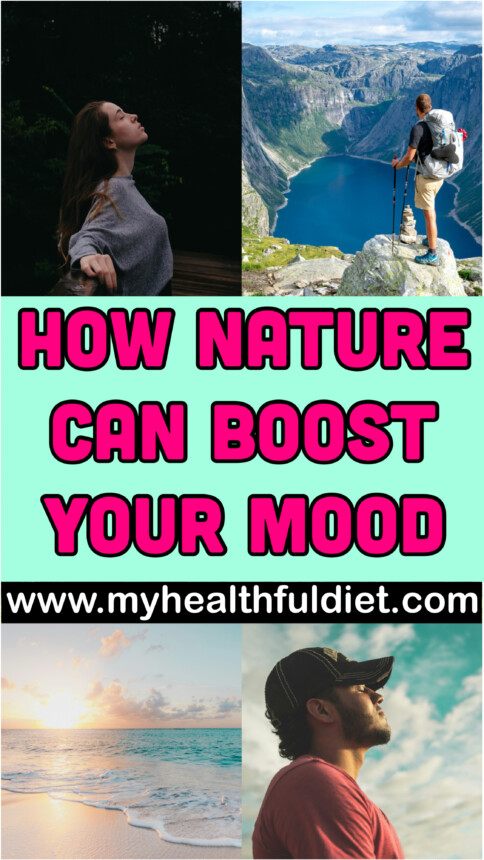
Getting outside is one of the easiest ways to boost your mood. These days, we spend so much time inside—staring at screens, surrounded by artificial lights, stuck in airtight rooms—that we forget how much we actually need nature. The thing is, you don’t have to make any huge changes to feel better. Go for a walk in the park, spend a few hours hiking, or just sit under a tree for a bit. Even small moments like these can really change how you feel, inside and out.
This article explores how nature boosts your mood, why it works, and how you can harness the power of the outdoors in your daily life.
The Science Behind Nature and Mood
Researchers have looked at how spending time outside affects our minds for years, and the answer’s pretty clear: being in nature helps. It cuts down stress, sharpens your focus, and lifts your mood.
There’s this idea called the “biophilia hypothesis.” Edward O. Wilson came up with it, and it boils down to this: people naturally crave a connection with nature and living things. Our brains still carry the imprint of thousands of years spent close to the wild. Sure, modern city life is convenient, but it’s also pretty new in the grand scheme of things. So when we head outdoors, it’s like we’re going back to a place our bodies already know and trust.
Even a short walk in a park makes a real difference. Cortisol—your main stress hormone—drops. Heart rate slows down. Your muscles let go of tension. Thoughts quiet down. All these changes show up as a better mood and a sense of calm that just feels good.
Nature as a Natural Stress Reliever
Stress sneaks into daily life all the time. Deadlines pile up, your phone keeps buzzing, traffic crawls, and you’re juggling a dozen things at once. It all pushes your body into that tense, wired state that never really lets up. But then—nature steps in and flips the script.
Step into a forest, walk along the shore, or just find a quiet park bench. Suddenly, everything feels different. Sirens fade out. The harsh light from your laptop or the office overheads disappears. Instead, you hear the wind rustling leaves, birds singing, maybe the sound of water nearby. Natural light replaces the glow of screens and helps set your body’s clock, which means better sleep—a huge boost for your mood.
Nature does something else, too. It slows you down. Your breath gets deeper, your pace eases up. You stop rushing. You actually notice what’s around you. That simple pause gives your nervous system a break. And if you make a habit of spending time outside, you start to handle daily stress a lot better. It’s like a quiet reset button, waiting for you just beyond the noise.

How Nature Reduces Anxiety and Depression
Mood disorders like anxiety and depression are complicated, with lots of things influencing how they show up. Still, more and more research points to time outside as a real help for managing symptoms.
Nature has a way of quieting those endless, negative thought loops that come with depression. Maybe you’re walking under tall trees or just sitting by the ocean. Your mind starts to settle on what’s right in front of you—the sound of leaves, the feel of the breeze—instead of getting stuck in old worries.
Moving your body outdoors matters too. Whether you’re hiking, biking, or just pulling weeds in the garden, you get a double boost: exercise plus fresh air. Physical activity ramps up endorphins and encourages your brain to make more serotonin and dopamine—the chemicals that help keep your mood steady. Sunlight and open air make all of that even stronger.
Sunlight, especially, has its own power. It helps your body make vitamin D, which plays a big role in keeping your mood balanced. When you miss out on sunshine, your mood can dip—no wonder people often feel low during the darker months when days are short. That’s why conditions like Seasonal Affective Disorder show up just as the sunlight disappears.
The Cognitive Benefits of Green Spaces
Mood isn’t just about how you feel—it’s tied to how clear your head is and how much your brain’s juggling. When your mind’s packed to the brim, you get snappy. Frustration creeps in.
Nature really helps here. Psychologists call it “attention restoration.” Cities force you to keep your guard up all the time—watching cars, reading signs, replying to messages. That kind of focus wears you out. Out in nature, it’s different. Your attention softens. You watch clouds drift, leaves rustle, water move. You’re tuned in, but it doesn’t take much effort.
This break gives your brain’s control center a chance to catch its breath. After a walk in the park or time among trees, people think more clearly. They solve problems more easily. Ideas come quicker. Your mood lifts when your mind isn’t bogged down. It just feels lighter.
Nature and Social Connection
People are social by nature, and our moods lean heavily on the relationships we build. Spending time outside does something subtle but real for those connections.
Think about hiking with friends, sharing a picnic, or just walking the dog. These kinds of moments create space for easy, relaxed conversation. When you leave the screens behind and drop the stiff rules of being indoors, you start to notice how much more genuine your interactions feel. There’s something about moving together—walking side by side—that makes it easier to talk, compared to staring at each other across a table.
Neighborhood parks work the same magic, just in a different way. You run into people you recognize, and that simple recognition helps you feel like you belong. Even tiny things, like waving to a neighbor on your morning walk, can boost your mood. It all adds up.
The Micro-Dose Effect: Small Moments Matter
You don’t have to pack up and move to the country just to feel better. Even a quick step outside can lift your mood. Studies show that a simple 20-minute walk through a park can drop your stress levels. Just sitting in a garden during lunch? That clears your head for the rest of the day. Even cracking open a window for some sunlight and fresh air shifts how you feel, even if it’s subtle.
Having indoor plants or a wooden desk helps, but nothing really beats getting outside. Just looking at trees or grass—anything green—gives your brain a break. If you’re swamped, don’t sweat it. Think small: five minutes outside between calls, a quick walk after dinner, coffee on the balcony instead of hunched over a keyboard.
The secret isn’t spending hours outdoors. It’s about showing up for those little moments. Do it often enough, and you’ll notice the difference.
Reconnecting in a Digital Age
Let’s be real—technology makes life easier and keeps us connected, but it also means we’re glued to screens way more than ever. All that nonstop scrolling and notifications? It chops up your focus and ramps up anxiety. Stepping outside is a real fix for that.
When you ditch your devices for a while and head into nature, your brain finally gets a breather. No buzzing, no pings—just quiet. You don’t have to toss your phone forever. Just set some rules for yourself. Maybe keep your phone tucked away on a walk. Don’t worry about snapping photos of everything. Just let yourself be there.
You really start to feel the difference between the chaos of digital life and the peace you find outside. Stick with it and, before long, you’ll want that outdoor time—not to run away from things, but because it actually helps you reset.
Making Nature a Habit
If you want to really feel the benefits of being outdoors, make it a real priority—not just something you squeeze in if you have time. Put it on your calendar like you would a workout or an important meeting. Look for green spaces close to your home or office. Catch some sunlight in the morning to kickstart your day. If mornings aren’t your thing, an evening stroll can help you relax and shake off stress.
Don’t overthink it. Just pick one or two outdoor habits you can stick to each week. As you start noticing your mood lift, your energy pick up, or your thoughts clear out, you’ll want to keep going.
Pay attention to how you feel before and after you step outside. Really notice it. That little bit of reflection makes the benefits more obvious. When you see for yourself that a quick walk actually lightens your mood or eases your tension, you’ll find yourself going out again—almost without thinking.
A Return to Something Essential
Nature’s real strength is how simple it is. Out there, no one expects you to hustle or put on a show. You just show up and breathe.
Honestly, in a world that never slows down, that kind of invitation hits different. Step outside and you’re not just swapping four walls for a tree or two—you’re shifting your whole mindset. Your body relaxes, your focus changes, and your mood starts to settle. You start syncing up with something way older, steadier, and calmer than anything on your phone.
So next time you’re feeling off, maybe skip the endless scrolling or online shopping. What actually helps? Sunlight on your skin. Fresh air in your lungs. Standing still for a moment, feeling the ground hold you up.
Nature isn’t some fancy escape. It’s always there, right outside, ready to pull you back to yourself.