The Best Cardio Workouts for Burning Fat


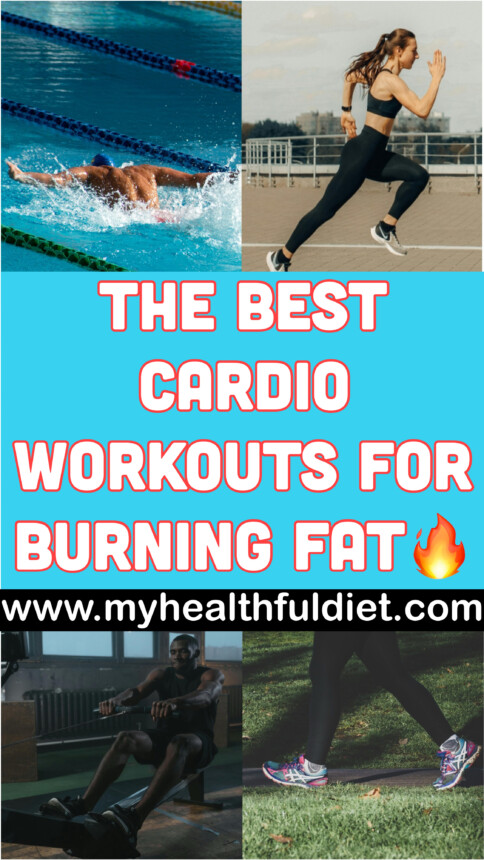 Whenever people start talking about losing fat, cardio always comes up. Makes sense, right? The right kind of cardio doesn’t just burn calories while you’re sweating it out—it actually changes how your body handles energy, boosts your metabolism, and helps you keep fat off for good.
But not all cardio is created equal. Some workouts burn through calories fast, but they’ll wear you out. Others are way easier to fit into your life, and you can keep doing them for years without burning out. So, the trick isn’t to pick the toughest routine out there. It’s about finding something that works, and—most important—you can actually stick with. Consistency wins every time.
Let’s break down the best cardio workouts for burning fat, and how to use them wisely.
Understanding How Cardio Burns Fat
Before diving into specific workouts, it’s important to understand what actually burns fat. Fat loss happens when you consistently burn more calories than you consume. Cardio helps create that calorie deficit by increasing your total daily energy expenditure.
But cardio does more than just burn calories during the workout. High-quality cardiovascular training can:
* Improve insulin sensitivity
* Increase mitochondrial efficiency
* Boost metabolic rate
* Enhance recovery and overall fitness
Some workouts burn a high number of calories in a short time. Others train your body to rely more heavily on fat as a fuel source. The best fat-burning plan usually includes a mix of both.
High-Intensity Interval Training (HIIT)
If efficiency is your priority, high-intensity interval training—often called HIIT—is one of the most powerful tools available.
HIIT mixes short, all-out bursts with quick recovery breaks. Picture this: you sprint as hard as you can for 30 seconds, then slow it down to a walk for a minute. Keep repeating those intervals for about 15 to 25 minutes, and that’s your workout.
The real magic of HIIT comes from how intense it gets. Those tough intervals push you past your comfort zone, cranking up your heart rate and making your body work harder for oxygen. Even after you stop, your body keeps burning calories at a higher rate—thanks to something called excess post-exercise oxygen consumption, or EPOC.
Studies show HIIT helps you lose body fat without sacrificing muscle. It’s a great option if you don’t have much time. Honestly, just 20 minutes of HIIT can do as much for you as a much longer, steady-paced workout.
But here’s the thing—HIIT is tough. If you try to do it every day, you’ll probably burn out or end up hurt. Most people get good results with just two or three sessions a week. That’s plenty.
Steady-State Cardio
HIIT usually gets all the attention, but steady-state cardio still works—and it’s way more doable for most people.
This kind of cardio is simple: you move at a steady, moderate pace for about 30 to 60 minutes. Brisk walks, slow jogs, cycling, swimming—anything where you can still chat with someone while you’re at it.
Steady-state cardio leans on aerobic metabolism, so your body burns more fat for fuel while you’re moving. Sure, it won’t give you the wild calorie burn you see with HIIT, but it’s a lot easier to bounce back from and you can fit it in more often.
If you’re just starting out, this is probably the safest way to go. It helps you build up your endurance, gets your blood moving, and makes your heart stronger—without beating you up in the process.
And honestly, that’s the big win. Losing fat takes time, and steady-state cardio is something you can stick with for the long haul. It’s not flashy, but it works.
Sprint Training
Sprint training is a more aggressive cousin of HIIT. It typically involves short, all-out efforts—like 10 to 20 seconds of maximum sprinting—followed by longer rest periods.
This isn’t just about speed. Sprinting fires up your fast-twitch muscle fibers and triggers a big hormonal boost, especially growth hormone. That combo burns fat and helps you hang on to muscle.
It’s over before you know it. The whole thing usually wraps up in 15 or 20 minutes. But don’t let the short time fool you—your metabolism keeps buzzing, and your body starts to change.
Still, sprinting isn’t for everyone. It’s tough on your joints and tendons. Warming up and using good form aren’t optional, especially if you’re just starting out.
Rowing Workouts
Rowing doesn’t get nearly enough credit when it comes to burning fat. You get your heart pumping and your muscles working—all at once. Legs, core, back, arms, everything’s involved.
Since rowing pulls in those big muscle groups together, your body has to work hard. That means you burn a lot of calories, and you don’t have to worry about beating up your joints like you would with running.
You can keep things steady on the rower, or mix it up with intervals. If you’re trying to lose fat, try switching between a comfortable pace and short, intense bursts. That kind of routine not only burns more energy but also helps you hold onto lean muscle.
Plus, if you want to keep your joints happy, rowing’s a smart pick.
Cycling
Cycling—outside or on a stationary bike—torches fat and works for almost anyone. It’s easy on your joints, and you can dial the intensity up or down, so beginners and long-time athletes both get something out of it.
Moderate cycling sessions improve aerobic endurance and calorie burn. Meanwhile, high-resistance intervals or hill climbs add intensity and increase post-workout metabolic activity.
Spin classes mix it up, switching between sprints and heavy climbs. You get the best of both worlds: steady effort and bursts of intensity. That’s why cycling stands out when it comes to fat loss.
And here’s the real perk—your knees won’t hate you for it. Cycling is gentle compared to running, so most people can hop on the bike more often without worrying about aches or injuries. It’s a workout you can actually stick with.
Incline Walking
Incline walking doesn’t always get the credit it deserves. Sure, it seems simple, but it’s actually a powerhouse for burning fat—especially if you want something easy on your joints.
Crank up the incline on a treadmill, and suddenly your heart’s working harder, your legs—especially your glutes and hamstrings—have to step up, and you start burning more calories. Honestly, you can get close to the same calorie burn as jogging, but without pounding your knees or ankles.
This isn’t just a walk in the park, either. Done right, incline walking gets tough fast. Stick with it for 30 to 45 minutes at a steady slope, and you’ll notice a real difference in your weekly calorie burn.
If you’re coming back from an injury or just starting out, this is one of the smartest ways to get your cardio in. It’s safe, it works, and it’s way more challenging than it looks.
Swimming
Swimming works your whole body without beating up your joints. It boosts your heart health and gets just about every major muscle group moving at once.
Water always pushes back, so you have to keep working. That steady effort burns a lot of calories, especially if you’re doing laps or mixing up your pace.
If you deal with joint pain, extra weight, or you just can’t handle high-impact exercise, swimming gives you a tough workout without the risk. You burn fat and get stronger, but your body doesn’t take a pounding.
The trick is to stick with it. Hitting the pool two or three times a week really makes a difference for your fitness and fat loss.
How to Structure Cardio for Maximum Fat Loss
The best cardio workout is the one you can perform consistently while recovering properly. A balanced weekly approach might include:
* Two HIIT or sprint sessions
* Two steady-state cardio sessions
* Optional low-impact recovery cardio like walking
This mix keeps you from overtraining, but still pushes your calorie burn and helps your metabolism adjust.
Don’t forget—cardio on its own doesn’t make fat loss happen. What you eat matters even more. You can work out as hard as you want, but if you keep eating more calories than you burn, the fat’s not going anywhere.
Strength training matters too. Keeping your muscle while losing weight means you’re actually losing fat, not just getting smaller everywhere. When you put resistance training together with smart cardio, that’s when you really start to see results.
Common Mistakes to Avoid
A lot of people jump into cardio and overdo it right from the start. Pushing too hard just raises stress hormones like cortisol, messes with recovery, and sometimes even stops fat loss in its tracks.
Another thing—don’t just stick to long, slow sessions and forget about intensity. Mixing things up challenges your body in new ways and keeps you moving forward.
And honestly, consistency wins every time. Sticking to a reasonable plan for six months gets you much further than burning out on something extreme after a few weeks.
The Bottom Line
Forget the latest fads—you want cardio that actually works and fits into real life. High-intensity interval training gets your heart pounding and your metabolism fired up fast. Steady-state cardio is great for building endurance and sticking with it long-term. Then you’ve got options like sprints, rowing, cycling, uphill walking, swimming. Each one has its own perks.
Don’t get caught up in going all-out all the time. The sweet spot is somewhere in the middle. Mix hard days with easier ones. Pair your cardio with some strength training and eat well. Build routines you can stick with, not workouts you end up dreading.
Losing fat isn’t about finding some mythical “perfect” workout. It’s about picking a mix that works for you—and showing up again and again until you see results.
