Foods That Support Fertility and Reproductive Health

 Fertility depends on a mix of things—age, genetics, daily habits, stress, and your health in general. But honestly, what you eat matters more than most people realize. Every meal you pick has a direct effect on your hormones, the quality of eggs and sperm, ovulation, and your overall reproductive health. Sure, no single food can promise pregnancy, but a diet full of good nutrients lays the groundwork for healthy fertility in both men and women.
At the heart of it, fertility is all about stability. When your blood sugar stays steady, your hormones are in balance, your weight is healthy, and you keep inflammation in check, your body’s much more likely to support reproduction. And that kind of balance really starts with what you eat.
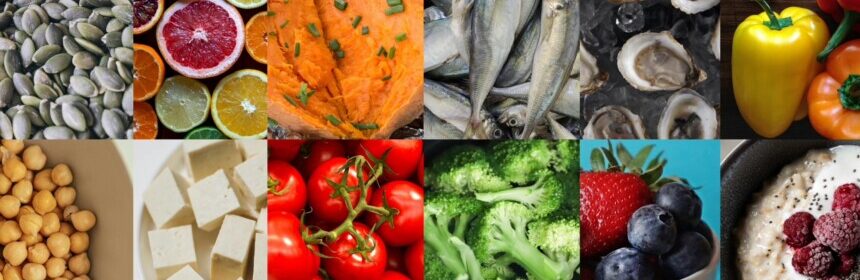
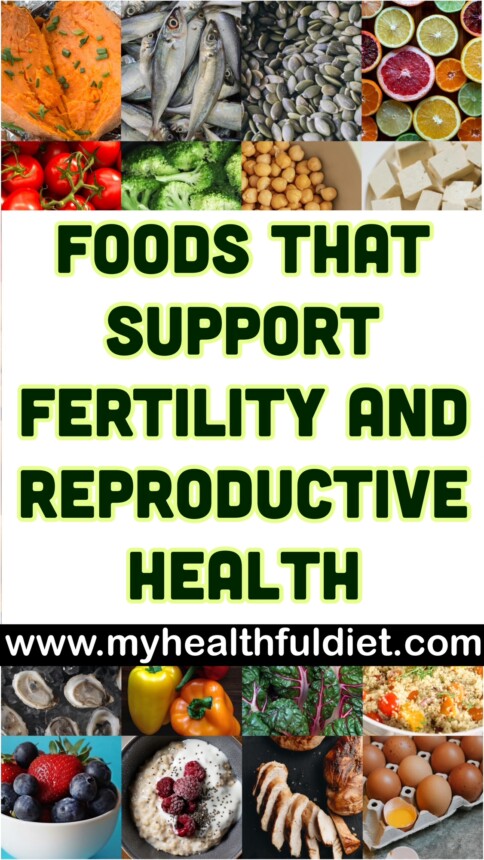
One of the biggest building blocks here is good-quality protein. Your body uses protein’s amino acids to make hormones and repair cells—including the ones that create healthy eggs and sperm. Plant proteins like lentils, chickpeas, black beans, and tofu do double duty because they also bring fiber, which helps manage blood sugar and estrogen. If you eat animal products, things like pasture-raised eggs, wild-caught fish, and lean poultry are solid choices—they deliver key nutrients like choline, zinc, and omega-3s, all of which give your reproductive system a boost.
Let’s talk about fat for a second. People have spent years worrying about fat, but the right kinds are actually crucial for fertility. Hormones need cholesterol and fatty acids to form, so cutting out too much fat can throw your hormones off. Monounsaturated fats—think avocados, olive oil, nuts, and seeds—help with inflammation and keep your insulin working like it should. Omega-3s, which you get from fatty fish like salmon and sardines, are especially powerful. They help blood flow to your reproductive organs, support healthy eggs, and even improve sperm movement. When you make healthy fats a regular part of your meals, you’re giving your body a much better shot at balanced hormones.
Carbs matter, but it’s really about what kind you eat. Refined carbs and sugary snacks can send your insulin levels through the roof, mess with ovulation, and ramp up inflammation. This hits especially hard for people with PCOS, since insulin resistance is a big deal there. Sticking to complex carbs—think quinoa, brown rice, oats, sweet potatoes—keeps your blood sugar steady. Foods high in fiber do more than help with metabolism; they also help your body clear out extra hormones, especially estrogen.
Don’t overlook leafy greens. Spinach, kale, Swiss chard, arugula—they’re loaded with folate, a B vitamin your body needs to make new cells and DNA. Getting enough folate is crucial even before you try to get pregnant. It lowers the risk of neural tube defects and helps the early stages of embryo development. Sure, folic acid supplements are common, but real food sources come with bonus phytonutrients and antioxidants that give your reproductive health an extra boost.
Iron’s another big one, especially for women. Low iron can mess with ovulation and bump up your risk of infertility. Lentils, spinach, pumpkin seeds, and fortified whole grains all bring non-heme iron to the table. Pair these with something rich in vitamin C—like citrus or bell peppers—and your body absorbs the iron better. If you eat meat, a little grass-fed red meat can deliver iron and zinc in a form your body grabs onto easily, both of which matter for reproductive health.
Then there’s zinc. It’s key for fertility in both men and women. For women, zinc helps eggs develop and supports ovulation. For men, it boosts testosterone and keeps sperm in top shape. Oysters pack the most zinc, but pumpkin seeds, sesame seeds, chickpeas, and lean meats are great too. Even a small drop in zinc can affect fertility, so keeping up your intake really counts.
Antioxidants play a big role in reproductive health. When your body faces oxidative stress, it can actually harm eggs and sperm, making them less effective. The good news? Brightly colored fruits and veggies—think berries, citrus, carrots, tomatoes, broccoli, Brussels sprouts—are loaded with antioxidants like vitamin C, vitamin E, beta-carotene, and polyphenols. These nutrients help protect your reproductive cells and keep inflammation in check. Plus, they support the body’s natural detox systems, which keeps hormones balanced.
Dairy comes up a lot in fertility conversations. Some research points to full-fat dairy as being better for ovulatory health than low-fat options. Full-fat yogurt and milk aren’t just creamy—they give you fat-soluble vitamins and can help balance hormones. But not all dairy is equal. Go for hormone-free, minimally processed options if you can. And if you’re lactose intolerant or just want something different, unsweetened, fortified plant milks work, too. They give you calcium and vitamin D, both key for reproductive health.
Now, vitamin D really stands out. It acts almost like a hormone and affects things like ovarian function, menstrual cycles, and even sperm development. You’ll find vitamin D in fatty fish, egg yolks, and some fortified foods, but sunlight is still the main source. A lot of people don’t get enough, so it’s smart to get your levels checked and supplement if needed—just make sure you talk to your doctor first.
Diet matters for men, too. Sperm take about 70 to 90 days to develop, so what you eat now shows up in your sperm a few months later. Foods packed with antioxidants, healthy fats, and nutrients like selenium and zinc help boost sperm count and movement. Take Brazil nuts—they’re loaded with selenium, which keeps sperm strong and healthy. At the same time, cutting back on processed meats, too much alcohol, and trans fats makes a difference, since these things drag down semen quality.
Most people forget about hydration, but it’s actually a big deal. Drinking enough water helps women make cervical fluid and helps men with semen volume. Even just a little dehydration can drain your energy and mess with how your body works—including your reproductive system.
It’s not just the individual foods, either. The overall pattern of how you eat really shapes fertility. Study after study points to the Mediterranean diet as a winner here. Think lots of veggies, fruits, whole grains, beans, fish, olive oil, and nuts, with a little dairy—not much processed stuff or sugar. Eating this way supports your metabolism, cuts down inflammation, and packs in all sorts of nutrients your body needs for fertility.
Weight matters, too. Being way under or overweight can throw off hormone balance and ovulation. Instead of crash diets, focus on steady, nutritious meals that keep your blood sugar stable and give your body enough fuel. When you cut calories for too long or overdo it with exercise, your body gets the message that now’s not the time for making babies—so cycles can get irregular or even stop altogether.
Don’t just focus on what to eat—think about what to cut back on, too. Trans fats sneak into fried foods and those packaged baked treats, and they ramp up inflammation and mess with your body’s insulin response. Too much caffeine isn’t great for fertility either. One cup of coffee a day is fine for most people, but more than that can cause problems for some. And alcohol? Best to keep it to a minimum, especially if you’re trying to get pregnant. It can throw your hormones out of balance and lower sperm quality.
Stress and nutrition are deeply connected. High stress levels can alter appetite, digestion, and nutrient absorption. Chronic stress elevates cortisol, which may disrupt reproductive hormones. Sure, you can’t eat your way out of stress, but steadying your blood sugar with balanced meals keeps your hormones from swinging even more.
The truth is, fertility nutrition isn’t about being perfect.. It’s about consistency and balance. Small, sustainable shifts—adding an extra serving of vegetables, replacing refined grains with whole grains, incorporating healthy fats—can collectively create meaningful changes. Fertility isn’t just one thing; it’s a whole bunch of systems working together, and the right food gives each one what it needs.
If you’re trying for a baby, it helps to see nutrition as a team effort. Both partners matter when it comes to fertility, and both get the perks of better hormonal and metabolic health. Building better eating habits together doesn’t just boost your chances of conceiving—it sets the stage for a healthier pregnancy and family life down the road.
Food does a lot. It talks to your hormones, affects inflammation, and gives your body what it needs to create life. Medical help has its place, but dialing in your nutrition is one of the best, most empowering things you can do to support your fertility and reproductive health.