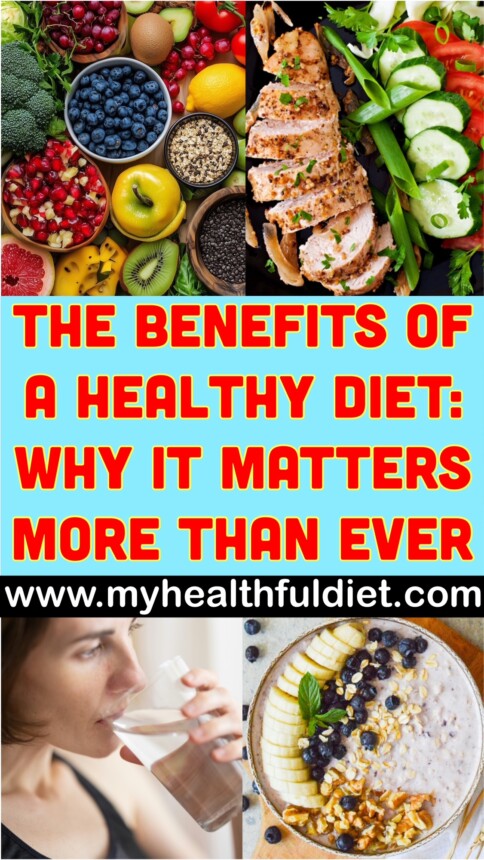
The Benefits of a Healthy Diet: Why it Matters More than Ever

 Life moves so fast these days that meals often turn into an afterthought. Convenience tends to win over quality, and busy schedules make it easy to rely on quick, processed options. But honestly, eating well matters now more than ever. With more people facing chronic illnesses and mental health struggles, it’s pretty clear that what you put on your plate shapes how you feel and live.
Eating healthy isn’t about tough rules or missing out. It’s really about giving your body what it needs so you can feel your best. When approached with balance and awareness, healthy eating becomes less of a chore and more of a long-term investment in your quality of life.
When you eat well, you notice it pretty quickly—your energy picks up. What you put on your plate really matters. If you go heavy on processed foods and sugary stuff, you get those ups and downs—sudden bursts of energy, then crashes that leave you feeling wiped out and distracted. But when you stick to whole foods—think veggies, fruit, whole grains, lean proteins—you get steady energy all day long. It’s easier to focus, stay productive, and you don’t get that sluggish, tired feeling from junk food.
Beyond energy, a balanced diet plays a critical role in maintaining a healthy weight. Sure, people talk about weight like it’s just about looks, but it goes way deeper than that—your health depends on it. Carrying excess weight increases the risk of conditions such as heart disease, type 2 diabetes, and joint problems. And if you’re not getting enough nutrients, your immune system weakens, and you lose muscle. A balanced diet keeps your appetite in check, supports your metabolism, and lets you maintain a healthy weight without any crazy restrictions.

Good nutrition does a lot more than just keep you full—it’s huge for your long-term health. Chronic diseases top the list of what kills people around the world, and most of them strongly linked to what we eat every day. If your diet’s loaded with saturated fat, sugar, or salt, you’re setting yourself up for high blood pressure, high cholesterol, and inflammation. Over time, all that stuff turns into real health problems. But when you pick nutrient-packed foods, you cut down those risks, keep your heart strong, control your blood sugar, and help your body run smoothly.
There’s another side to this that doesn’t get talked about enough: your mental health. Your brain needs steady fuel, and what you eat actually shapes your mood, memory, and how sharp you feel. Diets rich in vitamins, minerals, and healthy fats can boost your brainpower and help reduce the risk of anxiety and depression. On the flip side, lots of processed food usually mean worse mental health. While food is not a replacement for professional care, it is a powerful tool that can support emotional well-being and mental resilience.
Eating well does a lot more than just keep your weight in check—it gives your immune system the tools it needs to fight off sickness. Your body counts on vitamins like C and D, and minerals like zinc, to stay strong against germs. If you’re missing out on these nutrients, you get sick more easily and bouncing back takes longer. But when you build your meals around a variety of nutrient-rich foods, you’re really giving your immune system a fighting chance.
There’s another perk: the way you look can change too. That’s not just about shallow beauty. Healthy hair, glowing skin, strong nails—they all show how well you’re caring for yourself on the inside. Foods loaded with antioxidants, good fats, and lots of water help your body repair and renew, so your outward appearance can actually reflect your inner health. While no diet can guarantee perfection, proper nutrition helps your body repair and maintain itself, which naturally shows on the outside.
Let’s be honest: life is stressful. The right foods can help you handle it. Some nutrients keep your hormones in balance and make sure your nervous system isn’t always in overdrive. Think about magnesium for relaxation, or complex carbs that keep your mood on a steady track. When you’re eating well, you just deal better with whatever life throws your way. That creates a good cycle—you eat well, you handle stress better, and that makes staying healthy a little easier.
Let’s talk about how what you eat affects your sleep. If you’re grabbing heavy or sugary snacks late at night, you’re basically asking for lousy sleep. But sticking to balanced meals and paying attention to what and when you eat really helps your body keep its internal clock running smoothly. Nutrients such as tryptophan, found in certain protein-rich foods, contribute to the production of sleep-regulating hormones. Better sleep supports nearly every aspect of health, including mood, memory, and physical recovery.
People are waking up to the bigger picture too. Healthy eating isn’t just about feeling good; it’s about taking care of the planet. Many nutrient-rich foods, particularly plant-based options, tend to have a lower environmental impact compared to heavily processed or resource-intensive products. When you choose whole, less processed ingredients, you’re helping your own health and also doing a favor for the earth. Suddenly, what you put on your plate has a lot more meaning.
Still, eating well isn’t always easy. There’s so much conflicting advice out there, it can feel like you’re drowning in it. The trick is to aim for steady progress—not perfection. Those small changes? They add up. Swap out sugary drinks for water, try to eat more vegetables, choose whole grains instead of refined ones. These tiny tweaks make a huge difference over time.
Everyone’s idea of a healthy diet is different. Factors such as age, activity level, cultural background, and personal preferences all play a role in shaping dietary needs. Chasing strict food trends rarely helps in the long run. It’s smarter to figure out what fits your life and stick with it. Flexibility and balance really matter if you want lasting results.
Knowing a bit about nutrition gives you power. When you understand the basics, you make better choices. Reading food labels, being aware of portion sizes, and recognizing marketing tactics can help you navigate the modern food landscape more effectively. All this knowledge helps you focus on foods that actually nourish you, not just ones that look good or sound trendy.
Food isn’t just fuel; it’s tied to culture, family, and memories. Sharing meals is about tradition and connection. Sticking to a healthy diet doesn’t mean you have to cut out these moments. The trick is to be mindful—have the foods you love, just not all the time or in huge amounts. That way, you stay satisfied and don’t feel deprived, which keeps you from falling into unhealthy habits.
A healthy diet isn’t just about looking good or hitting quick goals—it matters way more than that. It’s the foundation for feeling good and staying sharp, and honestly, it influences just about everything. You get more energy, clearer thinking, and lower risk of getting sick. Plus, your mood often improves right away and keeps getting better over time.
Life keeps getting busier and more complicated, so making smart choices about food is more important than ever. It’s not always easy, sure. But sticking to healthy eating really does make life better. When you put effort into what you eat, you’re taking care of yourself now and setting yourself up for a healthier future.