How to Lose Water Weight Fast


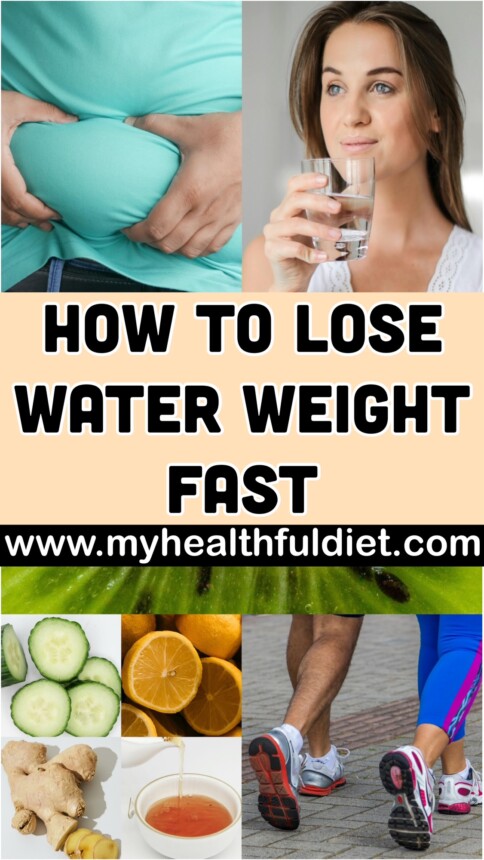 Let’s be honest: a lot of us want to drop water weight fast. Sometimes it’s about looking sharper for a big event, sometimes it’s just wanting to feel a little less bloated and heavy. While water weight isn’t the same as losing fat, shedding that extra fluid can actually change the way your body looks and feels, almost overnight. The upside? You don’t need extreme measures. A few smart adjustments can make a real difference and help you ditch that puffy feeling safely.
So, what is water weight exactly? It’s just excess fluid your body holds onto, stuck in your tissues. This happens for all sorts of reasons—maybe you had too much salty food, your hormones are switching things up, you didn’t get enough water in, your diet is off track, or you haven’t moved much lately. Unlike fat, which takes patience to lose, water weight can swing up or down pretty fast. That means, with the right steps, you can often see results much quicker than you’d expect.
If you want to drop water weight, start by watching how much salt you eat. When you consume too much salt, your body holds onto water to maintain the right balance of fluids. This often leads to bloating, especially around the abdomen, face, and extremities. The fastest way to cut back on salt? Skip the processed foods. Packaged snacks, takeout, canned stuff—these are all sneaky sources of hidden sodium. Switching to fresh, whole foods helps your body naturally release excess water.
Here’s something that surprises a lot of people: drinking more water actually helps you lose water weight. It sounds backwards, but if you’re not getting enough water, your body hangs onto every drop it can. When you’re well-hydrated, your body relaxes and doesn’t need to store as much. Sip steadily during the day instead of gulping huge amounts at once. You’ll probably notice the difference—less bloating, lighter feeling—in just a day or two.





Carbs have a big impact on water retention. When you eat carbs, your body stores them as glycogen, and each gram of glycogen soaks up a few grams of water. That’s why when people cut back on carbs, they usually see the scale drop fast—most of it is just water weight leaving. If you want to get rid of some extra water quickly, try lowering your carb intake for a bit, especially when it comes to things like white bread, pastries, and other sugary snacks. Swapping those for more vegetables, lean proteins, and healthy fats makes it even easier for your body to shed that water.
Getting active helps, too. Simply moving around boosts your circulation and helps your body let go of fluids it’s holding onto. Working up a sweat during a workout can also prompt your body to drop water weight, at least for a while. Even just getting out for a walk matters, especially if you’ve been sitting around a lot. Activity keeps fluid from building up in your legs and feet, which often happens if you spend a long time sitting or standing still.
Eating enough foods rich in potassium also keeps fluid levels steady. Potassium keeps sodium in check and helps your body manage water properly. When you get enough of it, your body can flush out extra sodium, making it harder to hold onto too much water. Bananas, spinach, avocados, and sweet potatoes are all solid choices that make it easier to keep fluid balance in check.
Hormones actually have a bigger impact on water retention than most people think—especially for women. Changes during the menstrual cycle often bring on bloating and make you hold extra water, but it usually doesn’t last long. Staying hydrated, eating well, and moving around regularly can really help keep things in check.
Stress doesn’t help, either. It messes with your hormones in a way that can make your body hold on to more fluid. Simple things like getting enough sleep, finding ways to relax, or even a quick walk can make a real difference.
Sleep, in particular, gets ignored a lot, but it plays a key role in how your body manages fluids. If you’re not sleeping well, hormones that control hydration and salt balance go off track, and your body holds on to water. But just a night or two of solid sleep can set things straight and help ease the bloating.
Some foods and drinks—like cucumber, lemon, ginger, and green tea—can help your body flush out extra water. They won’t magically fix everything, but if you include them in a balanced routine, you’ll probably notice less bloating and your body will handle fluids a bit better.
If you’re hoping to drop water weight in a hurry, don’t get caught up in promises of fast results. Yes, you might lose a few pounds quickly, but that kind of weight doesn’t last. As soon as your regular routine kicks back in, the water usually comes right back. It’s smarter to focus on habits you can actually maintain, rather than chasing temporary fixes.
Avoid the extreme stuff—don’t dehydrate yourself, sweat it all out, or load up on diuretics or “detox” products. That approach can throw off your electrolytes and make you feel lightheaded or plain exhausted. Bottom line: it’s better to support your body and work with what it needs, instead of fighting against it.
Most of the time, water retention just means your body’s reacting to some short-term imbalance. Adjust a few things—cut back on salt, drink some extra water, eat a little better, get decent sleep—and your body usually sorts itself out. You end up not just lighter on the scale, but less puffy and way more comfortable.
If you have an event coming up and want to look leaner fast, these tricks work even better together. Eat clean, keep drinking water, skip the salty snacks and refined carbs, and get moving for a few days—you’ll probably notice a difference. Maybe your clothes fit better, your face looks sharper, or you just feel more energetic.
Really, dropping water weight isn’t about doing something extreme. It’s just about some easy, smart changes that let your body get back in balance. When you get how water retention works and stick to solid habits, you’ll see results that actually feel natural—and you can keep them up, too.